Sensors Used in Adaptive Cruise Control
Adaptive cruise control extends conventional speed-holding cruise by automatically adjusting vehicle speed to maintain a set gap from traffic ahead. The system relies on forward-looking sensors and supporting inputs rather than a single device. Understanding which sensors are used in adaptive cruise control helps owners interpret behavior, diagnose warning messages, and recognize when cleaning, alignment, or service may be required.
Essential answer
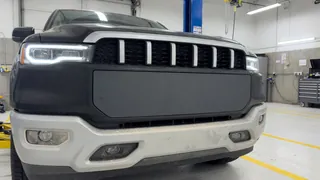
Adaptive cruise control typically combines a primary forward-ranging sensor with inputs from vehicle dynamics and braking systems. Most modern systems use a radar unit mounted behind the grille or lower bumper opening, often paired with a windshield camera. The radar measures distance and relative speed to objects ahead, while the camera helps classify vehicles and detect lane markings. Together they allow the control module to compute whether acceleration, coasting, or braking is needed to maintain the selected following interval.
Some systems use lidar or stereo cameras instead of radar, though the core operational principle remains similar. Sensor position matters because dirt, snow, bumper strikes, or windshield obstructions can degrade detection. Calibration preserves alignment between the radar and camera so the coordinates from each source agree. A fault code only indicates that a sensor signal is missing, implausible, or out of range; it does not prove which component failed. Operating conditions such as heavy rain, fog, tunnel exits, or low sun can challenge certain sensor types and temporarily reduce system availability. Vehicle specification determines which sensor combination is installed, so replacement and service requirements vary by manufacturer and trim level.