Adaptive Cruise Control Sensors: Location, Blockage and Calibration
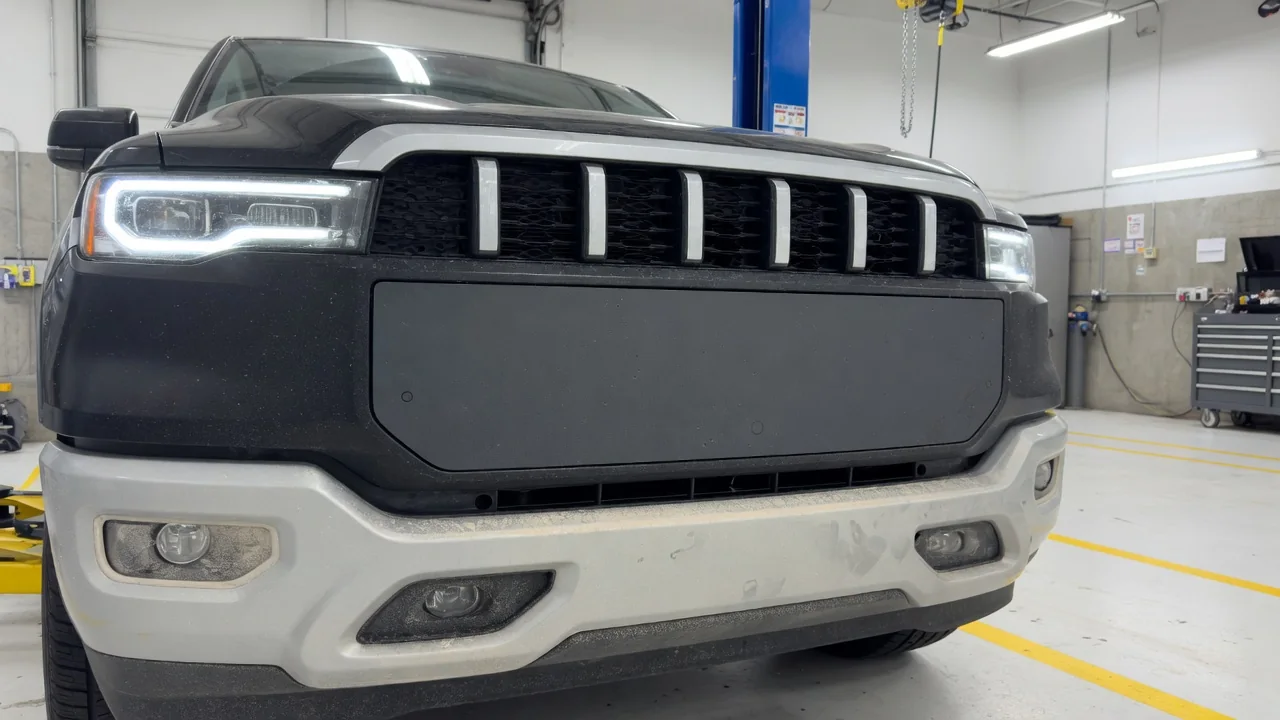
An adaptive cruise control sensor lets your vehicle hold a chosen following distance by watching traffic ahead, but it only works well when it can see clearly and is aimed correctly. This guide explains how adaptive cruise control radar and camera systems work, where the sensor is usually located, what a blocked warning means, and when calibration or professional testing is needed.
How Adaptive Cruise Control Sensors Measure Traffic Ahead
Most systems rely on a forward radar sensor that sends out radio waves and times the reflections coming back from vehicles ahead. From those echoes, the adaptive cruise control radar calculates both distance and closing speed, meaning how quickly the gap is shrinking or growing. The control module compares that information with the following distance you selected, then eases off the throttle, applies light braking or accelerates back to your set speed to keep the gap steady.
Many vehicles pair the radar with a front-facing windshield camera that helps recognize lanes and vehicle shapes, while others use different combinations, so setups vary by manufacturer, model and trim. A warning may concern the radar unit, the camera or the module that interprets both, which is why the message alone doesn't pinpoint a part. Heavy rain, snow, sharp curves and stationary objects can challenge adaptive cruise control sensors, and the owner's manual describes which ones your vehicle uses.
Where the Adaptive Cruise Control Sensor Is Usually Located
If you're wondering where the adaptive cruise control sensor is located, the usual answer is the front of the vehicle. An adaptive cruise control radar sensor commonly sits behind the front grille emblem, a smooth flat panel in the grille, or an opening in the lower bumper fascia. Camera-based units typically mount near the top of the windshield, behind the rearview mirror. The radar often hides behind a plastic sensor cover made from material that radio signals pass through with little distortion.
The safest way to confirm your sensor location is the owner's manual, and some vehicles also show a sensor diagram in the driver assistance settings menu. Avoid removing bumper covers or trim pieces just to find it, because the radar bracket is aimed precisely and even small disturbances can upset radar alignment. Keep in mind that location can change between model years and trim levels of the same nameplate, so a photo of a similar vehicle may not match yours.
Finding the ACC Sensor on Ford Trucks and SUVs
Ford adaptive cruise control sensor location questions come up often for trucks and SUVs. On models such as the F-150, the F-250 Super Duty and the Explorer, the forward sensor is generally found in the front grille or lower fascia area, but the exact spot depends on model year, trim and option packages. Rather than trusting one generic diagram for an F-150 or Explorer, check your owner's manual or ask a Ford dealer about your specific vehicle.
Trucks attract front-end accessories that can interfere with the sensor. Aftermarket grilles, bull bars, light bars, plow mounts and front license plates can cover or reflect signals near the sensor area, triggering warnings or reduced performance. A simple safe check is to look for a visible flat panel or emblem on the front and keep it clean and unobstructed. Don't pry at the panel or try to adjust anything; on an F-250, aim matters as much as cleanliness.
Audi Adaptive Cruise Control Sensor Basics
An Audi adaptive cruise control sensor works on the same basic idea, using a forward radar sensor that is sometimes paired with a camera. The setup differs by model, generation and option package, so one Audi may carry its radar in the lower bumper while another uses a different position or combination. Your owner's manual is the best reference, and an Audi dealer can identify the mounting point using your vehicle identification details.
Front-end damage, bumper repairs and even paint work near the sensor area can affect how the system performs. Extra paint thickness or certain finishes over a radar zone may weaken signals, and a bumper that has been reshaped or refitted can shift the sensor's aim. When a warning about the sensor appears, treat it as a clue that needs proper diagnosis rather than proof that the radar, camera or control module has failed.
What an 'ACC Sensor Blocked' Warning Means
An adaptive cruise control sensor blocked message usually means the system can't see clearly. Dirt, snow, ice, bugs, heavy rain and road spray over the sensor cover or windshield camera area are the most common causes. When the vehicle is parked, gently clean the panel or emblem and the glass in front of the camera with a soft cloth, then drive normally to see whether the warning clears once the system rechecks its view.
Outside interference is another frequent cause. Plate brackets, stickers, tinted films over camera zones and aftermarket accessories can all block or distort the view. If the warning stays on in clear, dry conditions, or appears after a minor impact such as a parking bump, the sensor may be damaged or out of alignment and needs professional diagnosis. Remember that adaptive cruise can switch off without warning in these conditions, so stay ready to brake and steer.
When Adaptive Cruise Control Needs Calibration
Adaptive cruise control calibration is often needed after windshield replacement on camera-equipped vehicles, front bumper or grille repair, sensor replacement, front-end collisions and some suspension or wheel alignment work. Static calibration takes place in a controlled workspace, with the vehicle positioned precisely in front of special targets. Dynamic calibration is done on the road while a scan tool monitors the system as it learns its surroundings. Some vehicles require one method, some the other, and some both.
If you're asking how to calibrate adaptive cruise control yourself, the honest answer is that it isn't a DIY job. ADAS calibration needs specialized targets, precise measurements, a level floor and manufacturer software, and a poorly aimed radar can cause late braking, phantom braking or missed vehicles. Requirements depend on the manufacturer and model, so follow your shop's or dealer's guidance, and ask for a printed report or other proof that calibration was completed after the related repair.
Signs a Sensor Problem Needs Professional Testing
Some symptoms deserve prompt attention: repeated unavailable or fault messages, unexpected braking with nothing ahead, failure to detect vehicles in front, collision warning alerts that seem wrong, or the system turning off in clear weather. Warning lights and stored diagnostic codes should be read with suitable scan tool equipment. Code meanings can vary by manufacturer, so the definition for your specific vehicle must be checked before anyone concludes which component is at fault.
A technician typically starts by inspecting sensor mounting and the surrounding bumper or grille for damage, then checks connector condition and wiring, software status and whether calibration is current. They may compare live data with what the sensor should be reporting and confirm its aim. Until a qualified technician has checked the system, don't rely on adaptive cruise or related driver assistance features, and drive as though they aren't there.