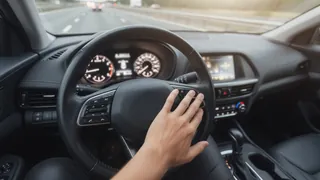
Using cruise control in city driving
Using cruise control in the city is a different task than engaging it on a steady highway. Conventional systems hold a set speed, but dense traffic, frequent signals, crosswalks, and changing right-of-way patterns make fixed-speed operation less useful and sometimes less safe. Some vehicles offer adaptive cruise control or low-speed assistance that can respond to surrounding traffic, yet the driver still interprets road markings, trams, bicycles, and reduced visibility. The practical value depends on the specific corridor, traffic flow, and how the system handles braking without asking the driver to resume manual control.
Essential answer
Conventional cruise control is generally a poor fit for stop-and-go city driving. A system set to 25 or 30 mph will continue toward slower traffic, a red light, or a turning vehicle until the driver cancels it or applies the brake. City streets change speed limits frequently, include unprotected turns and right-of-way gaps, and demand constant adjustment for road conditions and following distance. In that environment, fixed-speed operation can create abrupt throttle application when a gap opens or leave the car carrying too much speed into a queue.
Adaptive or traffic-aware systems are more relevant because they can reduce speed when a lead vehicle slows, but they remain assistance features, not an invitation to ignore road markings or pedestrian activity. If the city route has long stretches between controlled intersections with steady flow and good visibility, cruise may reduce speed drift. Even then, the driver should keep a foot near the brake, anticipate cross traffic, and disengage the system whenever lane position, turning movements, or limited sightlines require active decision-making.