Adaptive cruise control sensors explained
Adaptive cruise control sensors are the eyes of a speed-keeping system that automatically adjusts your pace to match slower traffic ahead. These forward-looking devices continuously measure distance and relative speed, allowing the vehicle to ease off the throttle or apply brakes without driver input. Understanding sensor position, the effect of operating conditions, and the meaning of related fault codes helps owners recognize normal behavior, system limits, and when calibration or service may genuinely be needed.
Essential answer
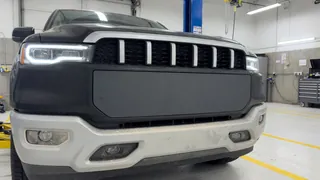
The essential answer is that adaptive cruise control uses forward-facing sensors to monitor the road ahead, not just a set speed. Most systems rely on radar mounted behind a smooth fascia panel or in the grille, sometimes paired with a windshield camera. The sensor transmits signals and reads reflections to calculate how far away a vehicle is and how quickly that gap is changing. This data lets the control module hold a selected following interval instead of maintaining a fixed velocity into slower-moving traffic.
The practical scope varies with sensor position and vehicle specification, so one system may react earlier or smoother than another. A radar unit behind a bumper cover can often see through rain and light fog better than a camera, but a camera adds lane and object recognition. When a fault code appears, it reflects a communication or plausibility problem rather than an automatic sensor failure. Confirming the exact meaning requires checking the specific vehicle application before replacing parts or requesting calibration.