Adaptive Cruise Control: How It Works, How to Use It, and Its Limits
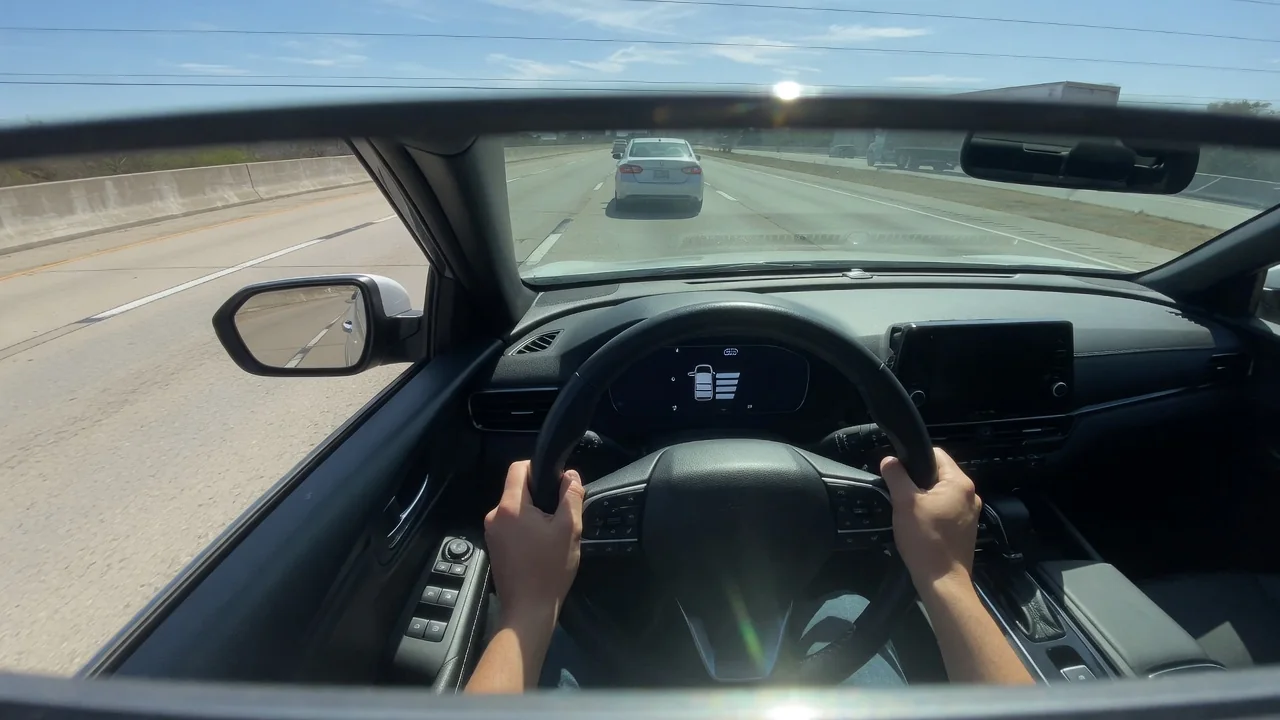
Adaptive cruise control has moved from luxury option to a familiar feature in many cars, SUVs and trucks, yet plenty of drivers are unsure what it actually does. This guide explains what adaptive cruise control means, how it senses traffic and uses the brakes, how to set and turn it off, how stop-and-go versions behave, which vehicles offer it, and what to know about retrofits and faults.
What Adaptive Cruise Control Means and What It Is Designed to Do
Adaptive cruise control, often shortened to ACC, is a driver-assistance system that holds a set speed like ordinary cruise control but also watches the road ahead. When it detects a slower lead vehicle, it eases off and keeps a chosen following distance, then returns to the set speed once the lane clears. That is the core difference from conventional cruise control, which only holds speed and leaves the driver to brake and reset.
ACC is designed to reduce workload on highways and in steady traffic, not to drive the car. It is not self-driving, and it is not the same as GM's Super Cruise, which adds hands-free steering assistance on mapped roads. Automakers use different names, such as Mercedes-Benz Distronic or the adaptive cruise within Subaru EyeSight, so check the owner's manual. The technology began on premium models and spread to mainstream vehicles as sensors became cheaper.
How the System Senses Traffic and Controls Speed and Brakes
Most systems rely on a forward radar sensor behind the grille or bumper, a front-facing camera near the rearview mirror, or both; exact hardware varies by vehicle. The sensors measure distance and closing speed to the vehicle ahead, and a control module then reduces throttle or applies braking to restore the gap. Smoother speed changes may help fuel economy in steady traffic, though frequent acceleration to close gaps can offset any savings.
So does adaptive cruise control use brakes? Many systems can brake automatically, but the force available is deliberately limited and differs between vehicles, so it cannot be counted on for hard stops. Heavy rain, snow, dirt or ice on sensors, sharp curves, stationary objects and vehicles cutting in can delay or prevent detection. Warnings may come late or not at all, which is why the driver must stay ready to brake or steer at any moment.
Reading the Adaptive Cruise Control Buttons, Switches and Dash Icons
Adaptive cruise control buttons usually sit on the steering wheel spokes, though some vehicles use a stalk behind the wheel. Typical controls include a main on/off switch, set, resume and cancel functions, speed up and down, and a following-distance button often marked with a car and stacked bars. Layouts differ between manufacturers, and one switch may do two jobs depending on whether you press or hold it, so confirm each function in the manual.
The adaptive cruise control icon commonly shows a car with distance bars or a speedometer symbol with a vehicle ahead. Many displays distinguish standby, when the system is on but not controlling speed, from active operation, and add a symbol once a lead vehicle is detected. Colors and meanings vary by brand, so a gray, green or amber icon may signal different states. Check any warning or unavailable message against the manual rather than guessing.
How to Set, Adjust and Turn Off Adaptive Cruise Control
To turn adaptive cruise control on, press the main switch so the system enters standby, then accelerate to the desired speed on a suitable road. Press set, and the system holds that speed until it detects traffic ahead. Next, choose a following distance with the gap button. To adjust while driving, tap the speed up or down controls, and select a longer gap in rain, darkness or heavy traffic for more reaction time.
Adaptive cruise control can be turned off several ways. Pressing the brake pedal or cancel button usually returns it to standby while keeping the set speed in memory, so resume restores that speed. Pressing the main switch shuts the system off entirely. Practice in light traffic first, and learn when your vehicle may disengage by itself, such as when sensors are blocked or speed leaves its operating range, handing control back with a chime or message.
How Stop-and-Go Adaptive Cruise Control Works in Traffic
Stop-and-go adaptive cruise control, sometimes called low speed follow, can slow the car to a complete stop behind traffic and then pull away again. Systems without it typically cancel below a minimum speed, leaving the driver to take over. After a stop, many vehicles resume automatically only if the pause is brief; longer stops often need a resume button press or a tap of the accelerator, depending on the vehicle.
Crawling traffic is where the limits matter most. Pedestrians, cyclists, stalled vehicles and cars that change lanes abruptly may be detected late or missed, especially when a stopped vehicle appears after the car ahead moves aside. Keep your foot near the brake and eyes on the road. Do not assume stop-and-go capability because a vehicle has ACC or traffic jam assist; confirm it in the manual or trim specification.
Which Cars and SUVs Have Adaptive Cruise Control
Adaptive cruise control now appears in compact cars, SUVs, pickup trucks and many heavy trucks, and some motorcycles offer radar-based cruise too. It is standard on some trims and part of optional driver-assistance packages on others, so availability depends on model and year. Shoppers comparing a Mazda3, Ford Maverick, Toyota 4Runner or Chevrolet Equinox EV should check each trim individually, since equipment content changes frequently.
To verify a specific vehicle, check the window sticker or build sheet, read the owner's manual, look for a distance button among the steering wheel controls, and browse the settings menu for driver-assistance options. Used-car shoppers, including anyone hunting for the cheapest car with the feature, should confirm it works during a test drive. Listings often copy generic equipment data, so an advertised feature may not actually be fitted.
Adding Aftermarket ACC and Handling Adaptive Cruise Control Faults
Many owners ask whether adaptive cruise control can be added later. Factory-style ACC depends on a forward sensor, mounting points, wiring, a compatible module, electronic brake and throttle control, and software the vehicle must support, so it is often difficult or impractical. Aftermarket kits and retrofits promising to add it to any car raise warranty, insurance and safety concerns, so ask a dealer or qualified specialist whether your exact vehicle supports it.
Common fault symptoms include the system showing unavailable, warning messages, sudden disengagement or unexpected braking. Safe owner checks include keeping the radar area and camera zone clean and free of snow, stickers, plate frames or damage, and reading the manual's message explanations. Sensor alignment, calibration after windshield or bumper work, and fault-code reading require professional equipment, and any code is evidence to interpret using its vehicle-specific meaning, not proof a part failed.