Performance ignition system upgrades
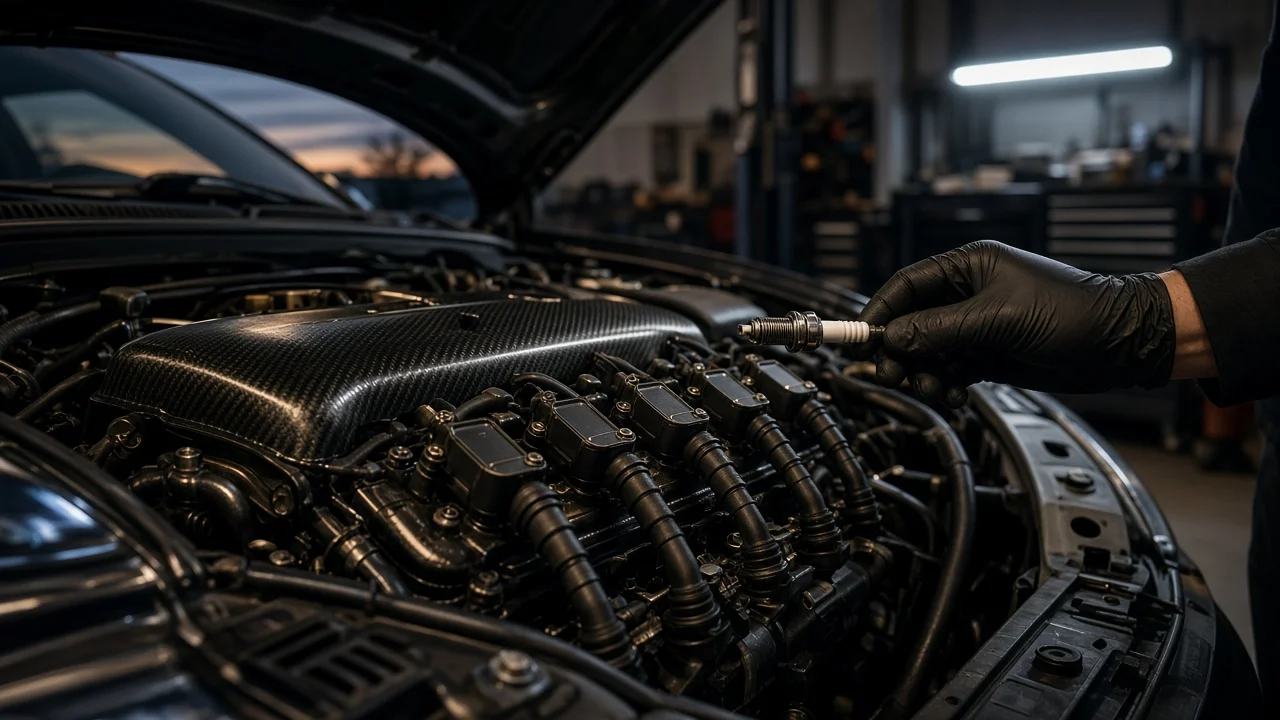
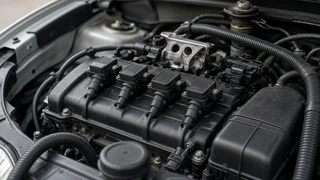
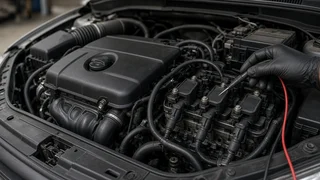
An ignition upgrade can change how confidently an engine starts and pulls through the rev range, but the right choice depends on what the stock system is already doing well. A performance ignition system is most useful when it delivers a hotter, more consistent spark under cylinder pressure, especially after other airflow or fuel changes have raised combustion demand. Before selecting parts, it helps to separate genuine high-energy improvements from cosmetic or low-resistance claims that do not address the actual weak point in the secondary side of the system.
The direct answer
An ignition upgrade is worth considering when misfire, high-rpm spark blowout, or a weak burn limits how the engine uses the fuel already being delivered. The most practical first step is often replacing worn secondary components rather than adding a high-output box. Fresh plugs with the correct heat range, sound wires, and a coil that meets the engine’s voltage demand can restore lost energy more reliably than an unproven add-on. The upgrade should target the condition that is actually limiting combustion quality.
A performance ignition system typically helps by increasing spark energy, extending spark duration, or improving voltage rise time. Those benefits matter most on engines with higher compression, forced induction, or richer mixtures that raise the voltage required to jump the plug gap. However, if the battery state of charge is low or the starter circuit cranks slowly, no ignition change will fix the weak combustion event. The starting system and ignition system must work together for the stronger spark to reach the cylinder at the right moment.