Repair a vehicle ignition system
A no-crank, no-start complaint often points toward the ignition system repair process, but the responsible circuit is broader than a single component. Spark generation may be absent because of low battery state of charge, a failing ignition switch, or a starter circuit that never reaches proper cranking speed. Before replacing parts, the system should be read as a chain of voltage, control, and timing signals. Distinguishing an ignition fault from fuel delivery or cranking speed problems is essential, because each failure changes the repair path and the safety of continued attempts.
Essential answer
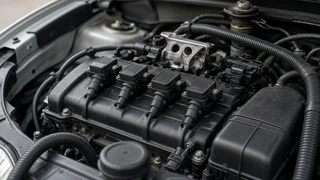
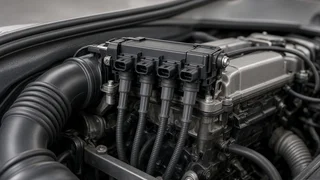
Repairing a vehicle ignition system means restoring the controlled high-voltage discharge that ignites the air-fuel mixture inside each cylinder. The work may involve the ignition switch, control module, coil packs, distributor components where fitted, spark plugs, or the associated wiring and grounds. Ignition system repair is not automatically a plug replacement; many no-start conditions are caused by loss of primary voltage, a failed crank signal, or corrosion that prevents the coil from charging. The exact scope depends on whether the engine spins normally, fires intermittently, or remains completely silent when the key is turned.
Because starting requires both rotation and spark, a repair should begin by separating the starter circuit from the high-voltage side. If the starter motor does not engage or cranking speed is weak, the engine may not generate a usable trigger signal even when ignition parts are healthy. Battery state of charge directly affects coil saturation and injector opening, so a slow crank can imitate an ignition failure. A practical approach is to confirm battery condition and cranking speed first, then test for spark only under conditions that reflect the actual complaint.
Diagnosing a problem
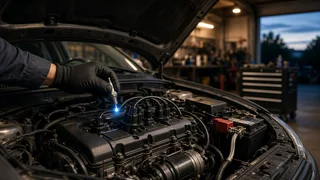
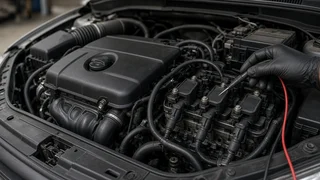
A useful sequence is to listen for the starter relay click, watch for dash behavior, and note whether cranking speed sounds normal. If the engine spins briskly but will not start, checking for spark at a plug boot with an approved tester can separate ignition from fuel delivery. A no-spark result with a good crank signal points toward the coil, module, crankshaft sensor circuit, or an immobilizer interruption. If spark is present but wet plugs or a strong fuel odor appear, the ignition may be firing at the wrong time, or the concern may lie on the fuel side rather than in the high-voltage path.
Diagnostic checks should treat a fault code as an observation, not a confirmed failed component. A misfire or camshaft signal code can be produced by a wiring issue, low system voltage, or a sensor that is receiving a degraded trigger. Manufacturer-dependent circuits may require vehicle-specific confirmation before condemning an ignition module or coil. If there is a heavy fuel smell, backfiring, or visible damage to high-voltage cables, stop extended cranking and seek professional diagnosis rather than continuing to load a potentially damaged secondary circuit.