How a vehicle ignition system works
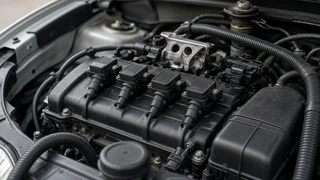
A gasoline engine needs more than fuel and compression to run. It also needs a precisely timed high-voltage spark that ignites the air-fuel mixture inside each cylinder, and that is the core ignition system purpose. Understanding the operation of ignition system components helps you recognize why a reliable spark is essential for starting, smooth acceleration, and efficient combustion. The spark-ignition system coordinates low-voltage switching, high-voltage generation, and distribution so the engine fires in the correct order under changing load and speed conditions.
Essential answer
The purpose of ignition system hardware is to convert battery voltage into a brief, high-energy arc at the spark plug gap. That arc begins combustion inside the cylinder at the correct moment. Without this controlled spark, the compressed fuel mixture cannot ignite, and the engine will not start or produce usable power.
The system includes controls that determine when each cylinder fires. In older vehicles, a distributor and vacuum or centrifugal advance mechanisms performed this task mechanically. Modern vehicles typically use engine-control inputs from crankshaft and camshaft position sensors along with an ignition module or engine computer to set spark timing more precisely.
How it works
Ignition system operation begins when the ignition switch is turned to the run or start position and battery voltage reaches the primary winding of the ignition coil. A switching device interrupts that primary current. The sudden collapse of the magnetic field induces a much higher voltage in the secondary winding, which is then routed to the appropriate spark plug.
The resulting arc must overcome cylinder pressure and the resistance of the plug gap. Once the spark jumps, it ignites the mixture and creates a flame front that spreads across the combustion chamber. The timing of this event is critical because ignition that is too early or too late reduces efficiency and may cause knocking, hesitation, or increased emissions.
Strengths, limitations and suitability
A spark-ignition system is well suited to conventional gasoline-powered vehicles because it offers fast combustion control and relatively simple cold-start behavior. It responds rapidly to throttle changes, which helps deliver predictable acceleration and stable idle speed. The components are generally accessible, and many diagnostic checks can be performed with basic tools.
The main limitations are wear-related. Spark plugs erode, ignition coils can develop internal insulation failures when hot, and wiring or connectors may suffer from heat and vibration. A weakness such as a marginal battery state of charge or slow cranking speed can reduce available spark energy, making a borderline ignition issue more obvious during low-temperature starts.
Procedure
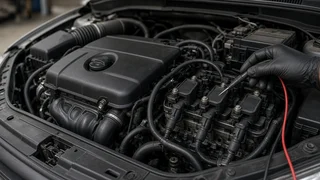
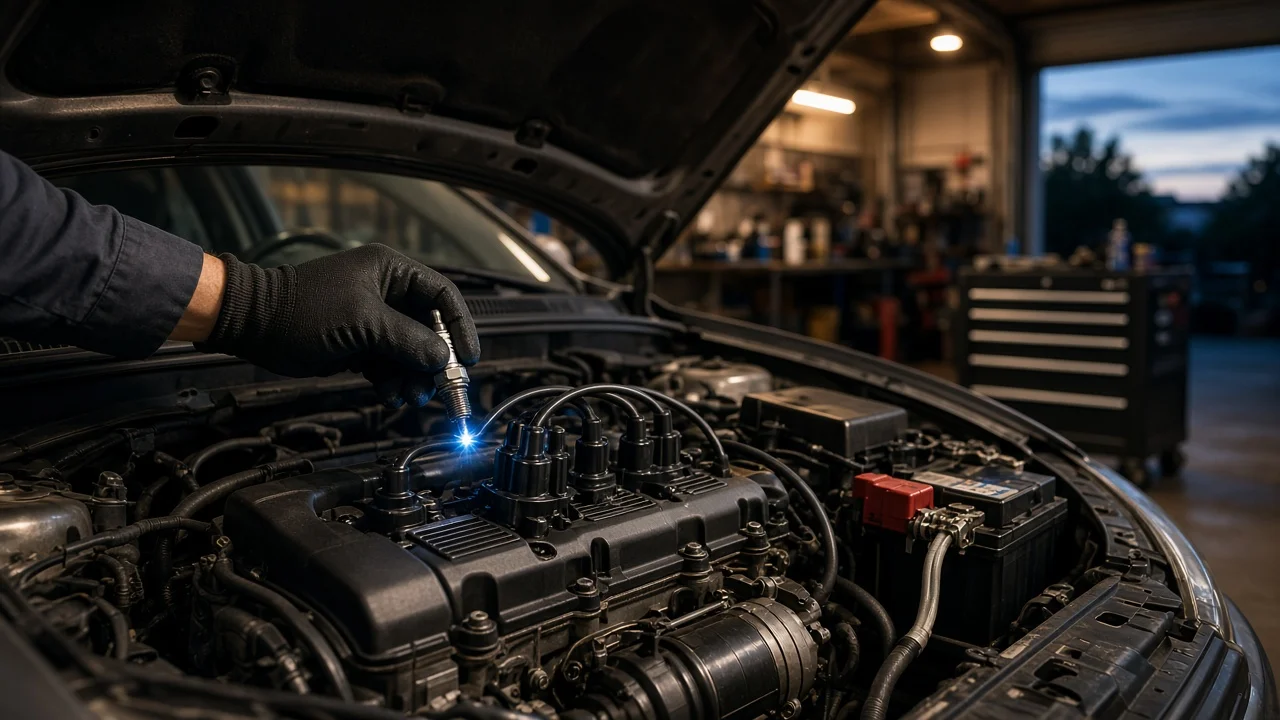
A routine operational check starts with the battery state of charge, clean terminal connections, and a starter circuit that maintains adequate cranking speed. If the engine cranks normally but does not start, verify that fuel delivery is present and then inspect for a strong spark at a plug boot using an appropriate spark tester rather than exposing an open plug near fuel vapor.
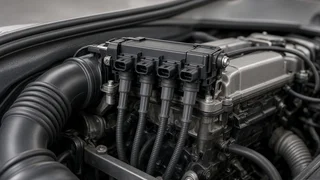
When replacing spark plugs, work on one cylinder at a time, use the recommended gap setting if applicable, and install boots securely. If the vehicle uses an individual coil-on-plug design, avoid pulling connectors by the wires. After the work, start the engine and listen for a steady idle with no misfire or arcing sounds.
Diagnosing a problem
A crank-no-start condition with no spark may point toward the ignition switch, a crankshaft position sensor signal, an ignition fuse or relay, or a failed coil or module. Manufacturer-dependent codes require vehicle-specific confirmation because a fault code is evidence to investigate, not proof that a part has failed. Observing whether the tachometer moves slightly during cranking can help identify a missing rpm signal.
An intermittent misfire that appears when the engine is fully warm often suggests a coil breaking down under heat, while a steady single-cylinder misfire points toward that cylinder’s plug, boot, or coil. If an engine stalls or runs very roughly with a strong fuel odor, avoid extended cranking or driving until the fault is located to reduce the chance of fuel entering the catalytic converter.