How a vehicle ignition system works
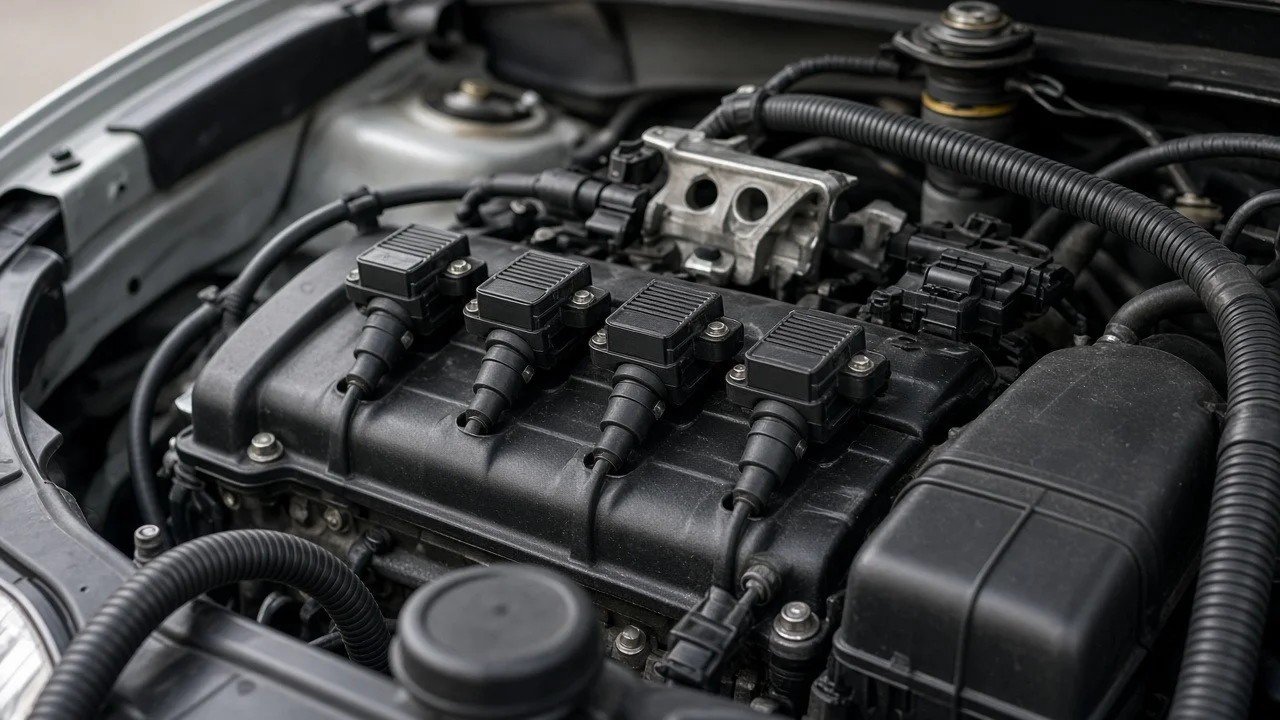
An ignition system perspective starts with one idea: the engine needs a precisely timed high-voltage spark to burn the air-fuel mixture in each cylinder. Many people focus on the battery or starter when an engine will not start, yet the starter circuit only turns the crankshaft. Without reliable spark energy and correct timing, cranking speed and fuel delivery cannot produce combustion. Looking at the whole ignition chain, from the ignition switch and battery state of charge to the coils, trigger sensors, and plugs, helps separate a weak spark from a fuel or mechanical fault and guides useful diagnostic checks.
Essential answer
The essential answer is that a vehicle ignition system converts low-voltage battery power into a short, high-voltage spark at the combustion moment. On older designs, a distributor, ignition points, and a single coil performed that job. Modern systems typically use individual coils or coil packs controlled by an engine computer. The system is not simply the spark plugs; it includes the source of energy, the switching and timing components, and the high-tension leads or coil boots. Its scope also changes with gasoline, hybrid, and diesel engines, because a true spark ignition system is not used in a conventional diesel.
From a starting perspective, the system must work with the starter circuit rather than replace it. A healthy starter spins the engine, while the ignition system fires in sequence as components move. If the battery state of charge is low, the starter may still crank weakly or not at all, and coil output may also suffer. That is why a no-start complaint should not immediately condemn plugs or coils. The practical distinction is that cranking creates mechanical motion, but ignition creates the timed electrical event that releases fuel energy.
How it works
In a gasoline engine, the operating principle is electromagnetic induction combined with controlled interruption of current. Current flows through the primary winding of an ignition coil, building a magnetic field. When the control module or switching device opens the circuit, the field collapses rapidly and induces a much higher voltage in the secondary winding. That high voltage pushes current across the spark plug gap, creating an arc that ignites the compressed air-fuel mixture. The coil does not store mechanical energy; it stores energy in a magnetic field and releases it in a brief pulse.
Timing is the other critical half of operation. A crankshaft or camshaft position sensor tells the engine control module where the pistons are, and the module schedules coil firing for the correct cylinder. At higher engine speeds, the spark must occur earlier in the compression stroke because combustion takes a nearly constant amount of time to develop. The practical effect is that a spark occurring too late reduces power and raises exhaust temperature, while one occurring too early can cause knock or hard cranking. This coordination is what makes an ignition system perspective useful when diagnosing rough running, not just no-start conditions.
Strengths, limitations and suitability
Electronic ignition systems offer a strong balance of reliability, lower routine adjustment needs, and more precise timing across a wide speed range. Because there are no mechanical contact points to wear, the system keeps consistent dwell and secondary voltage longer. Individual coil-on-plug designs also remove long high-tension wires, reducing a common source of insulation failure and misfire. For most everyday drivers, these benefits mean fewer tune-up items and steadier cold-start behavior, especially when the battery and charging system are in good condition. The design suits vehicles that need clean emissions and predictable performance over tens of thousands of miles.
The limitations are tied to complexity and interdependence. A failing crankshaft sensor, weak coil driver, or damaged wiring can disable one cylinder or the entire system without a visible mechanical problem. Diagnosis now depends more on fault codes and live data than on inspecting points or distributor caps. Older distributor systems are simpler to test with basic tools but require periodic mechanical wear checks. Neither type can compensate for low compression, incorrect fuel delivery, or a weak battery. The ignition system provides the spark, but it cannot make a bad air-fuel mixture burn well.
Procedure
A basic inspection begins with confirming the battery state of charge and the behavior of the ignition switch. The switch must supply power in both run and start positions; a failure may allow the starter to crank while removing voltage from the ignition coils or engine controls. After that, a visual check should look for cracked coil housings, damaged boots, loose connectors, and corroded terminals. The next safe step is to verify that spark reaches a plug using an appropriate spark tester rather than holding a loose wire, because high secondary voltage can cause a shock or damage sensitive electronics.
When replacing parts, match the component to the vehicle and follow the manufacturer's tightening and gap guidance. Spark plugs should be installed without cross-threading, and coil connectors should click fully into place. A completion check includes confirming that the engine starts promptly, idle is stable, and no misfire returns under load. If the vehicle uses a distributor, cap and rotor condition should be part of the routine inspection. The procedure remains a diagnostic process, not a guess; replacing multiple expensive components at once can hide the original wiring or timing fault.
Diagnosing a problem
A no-crank condition usually points to the starter circuit, battery connections, or ignition switch rather than spark plugs. If the engine cranks normally but will not start, the ignition system becomes a stronger suspect alongside fuel delivery. A single-cylinder misfire often appears as a rough idle, hesitation, or flashing check-engine light and may follow one coil or plug. Random misfires across several cylinders raise the possibility of a weak battery, failing crank sensor signal, or a system-wide voltage supply problem. The pattern of the symptom matters more than a single replacement part.
A stored fault code should be treated as the starting point for diagnosis, not automatic proof that a coil or sensor has failed. Codes can be caused by connector corrosion, damaged wiring, low system voltage, or even an unrelated sensor pulling down a shared reference circuit. The next check should compare the code with live data, such as rpm signal quality and misfire counts by cylinder. If the engine stalls, overheats, or produces a strong fuel odor, stop driving and seek professional diagnosis before further testing.