Locate the engine camshaft position sensor
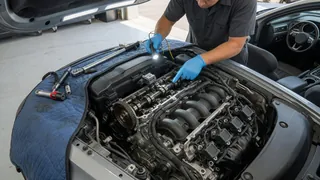
Finding the engine camshaft position sensor often starts with a warning light, an uneven idle, or a no-start condition. This sensor reports camshaft rotation so the powertrain control module can coordinate fuel delivery and ignition events. Its location varies by engine family, but the search is usually straightforward once you understand the surrounding architecture. The following sections explain where to look, how to recognize the component, and which nearby parts can be confused with it during a visual inspection.
Essential answer
The camshaft position sensor is typically mounted on or near the cylinder head, close to the camshaft it monitors. On many engines, this places it at the front or side of the head near the timing cover, where it reads a reluctor wheel or tone ring attached to the camshaft. The engine camshaft position sensor location varies because inline engines, V engines, and transverse installations route wiring and accessories differently, but the sensor generally remains within the cam drive area.
Because a camshaft cannot be observed directly, the sensor uses a magnetic or Hall-effect circuit to detect passing teeth or notches. That signal tells the control module which cylinder is on a compression or exhaust stroke. When you are locating the component, follow the wiring harness branch that runs toward the valve cover or timing housing. The sensor body is usually a small cylindrical or rectangular plastic piece secured by one bolt and fitted with a two- or three-wire connector.
Identification and location
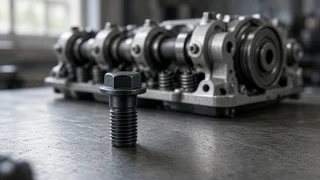
A camshaft position sensor looks similar to a crankshaft sensor, but it is mounted higher and closer to the valvetrain. You can distinguish it from ignition coils, oil pressure switches, or variable valve timing solenoids by its compact body, single retaining fastener, and direct alignment with the cam sprocket area. The electrical connector is often the clearest identifier, since the harness leads back toward the main engine loom rather than to an individual coil or actuator.
Before replacing or removing anything, confirm the specific mounting point for your vehicle configuration. Manufacturer-dependent codes and connector shapes vary, so a sensor that fits one engine may not fit another even if the housings appear similar. Inspect the area around the timing cover, the top of the cylinder head, and the side of the head near the intake or exhaust cam drive. A service manual or reputable vehicle-specific diagram is the most reliable way to verify the exact position without guessing.