Camshaft Phaser Bolt
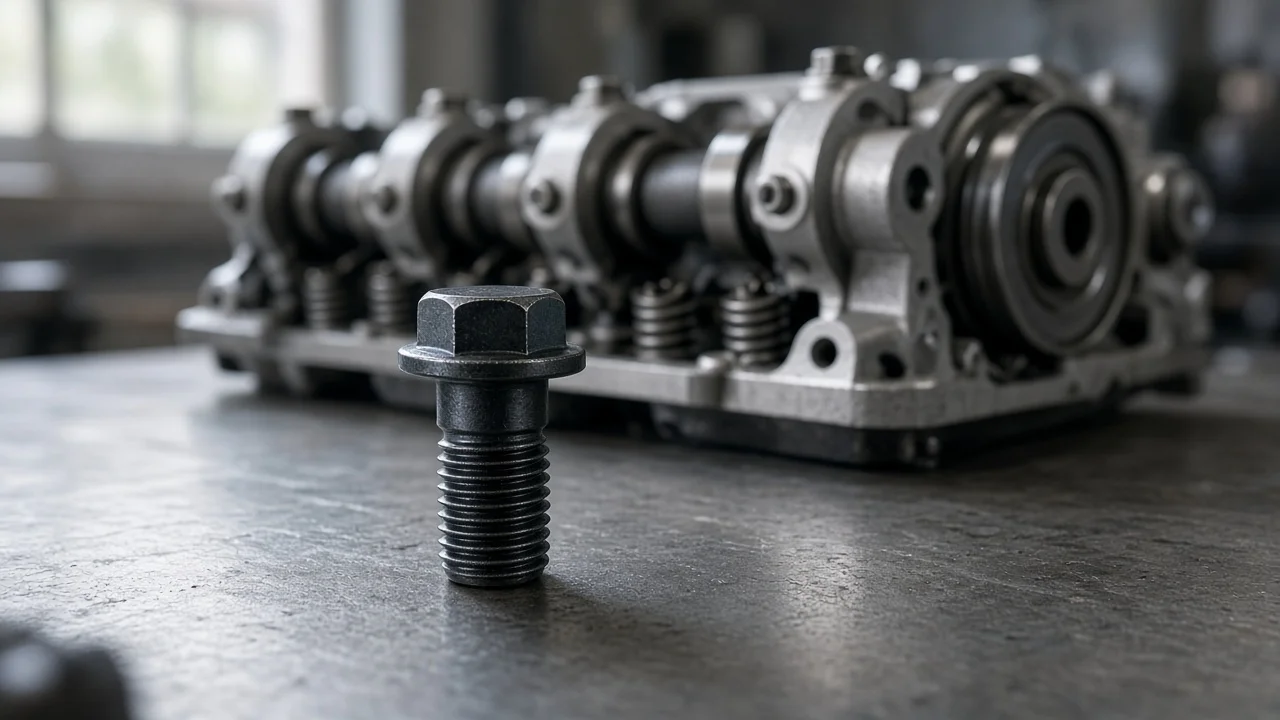
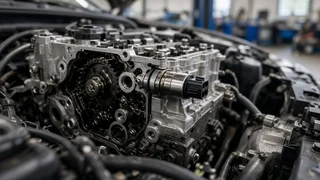
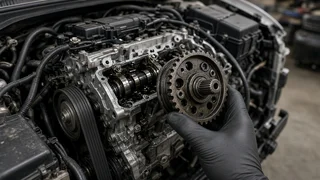
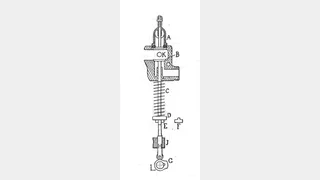
A camshaft phaser bolt may look like a simple hardware item, but it plays a critical role in the variable valve timing system. When you are choosing one, the concern is not just thread size or length. The fastener must survive constant oil pressure cycles, cam timing loads, and heat without loosening or snapping. Because the bolt often secures the phaser to the camshaft nose, its condition affects timing drive stability. Buyers should match the fastener specification to the application and pay attention to whether the original was torque-to-yield or reusable.
The direct answer
The immediate need is usually a replacement that matches the original camshaft phaser bolt dimensions, thread pitch, grade, and head style. If the old bolt was removed after a timing chain or phaser service, the safest path is to treat it as a one-time fastener unless the service information for that engine clearly permits reuse. A wrong-length bolt can bottom out or fail to clamp the phaser hub. A generic hardware-store bolt is rarely an appropriate substitute because it may not handle the same cyclic oil pressure and vibration environment.
In practice, the answer depends on whether you are buying the bolt alone, as part of a phaser kit, or with a timing drive component set. If the cam timing system is already open and the oil control valve or phaser was replaced, the bolt should be part of the same purchase decision. Confirm whether the engine uses a center bolt, three small bolts, or a torque-to-yield design. The correct choice is the one that preserves the designed clamping force without relying on excessive thread locker to compensate for a mismatched part.