Exhaust Camshaft Phaser
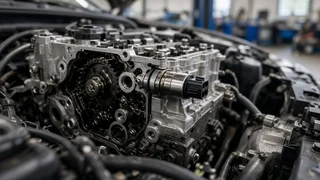
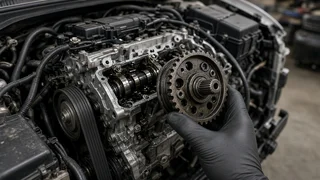
An exhaust camshaft phaser is a variable valve timing actuator mounted on the exhaust camshaft. It adjusts the camshaft's rotational position relative to the crankshaft, altering when exhaust valves open and close. This tuning helps balance emissions, fuel economy, and power across different engine speeds and loads. Because the component deals with hot exhaust flow and precise oil control, wear or internal leakage can produce specific drivability symptoms. Understanding how the exhaust-side phaser differs from its intake counterpart clarifies why an engine may behave well when cold but erratically as oil temperature rises.
Essential answer
An exhaust camshaft phaser changes the timing of the exhaust valves, which directly influences how completely spent combustion gases leave the cylinder and how much residual gas remains for the next intake stroke. On engines with variable valve timing on both camshafts, the exhaust phaser usually works through a hydraulically controlled rotor inside a housing attached to the cam gear. Oil pressure, managed by a solenoid, moves the rotor to advance or retard the exhaust cam. The result is a dynamic overlap period where both intake and exhaust valves may be open briefly, improving scavenging or controlling internal exhaust gas recirculation.
A failing exhaust phaser often affects idle quality, low-speed torque, or transient throttle response rather than causing a complete no-start. Drivers may notice a rough or loping idle, especially after the engine warms. The check engine light can accompany diagnostic codes related to camshaft position correlation or timing over-advanced or retarded conditions. A specific code points toward the affected bank or cam, but it does not by itself confirm the phaser is destroyed. Restricted oil passages, incorrect oil viscosity, a faulty control solenoid, or a stretched timing chain can produce similar correlation errors.