Camshaft Phaser Replacement and Cost
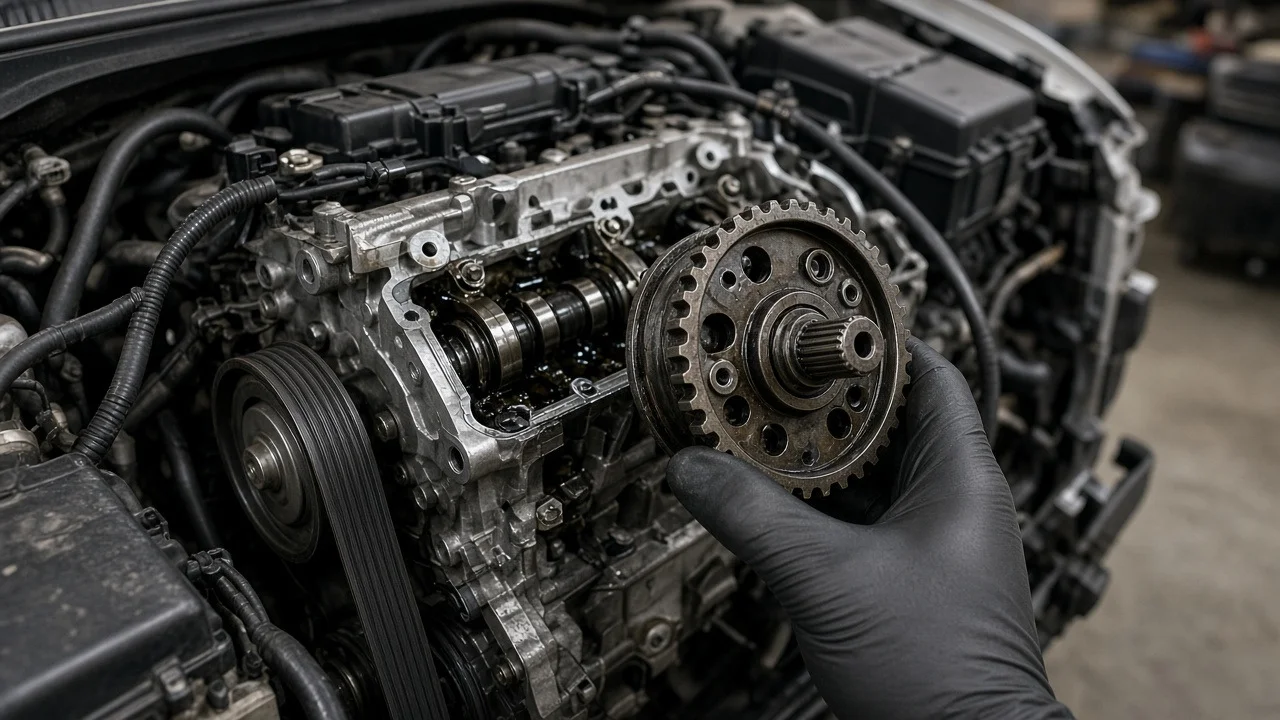
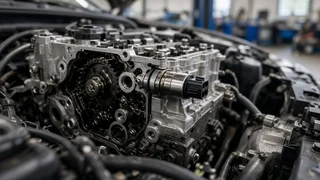
A noisy or erratic valvetrain often points to variable cam timing trouble, and camshaft phaser replacement is a common repair when oil pressure, control solenoids, or worn internals upset the timing drive. Drivers weighing this job want a clear view of symptoms, underlying causes, and the camshaft phaser replacement cost before authorizing work. The final price depends heavily on vehicle layout, parts access, and whether related timing components are renewed at the same time. Understanding how the phaser moves, why it fails, and what labor involves helps separate a genuine timing fault from a simpler oil control valve issue.
The direct answer
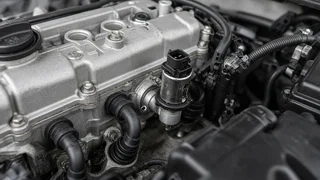
Camshaft phaser replacement typically requires removing or at least repositioning portions of the timing drive, so the majority of the bill is labor rather than the phaser itself. A rattle at cold start, rough idle, reduced fuel economy, or diagnostic trouble codes related to cam timing can all indicate phaser wear, but none of those symptoms prove the phaser alone has failed. Before replacing it, a technician should confirm oil supply, oil control valve operation, and wiring because low oil pressure or a sticky solenoid can mimic an internal phaser fault.
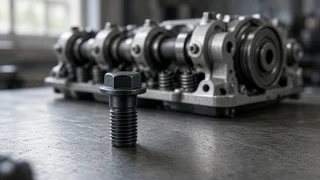
The quoted repair cost is also shaped by the number of phasers on the engine, the need for new fasteners or timing components, and whether the water pump or chain guides sit in the service path. An accurate estimate usually includes replacement of torque-to-yield fasteners and often a timing chain, guides, or tensioner when wear is evident. Because manufacturer-dependent codes and engine designs vary, vehicle-specific confirmation is essential before choosing a repair. Treat a cam timing fault code as a starting point for diagnosis, not automatic proof that the phaser must be replaced.