Camshaft Phaser Sensor
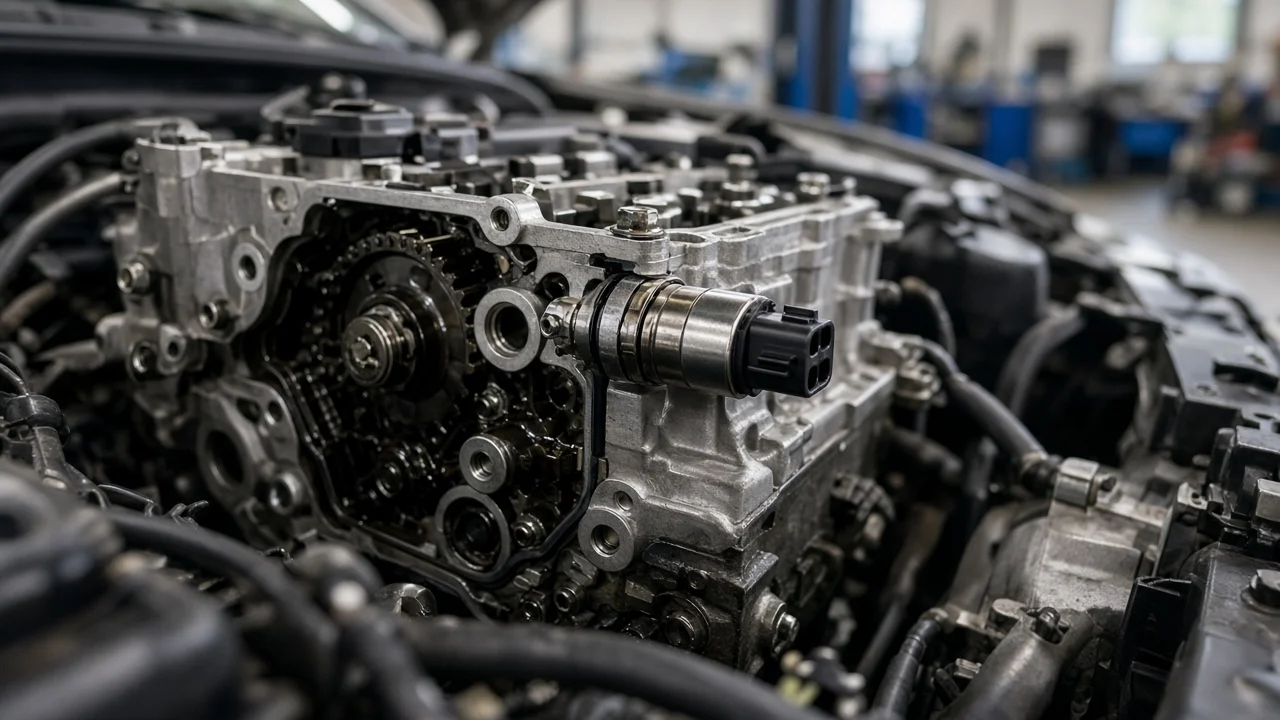
A camshaft phaser sensor question usually points to the feedback device that reports where variable valve timing is positioned. On many engines, the camshaft position sensor performs this job while the phaser itself changes cam timing through oil pressure. Understanding the difference between the actuator, the oil control valve, and the sensor helps you interpret a rough idle, a timing-related trouble code, or a parts lookup without assuming the first scanned component has failed. This overview explains the mechanism, the signal path, and the practical limits of diagnosing this system.
Essential answer
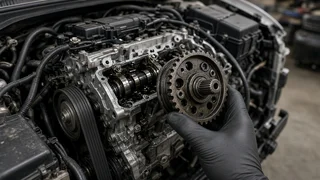
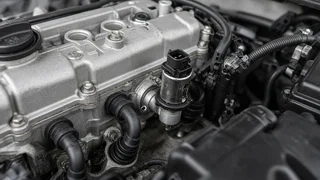
The direct answer is that a dedicated camshaft phaser sensor is not a universal, separately named part on most vehicles. The sensor reading commonly associated with phaser position is the camshaft position sensor. It watches the camshaft rotation and supplies the engine control module with a timing reference signal. The phaser is the mechanical actuator mounted on the cam gear that rotates the cam relative to the timing drive, while the oil control valve routes engine oil pressure into the phaser to command that movement. The sensor confirms whether the commanded cam timing actually occurred.
On systems where the controller requests a target cam angle, the engine computer compares the crank signal with the cam signal. If those signals do not match the expected pattern for the requested phaser position, a diagnostic strategy may set a timing over-advanced or over-retarded code rather than a direct sensor failure. That does not prove the camshaft position sensor is bad. Restricted oil passages, a sticking oil control valve, a failed phaser lock pin, or a wiring fault can create the same symptom. The sensor is one part of a closed-loop timing circuit, and its reading must be interpreted alongside oil pressure and mechanical position.