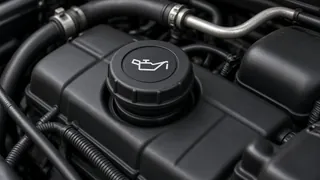
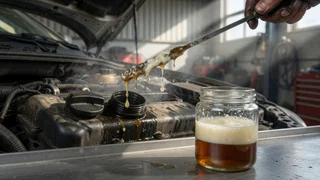
Condensation on the engine oil cap
A milky film or pale droplets on the underside of the oil fill cap often cause alarm, but this residue is frequently a normal reaction to engine temperature and humidity. When a warm crankcase cools, moisture in the air condenses on the coolest exposed metal, including the cap and valve cover. Short trips make the effect more visible because the oil never stays hot long enough to evaporate that water. Understanding the conditions that produce this deposit helps you separate routine vapor accumulation from a cooling system concern and choose the correct next step for your vehicle.
Essential answer
Condensation in an engine oil cap is usually a light, foamy or mayonnaise-like emulsion created when water vapor mixes with oil mist at the top of the engine. In most cases it appears after repeated short drives in cool or humid weather, where the crankcase warms slightly but does not reach full operating temperature for long. The moisture from normal combustion and atmospheric humidity then settles on the cooler fill cap and valve cover. Because plain oil does not mix with water, the churning action of engine parts can whip tiny droplets into a pale, creamy residue that stays trapped near the cap.
The finding is not automatically proof of a blown head gasket or a cracked oil passage, though those heavier failures can create the same visual clue. If the dipstick shows clean, translucent oil and the coolant level remains stable, the cap emulsion is usually limited to surface condensation. A persistent thick buildup that reaches the oil pan, foamy oil on the level check, white exhaust smoke, or unexplained coolant loss changes the interpretation. For now, treat light cap residue as evidence of incomplete moisture removal, not as a failed component, and confirm the vehicle condition before deciding on a repair.