Camshaft Phaser Solenoid
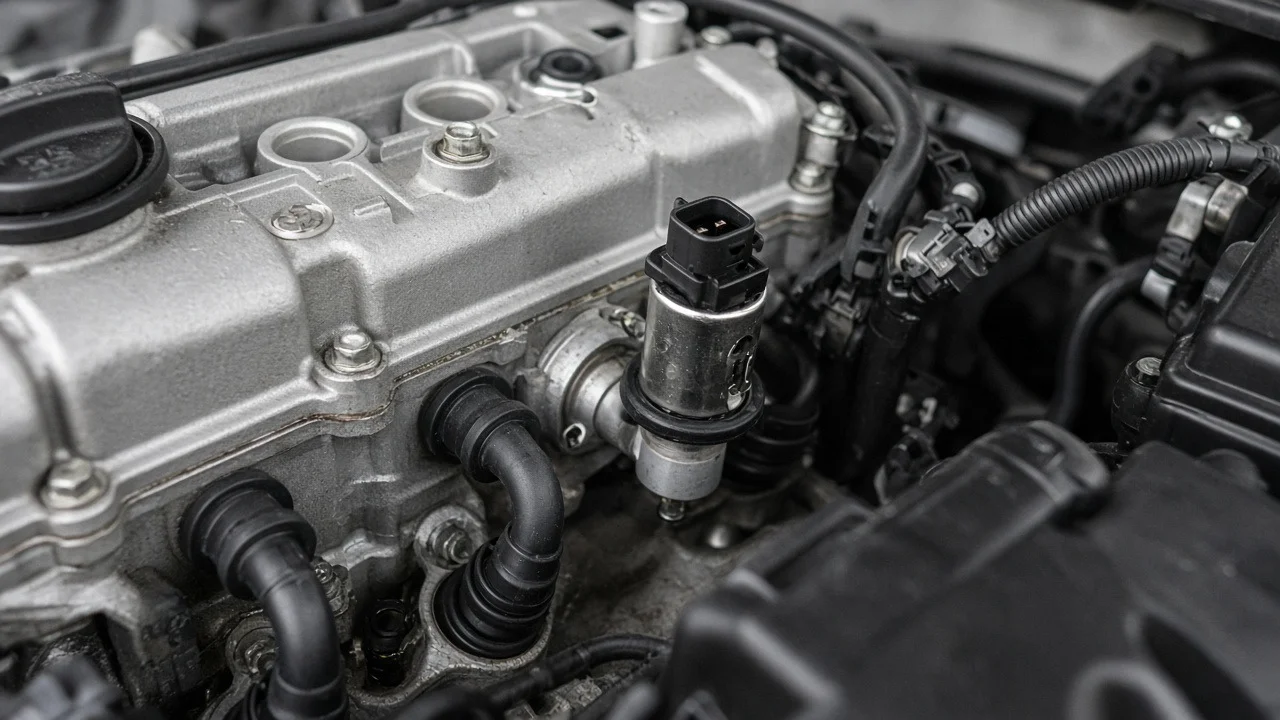
A camshaft phaser solenoid is the electrically controlled oil valve that directs engine oil pressure into the variable valve timing phaser. When it sticks, leaks, or receives a degraded signal, the phaser cannot rotate the camshaft properly, so valve events drift away from the computed target. That mismatch can produce rough idle, poor fuel economy, rattles on startup, and diagnostic trouble codes. Understanding the solenoid’s role in the timing drive separates a low-cost control fault from internal phaser wear and helps a technician choose tests that do not replace the wrong part.
Essential answer
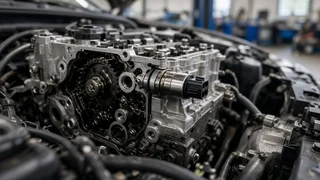
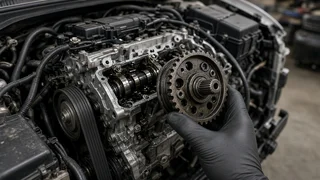
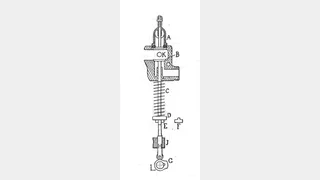
A camshaft phaser solenoid is best described as the oil control valve that meters pressurized engine oil into and out of the chambers of a camshaft phaser. The engine control module sends a variable duty-cycle command, and the solenoid spool moves to allow oil to advance or retard the phaser position. In most designs the solenoid mounts on the cylinder head, timing cover, or valve cover, and its connector carries the electrical control signal. It is part of the cam timing system rather than the phaser itself, although the two components share the same oil galleries.
The solenoid’s practical job is to convert an electrical request into a precise hydraulic action. As the engine runs, the powertrain computer measures crankshaft and camshaft position and compares the actual phase angle with the desired angle for load and rpm. When error appears, the controller varies the pulse width to the solenoid, changing how far the spool shifts and therefore how much oil pressure reaches one side of the phaser. Dirt, varnish, low oil level, or wiring faults can make that response sluggish, producing the same symptom set as a worn phaser without proving internal mechanical damage.
Diagnosis must keep the solenoid separate from the phaser gear until the checks are complete. Oil that is overdue for service can leave sludge on the solenoid screen, while a weak battery or damaged harness can prevent the coil from moving the spool. A scan tool may show a stuck cam timing angle or an open-circuit code, but that evidence points toward the control loop rather than identifying an exact failed component. Confirming oil pressure, circuit resistance, and return movement before disassembly helps avoid replacing a functioning phaser when the real fault is the oil control valve.