How to Prepare a Car for Multiple Drivers on One Trip
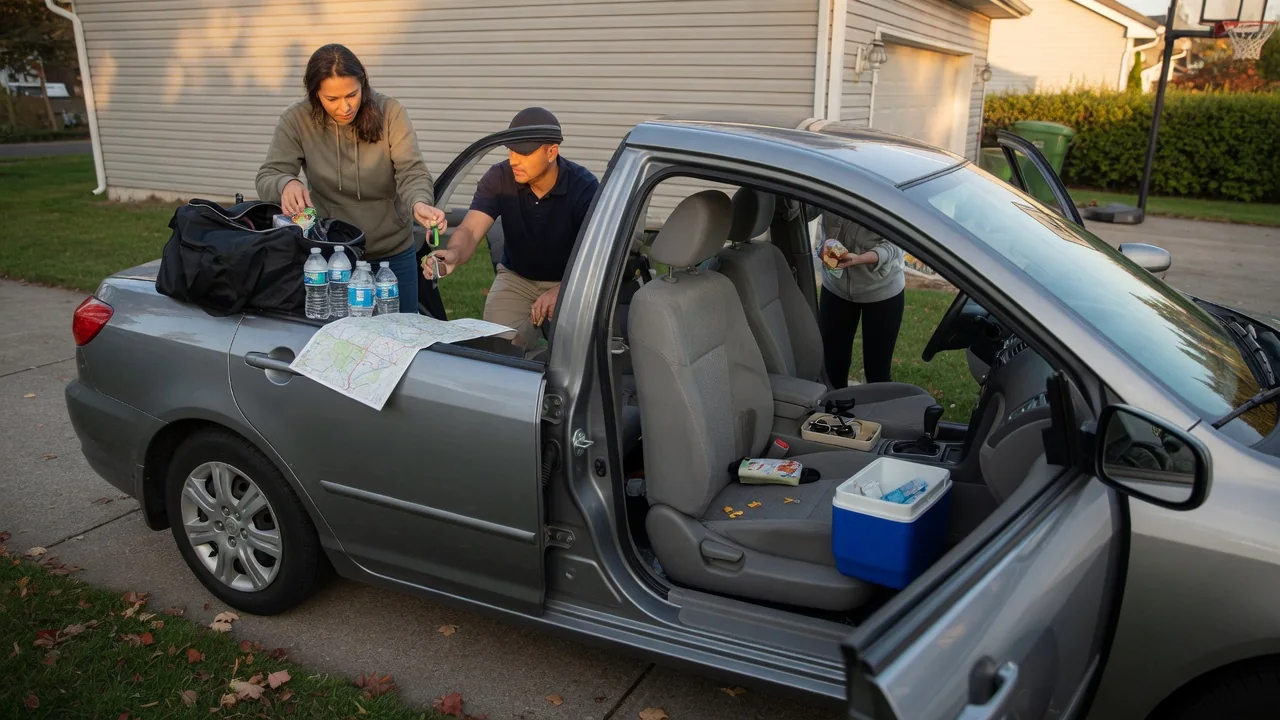
Sharing the wheel on a long drive spreads fatigue, but it also means the same cabin has to fit different bodies, habits and expectations. Knowing how to prepare a car for multiple drivers on one trip comes down to settling seating, controls, key access and shared navigation before departure, so each changeover takes a couple of minutes instead of becoming a roadside negotiation.
Profiles and mirrors
Many newer vehicles let each driver save a profile that stores seat position, steering column reach, exterior mirror angles and sometimes climate, audio and driver-assistance preferences. Where that feature exists, set up a profile for every driver while the car is parked at home, not at a fuel stop. Each person should sit in the seat, adjust it properly, and save the result under their own name or memory button, then recall it once to confirm that the car actually moves everything back as expected.
Cars without memory functions need a manual routine instead. Each driver can note a reference, such as how many clicks the seat sits from the rearmost position or where the seatback lines up against the door pillar, to speed the reset. Mirrors deserve a deliberate check at every swap: the interior mirror should frame the rear window, and the side mirrors should be set from that driver's own head position. What a profile stores varies by manufacturer and trim, so head-up display height or lumbar settings may still need adjusting by hand.
Key handoff
With a traditional key, the handoff is obvious because the key has to be in the ignition. Proximity fobs make it less so. The car may start as long as the fob is somewhere in the cabin, so a fob left in a passenger's jacket can leave the next driver stranded when that passenger walks into a restaurant. Agree on one rule: the fob physically passes to whoever is driving, and the spare travels in a different person's bag rather than in the car's console.
Some vehicles tie a driver profile to a particular fob or to a phone used as a digital key, which means the wrong fob can recall the wrong seat position as the door opens. If the car supports phone-based access, confirm before leaving that each driver's phone is paired and working, and that everyone knows the backup entry method if a battery dies. Watch the instrument cluster for a key-not-detected message after a swap; it is a quick confirmation of where the fob actually is. Setup steps differ by brand, so the owner's manual is the reference.
Route and rest plan
Shared navigation works best when the route lives in one place everybody can reach. Entering the destination and planned stops into the car's built-in system, or into a single phone app projected through the infotainment screen, means the guidance does not vanish when one person's phone leaves the cradle. If drivers prefer their own phones, pair each one in advance and decide which device takes priority, because many systems connect automatically to the last phone used and can drop the map mid-journey.
Plan the driver changes around the stops, rather than the other way round. Fuel or charging breaks, meal stops and rest areas are natural swap points, and tying them to the route lets the incoming driver know roughly when their stint begins. Assign shifts honestly: someone who dislikes night driving or heavy urban traffic should take the daylight highway stretch. The resting driver should genuinely rest, while the front passenger handles navigation prompts, toll payments and messages so the person at the wheel keeps their attention on the road.
Everyday Use and Observations
In practice, a good changeover follows the same short sequence each time. The new driver adjusts or recalls the seat, checks all three mirrors, sets the steering wheel, fastens the belt and confirms they can press the brake pedal fully without stretching. They then glance at the instrument cluster for fuel or charge level, any warning lights and the current drive mode, since the previous driver may have left the car in a sport or eco setting, or changed the adaptive cruise following distance.
Small differences between drivers show up quickly on a shared trip. One person may find the lane-keeping assistance intrusive and switch it off; another may rely on it, so each driver should check which aids are active instead of assuming. The same applies to wiper and headlight stalks left in a manual position, the parking brake type, and the volume of navigation prompts. A driver unfamiliar with the vehicle benefits from a few minutes in a parking lot locating the hazard switch, hood release and fuel door before joining traffic.
Limits and Next Steps
Preparation of the cabin does not settle the legal and insurance questions. Whether an additional driver is covered depends on the policy, and rental agreements commonly require each driver to be named, so check the paperwork instead of assuming permission extends automatically. Every driver should carry a valid license, and know where the registration and insurance documents are kept. Likewise, no profile or seat memory compensates for a driver who is too tired; if both people are fatigued, the correct plan is a longer stop, not another swap.
Vehicle capability also sets limits. Memory seats, linked fobs, digital keys and wireless phone projection are not universal, and features with the same name can behave differently between manufacturers, so confirm what your car actually does from its manual or settings menus. A sensible next step is a short rehearsal a few days ahead: save the profiles, pair the phones, load the route and practice one handoff in the driveway. Anything that fails there, such as a profile that will not recall or a phone that refuses to connect, can be sorted out before departure.