How Indirect TPMS Works
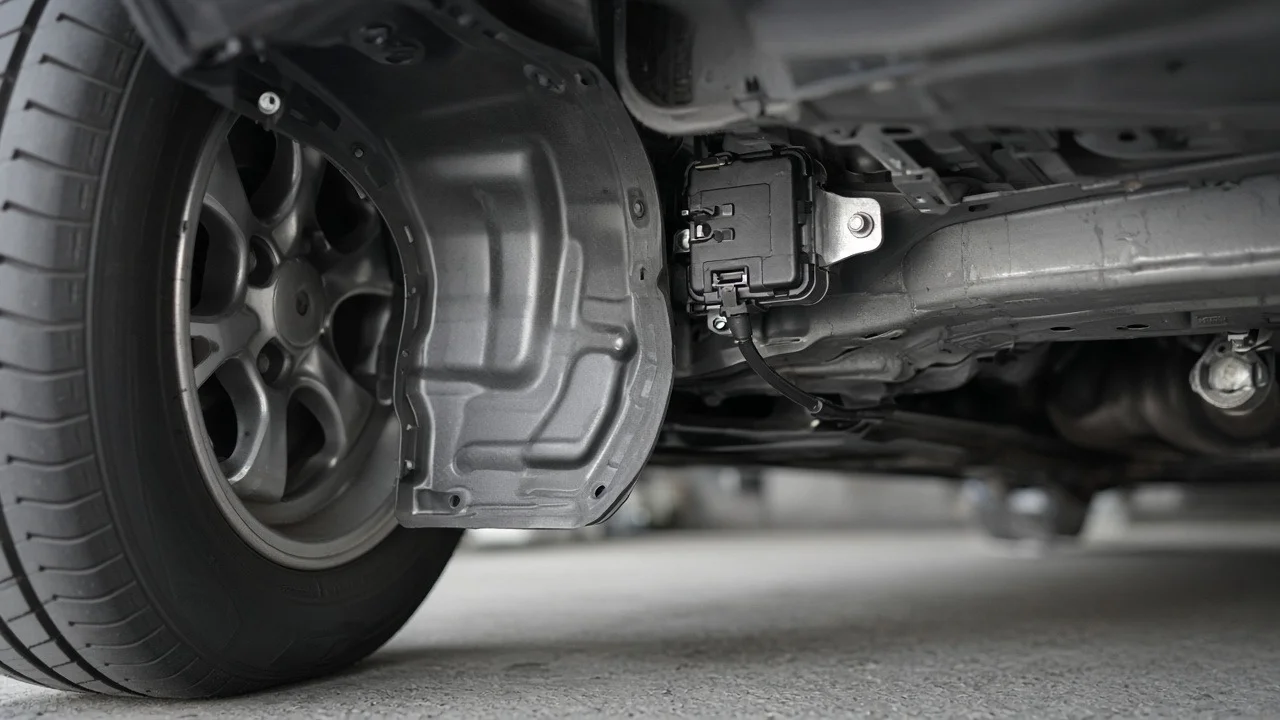
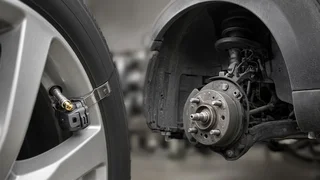
An indirect TPMS system is a tire pressure monitoring method that does not place a pressure sensor inside each wheel. Instead, it uses the vehicle's existing anti-lock brake and stability-control hardware to estimate pressure loss from changes in wheel speed. When a tire loses air, its rolling radius shrinks slightly and that wheel rotates faster than the others. The control module recognizes the pattern and illuminates a warning indicator. Understanding this approach helps owners interpret alerts, perform system calibration after tire service, and recognize when a direct measurement system would behave differently.
Essential answer
An indirect TPMS system is a tire pressure monitoring method that infers underinflation rather than measuring air pressure directly. It relies on wheel-speed data already generated by anti-lock brake or stability-control components. When one tire becomes softer, its effective rolling circumference decreases enough to change its rotation rate relative to the other wheels. The module interprets that difference as a possible pressure loss and triggers a warning indicator. This means the alert is based on a calculated comparison, not a physical pressure reading inside the tire cavity.
This type of tpms indirect system is common on vehicles designed to reduce sensor cost and wheel-service complexity. It can often detect pressure loss affecting one tire or a pair of tires on the same axle, depending on how the software compares rotational behavior over time. However, it may not identify which tire is low unless the system was calibrated with a specific driving pattern. The essential answer is that it provides a useful low-pressure warning through existing hardware, with different reinitialization and diagnostic steps than direct TPMS.
How it works
The operating principle begins with the wheel-speed sensors mounted at each corner. As a tire loses inflation pressure, its loaded radius becomes smaller, forcing that wheel to complete more revolutions per mile than the others. The anti-lock brake module samples these sensor signals continuously. By filtering out normal speed differences from cornering or road irregularities, the software looks for a sustained relative increase at one wheel that cannot be explained by driving conditions. When the pattern persists, the module stores a pressure-loss condition and lights the warning indicator.
The system becomes more accurate after reinitialization because it learns the rolling characteristics of the tires at the current tread depth, load, and inflation level. During that learning phase, the controller records the baseline relationship among the wheel-speed signals. After calibration, a small but consistent deviation in one wheel suggests that its rolling radius has changed. That is why tire inflation adjustments, tire replacement, and wheel rotation typically require a new initialization. Without it, the system may compare the current behavior against an outdated baseline and produce a false warning.
Strengths, limitations and suitability
The main strength of the indirect approach is simplicity. It uses hardware already present for anti-lock braking and electronic stability control, so there are no valve-stem sensors, sensor batteries, or wireless pressure transmitters to maintain. For owners who rotate wheels or install different wheel sets, the absence of physical sensors can reduce service steps and the risk of damaging a sensor during tire mounting. The warning indicator still offers a meaningful alert when one tire is losing air faster than the others.
The trade-off is that the system does not report an actual pressure value. A slow, even pressure loss across all four tires may not create a strong relative difference and may go undetected. The alert also depends on learned baselines, so tire or wheel changes call for system calibration. The monitoring method suits drivers who check inflation manually and want a lower-complexity factory warning. Drivers who prefer real-time pressure values per tire are usually better served by a direct TPMS with in-wheel sensors.
Procedure
After adjusting tire inflation to the recommended level, the driver should locate the reinitialization control specified for the vehicle. On many models this is a button in the cabin or a reset option in the instrument-cluster menu. The engine is usually running and the vehicle stationary during the process. Once activated, the system begins a learning period during which it records the wheel-speed relationship under normal driving. Completing the drive as directed gives the module enough information to set a reliable reference.
The same initialization should be performed after tire rotation, replacement, seasonal wheel changes, or any pressure correction that follows a warning. Skipping this step can make the warning indicator return even when all tires are inflated properly. Because the system depends on matching tire behavior, owners should confirm that the tires are similar in size and reasonably comparable in wear. A vehicle with an unusual tire combination may not calibrate correctly, and the owner should consult the applicable owner's manual before completing the procedure.
Diagnosing a problem
When the warning indicator illuminates, the first check is a manual tire inflation measurement with a reliable gauge. If one tire is significantly lower than the others, adding air may resolve the alert after the required calibration. If all pressures are near the vehicle's recommended values, the warning may be a false indication caused by an outdated baseline, a recent rotation without reset, or sustained differences in wheel speed from tire wear, loading, or a compact spare.
Because this system compares rotational signals, a warning with confirmed equal pressures does not automatically prove a broken sensor. The driver should look for observable conditions such as uneven tread depth, a mismatched tire, or a loose wheel-speed sensor connector if that area is accessible. The warning can also appear after aggressive driving or prolonged cornering that created temporary speed differences. If the reset procedure does not clear the alert and pressures remain correct, a professional diagnosis may be needed to evaluate the module's stored fault evidence without assuming a failed part.