Direct vs indirect TPMS: how each system works
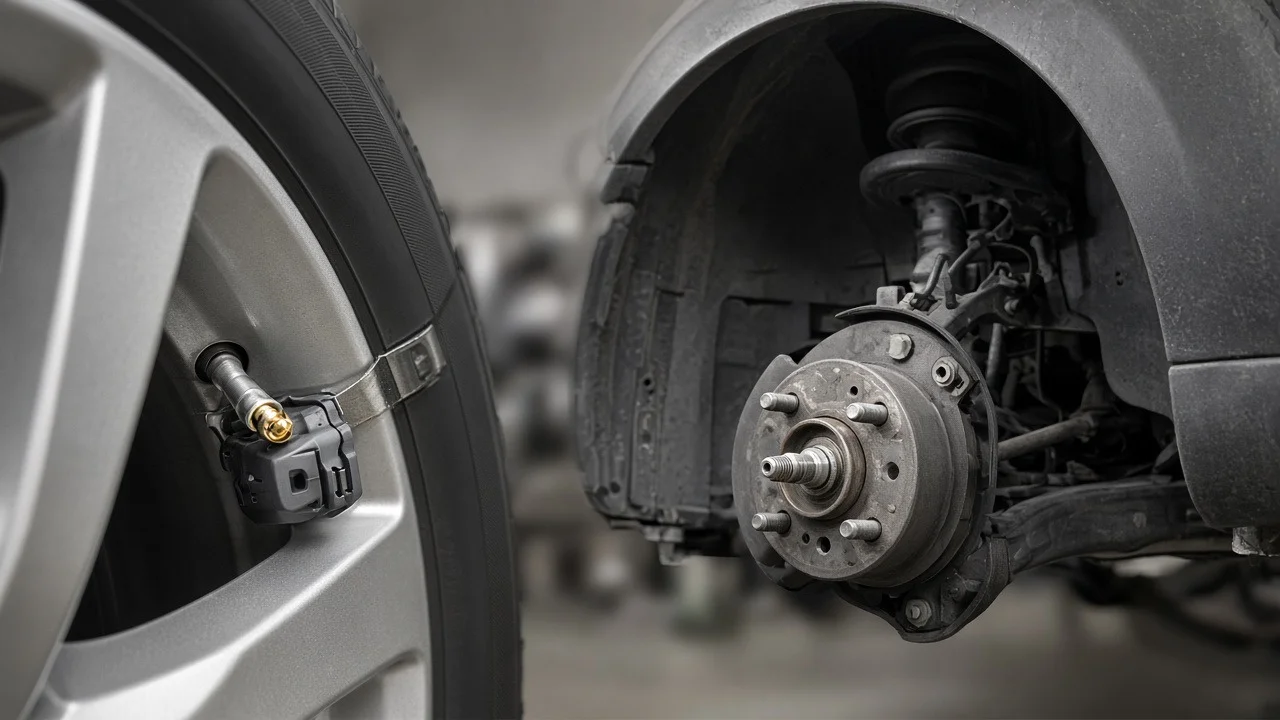
A tire pressure monitoring system can warn you before a low tire becomes a roadside problem, but the warning does not always mean the same thing. The choice between direct and indirect sensing changes how pressure information is collected, displayed, and maintained. Some vehicles use a direct sensor mounted inside each wheel to measure inflation, while others infer a change by comparing wheel rotation. Understanding that distinction helps you interpret a dashboard alert, decide what to check, and plan for sensor service during tire replacement.
Direct answer
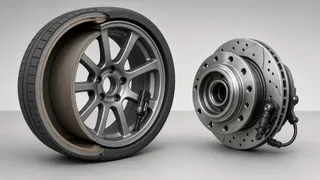
Direct TPMS uses a battery-powered pressure sensor inside each wheel to measure inflation and transmit data to the vehicle. It can often report individual tire pressures and may alert quickly when a specific tire drops below a threshold. Indirect TPMS does not measure pressure directly. It uses wheel-speed signals from the stability control system to detect that one tire is rotating slightly faster, a pattern that can indicate reduced diameter from pressure loss. Both approaches satisfy warning requirements, but they differ in hardware, responsiveness, and the information shown to the driver.
A direct setup generally gives more precise feedback, while an indirect setup relies on learned rolling characteristics and may need a reset after tire service or pressure adjustment. Manufacturer implementations also vary by model generation, trim level, and market specification, so the same brand may use either method on different vehicles. A vehicle that displays a number for each corner typically uses direct sensing, whereas a generic warning without individual values may use either method. The actual behavior should be confirmed for the specific model year and powertrain configuration.
How it works
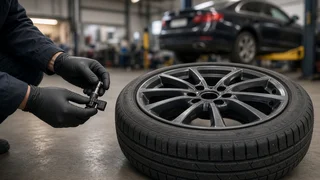
A direct TPMS sensor is usually combined with the valve stem or attached to the wheel inside the tire. It measures air pressure and often temperature, then sends data by radio to a receiver. Because the sensor is inside the harsh wheel environment, the sealed battery eventually depletes, and its signal can be affected by interference, sensor position, and wheel changes. When tires are rotated, many systems require a relearn procedure so the vehicle knows which sensor is at which corner. The vehicle may display pressure in pounds per square inch or show low-pressure warnings.
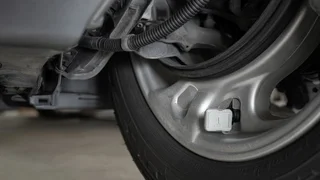
An indirect system compares the rotational speed of each wheel using existing wheel-speed sensors. A tire with less air has a slightly smaller rolling circumference, so it turns more times per mile. The controller looks for a sustained difference and may also detect changes in vibration or other signals. It does not know the actual pressure, only that one wheel's behavior differs from the learned baseline. Because ambient temperature changes, tire load, body style, and road conditions can affect rolling behavior, the system must be recalibrated to establish a new reference after inflation or tire replacement.
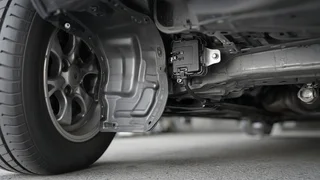
A Honda indirect TPMS setup follows this wheel-speed comparison approach on many models, meaning there may not be a separate pressure sensor inside the wheel. The system often uses a calibration button or menu prompt to learn the current tire state. If tires are rotated, pressures are changed, or replacement tires have different dimensions, the baseline can become inaccurate. The vehicle may then produce a false warning or miss a gradual loss. Checking the owner's manual for the specific model generation is the reliable way to confirm whether a Honda uses direct or indirect monitoring and how its reset should be performed.
Symptoms and checks
A warning light alone does not prove that a direct TPMS sensor has failed. The cause may be a genuinely low tire, a slow leak, temperature-related pressure drop, or a sensor with a weak battery or lost communication. Start with a manual pressure check when the tires are cool, using a reliable gauge rather than assuming the dashboard number is current. Add air to the specified pressure and see whether the warning clears after the vehicle is driven. If the same corner keeps reading incorrectly or shows dashes, the issue may involve that sensor, but a damaged valve stem, wheel corrosion, or receiver fault can produce similar symptoms.
An indirect system may illuminate after a tire is inflated, rotated, or replaced because the new rolling baseline differs from what the controller learned. The first useful check is to set all tires to the correct pressure, then perform the reset or calibration procedure for that model. A warning that returns without a measurable pressure loss can point to mismatched tires, uneven tread wear, a dragging brake, or a failed wheel-speed sensor. Do not replace components based on the warning alone. A tire that is visibly damaged, rapidly losing air, or causing vibration at highway speed should prompt you to stop driving and inspect the wheel before continuing.