Giving a Recorded Statement After a Car Accident
After a collision, an insurance representative may ask you to provide a recorded statement for car accident documentation. This request usually arrives within days of the incident, when your memory is fresh but stress and pain may still affect your recall. The recording becomes an official account that can shape how fault, injury claims, and property damage are evaluated. Knowing what this request means and how the process differs from a casual phone call helps you respond deliberately rather than giving offhand remarks that later complicate a claim.
Essential answer
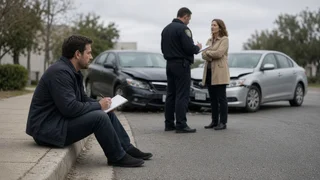
A recorded statement for car accident claims is a question-and-answer session, typically by telephone, that an insurer or claims adjuster preserves as an audio file. The interviewer asks you to describe the collision, your vehicle identification, the incident time, road and weather conditions, and any injuries. Your answers may be compared with police report references, witness details, and other evidence. Because it is an original recording, it can be used later to support or challenge claims.
The request itself does not mean you are suspected of anything, and it is not automatically proof of fault. It creates a retrievable account before details fade. The retained audio becomes part of record retention for the claim file, so casual estimates such as speed or distance can be treated as statements of fact even if you meant them only as guesses. For that reason, the essential task is to distinguish what you actually observed from what you assume.