Direct TPMS Sensor Modes
Understanding direct TPMS sensor modes helps explain why a warning indicator behaves differently after tire inflation, wheel rotation, or seasonal wheel changes. These modes describe how a sensor measures, transmits, and updates pressure data in a monitoring method. The distinction matters because not every system reinitializes itself in the same way. Recognizing the common operating states can prevent a false low-pressure alarm, guide system calibration after service, and clarify when a sensor is simply sleeping rather than failed.
Essential answer
Direct TPMS sensor modes are the operating states that govern when and how a wheel-mounted sensor reports tire pressure. They typically include a rolling or drive mode, a stationary or sleep mode, and a service or reinitialization state. The exact naming differs among manufacturers, but the core idea is consistent: the sensor manages power use and data transmission according to vehicle movement and recent inflation changes. This helps extend battery life while ensuring that a sudden pressure loss is reported promptly.
These modes do not change what the sensor measures; they change its reporting behavior. A sensor may sample pressure regularly but transmit only when rolling, then enter a low-power sleep mode after the vehicle sits. After a tire inflation adjustment, some sensors require a relearn procedure to accept the new pressure as the baseline. Without that system calibration, the warning indicator may remain lit or flash even though the corrected tire is no longer low.
How it works
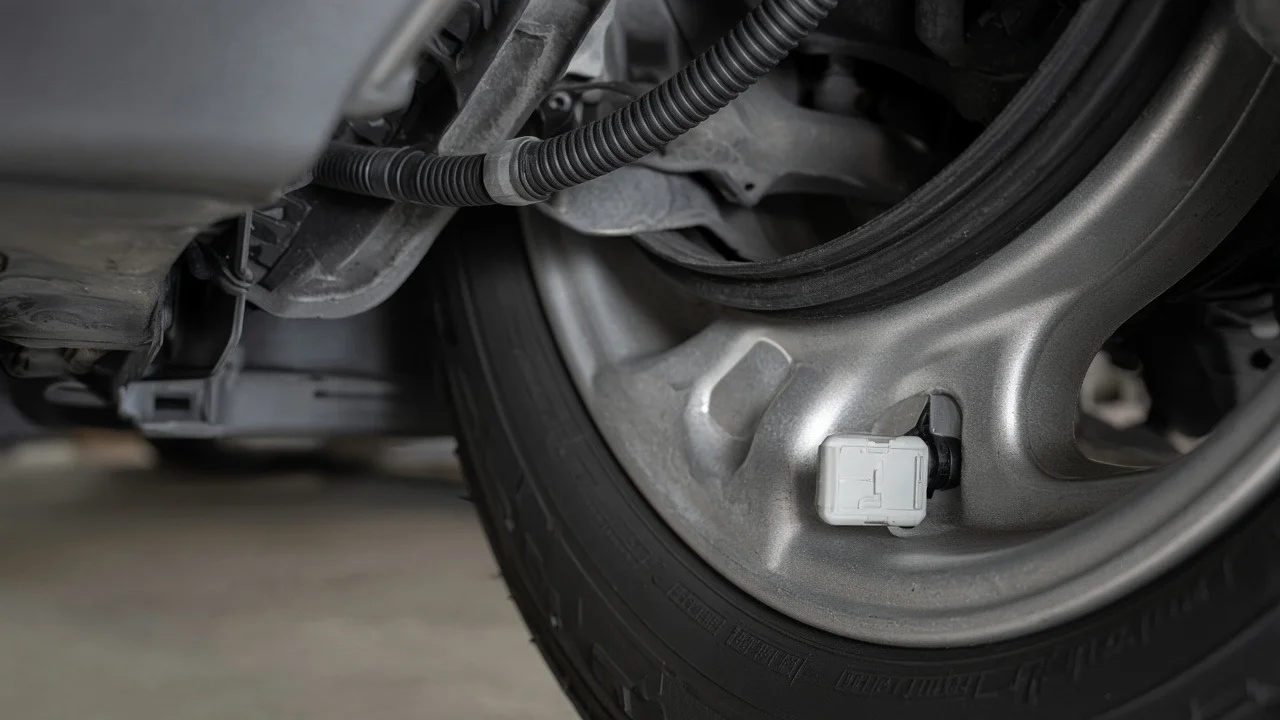
In a direct system, the sensor sits inside the wheel and sends a radio signal to a receiver. During normal driving, centrifugal force and vehicle speed tell the sensor to switch from an intermittent sampling state to an active rolling mode. In that mode, it transmits pressure and temperature data at a faster interval, giving the driver near-real-time information. When the vehicle stops, the sensor typically waits a set period and then drops into a sleep mode to conserve its internal battery.
A wheel rotation often triggers a new phase of operation because the receiver must relearn which transmitter is at which corner. The sensor may broadcast a unique identification code only when prompted by a tool or after detecting pressure changes. Tire inflation can also wake a sensor from sleep. If the vehicle remains parked, the system may wait to clear an alert until the rolling mode begins and fresh readings confirm the corrected pressure.
Strengths, limitations and suitability
The main strength of direct modes is responsive, wheel-specific reporting. A driver sees pressure changes from a single tire rather than a general estimate from wheel-speed data. The active rolling mode supports early detection of a slow leak before the tire appears visibly low. Sleep and reinitialization states also contribute to long sensor service life. This design suits drivers who want clear per-corner information and quicker confirmation after adding air.
A limitation is that the vehicle may not immediately update the dashboard after a stationary pressure correction. If the sensor remains in sleep mode or is waiting for a relearn signal, the warning indicator can stay on for a short drive. Direct systems also require more involved service steps after wheel rotation. Drivers who change between winter and summer wheel sets may find that the receiver needs a new sensor ID learning routine each season.
Procedure
Before performing a relearn, inflate all tires to the pressure listed on the vehicle placard when they are cold. Then use the vehicle's TPMS menu or a compatible activation tool if required by the manufacturer. The goal is to move each sensor out of sleep mode so it transmits its ID and position. Follow the order specified for the vehicle because the receiver assigns the signal to a specific corner during this sequence.
After the reinitialization completes, drive the vehicle for the period the system needs to confirm stable readings in rolling mode. This drive cycle lets the sensors send repeated data and lets the receiver verify that no tire has a leak. Check that the warning indicator goes out and that the displayed pressures match the placard values. If the light remains on, do not assume the sensor has failed; the relearn may not have been accepted.
Diagnosing a problem
A warning indicator that stays on after inflation often points to a mode or relearn issue rather than a defective sensor. Observe whether the display shows dashes for one corner or an incorrect pressure. A flashing light before it goes solid can indicate a missing ID or a sensor that has not exited sleep mode. Start by confirming the tire pressure with a reliable gauge and then perform the specific reinitialization sequence for the vehicle.
If the system still does not recognize a wheel, the cause may be a low sensor battery, a damaged valve stem, or interference from an aftermarket device. A stored fault code can identify which corner the receiver cannot hear, but it does not by itself prove which part needs replacement. Manufacturer-dependent codes require vehicle-specific confirmation. Stop and have the system checked if the tire is losing air rapidly or if the warning is accompanied by visible tire damage.