H3R Automotive Fire Extinguishers: What to Check Before You Buy
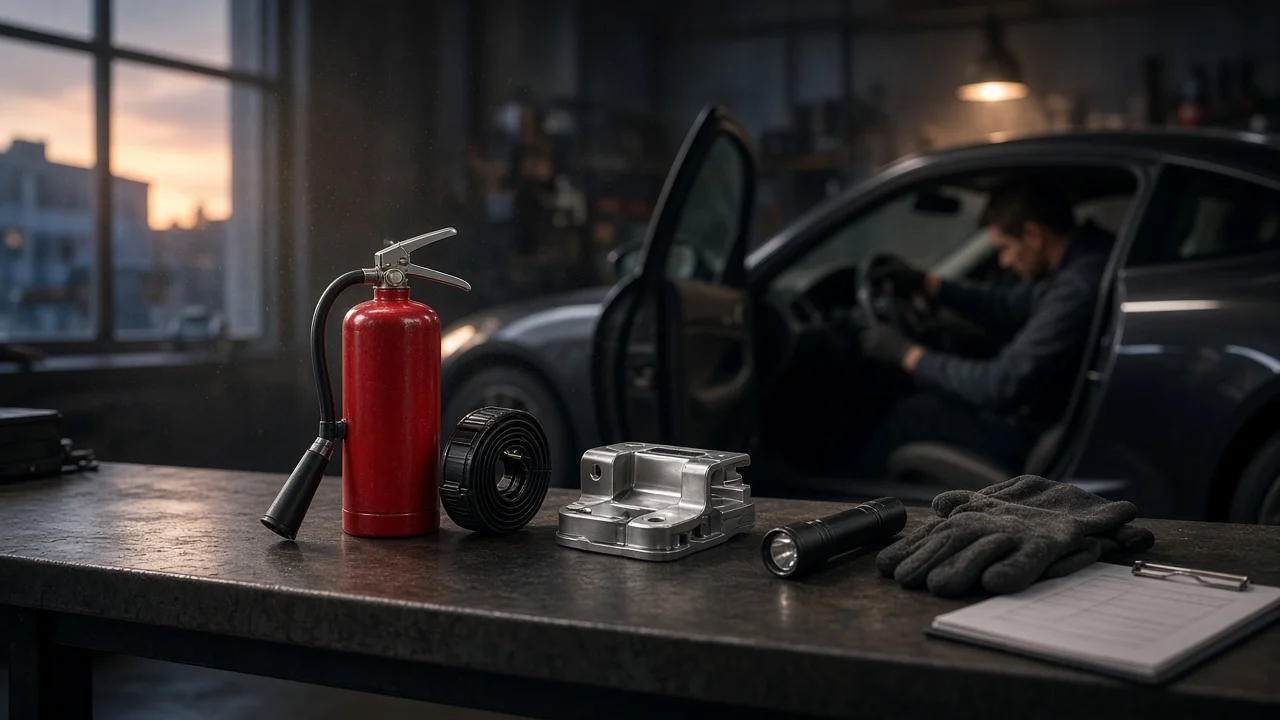
An H3R extinguisher can be a sensible addition to a car, truck or track vehicle, but only if the specific unit carries a fire rating that matches vehicle fires, fits a secure mounting spot, and suits how you use the vehicle. The brand name alone does not settle that. Each extinguisher's label should show its rating, agent and service instructions, so read the label before you buy. This guide could not confirm specifications, prices, ratings or current model names for H3R products, so treat any figures you see elsewhere as claims to verify.
The short answer
For most private vehicles, look for an extinguisher that is listed by a recognized testing body and rated at least for Class B (flammable liquids such as fuel and oil) and Class C (energized electrical equipment) fires. Then choose the agent type, size and mount that fit your vehicle and budget. Two conditions change the answer. If you drive a commercial vehicle or race at organized events, rules set by regulators or sanctioning bodies may dictate the rating, agent or mounting method. If you can't mount the unit securely within reach of the driver, a different size or mount is a better buy than a larger extinguisher.
What to check on any H3R model
Listing and rating: In the US, look for a UL listing or an equivalent recognized certification. The rating appears as numbers and letters. The letters show which fire classes the unit is tested against, and a larger number means more extinguishing capacity within that class. Extinguishing agent: Confirm whether the unit uses dry chemical or a clean agent. This affects cleanup and possible damage to the vehicle (see the comparison below). Size and weight: A larger unit holds more agent but needs more space and a stronger mount. Measure the space you plan to use before choosing a size. Mount and bracket: Check whether a bracket is included and what it attaches to. Vehicle-specific mounting kits depend on model year, body style and seat or roll-cage design, so confirm the fit for your exact vehicle. Pressure gauge: A gauge lets you see at a glance whether the unit is still charged. Rechargeable or disposable: Some units can be serviced and refilled after use. Others must be replaced. The label or manual should say which applies. Temperature range: Cabins and trunks can get very hot or very cold. Check that the stated operating and storage temperature range covers your climate. Applicable rules: Commercial motor vehicles and many motorsport events have their own extinguisher requirements. Check those before buying.
Dry chemical or clean agent
Factor | Dry chemical | Clean agent (halocarbon type); How it works | Discharges a fine powder that interrupts the fire | Discharges a gas or liquid that evaporates and interrupts the fire; Residue | Leaves powder that can be corrosive and is hard to remove from engine bays and electronics | Leaves little or no residue; Typical buyer priority | Broad coverage at a generally lower cost | Limiting damage to engines, wiring and interiors; Trade-off | Cleanup and possible secondary damage after use | Generally costs more for a similar rating, and the gas can disperse in wind
Whichever agent you choose, compare the rating on the label rather than relying on the agent type alone. A smaller clean-agent unit and a larger dry-chemical unit can carry different ratings.
Where to mount it
An extinguisher left loose in the cabin can become a projectile in a crash, and one buried in the trunk may be out of reach when you need it. Choose a spot the driver can reach quickly after leaving the vehicle, or from the seat in a race car. Secure it with a bracket rated to hold it. Common choices include the front of a seat base, the floor in front of a seat, or a roll-cage bar in a track car. Whether a particular H3R bracket bolts to your vehicle without drilling depends on the vehicle, and this guide could not confirm compatibility for any specific model.
Using an extinguisher during a vehicle fire
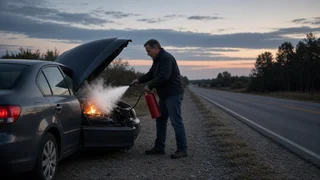
An extinguisher is for small, early fires. Personal safety comes first, and the vehicle can be replaced.
Signal, pull over somewhere safe, and turn off the engine. Get everyone out and well away from the vehicle, and keep traffic in mind. Call 911. Don't fully open the hood. Fresh air can make an engine fire flare up. If you can do so safely, aim the extinguisher through a gap such as the grille or wheel well. Use the PASS method: Pull the pin, Aim at the base of the fire, Squeeze the handle, and Sweep side to side. If the fire grows, spreads to the cabin, or involves the fuel tank, stop and move away. Let firefighters handle it. Electric and hybrid vehicles have high-voltage battery packs. Battery fires can reignite and are hard to put out with a handheld extinguisher. Leave the vehicle and tell the emergency dispatcher it is an electrified vehicle.
Upkeep after purchase
Check the gauge and the mount regularly. Vibration in a vehicle can loosen brackets and cause dry chemical to settle and pack down, so follow any shaking or inspection instructions on the label. After any discharge, even a short one, recharge or replace the unit, because a partly used extinguisher may not work next time. The manufacturer's label or manual should state the service interval and service life. This guide could not confirm those figures for H3R products.
What this guide could not confirm
No verified H3R specifications, ratings, capacities, prices, current model names, bracket fitment lists or test results were available for this guide. Before you buy, confirm these details from the product label, the manufacturer's documentation or the retailer's listing. If you need to meet commercial vehicle or motorsport rules, check the governing rulebook as well.