Buying Brake Caliper Grease: What to Look for Before You Head to Supercheap
The short answer
If you are buying caliper grease at Supercheap Auto or any other parts store, choose a product labelled specifically for brakes and check that it is safe on rubber. For most jobs, that means a synthetic or silicone-based brake lubricant for the slide pins, plus a high-temperature anti-squeal or ceramic-type paste if you also want to treat the pad contact points. General-purpose grease is not a substitute.
The main exception is your vehicle maker's instructions. Some manufacturers specify a particular lubricant, or say not to lubricate certain parts at all. Where the service manual says something different from this guide, follow the manual.
Why the type of grease matters
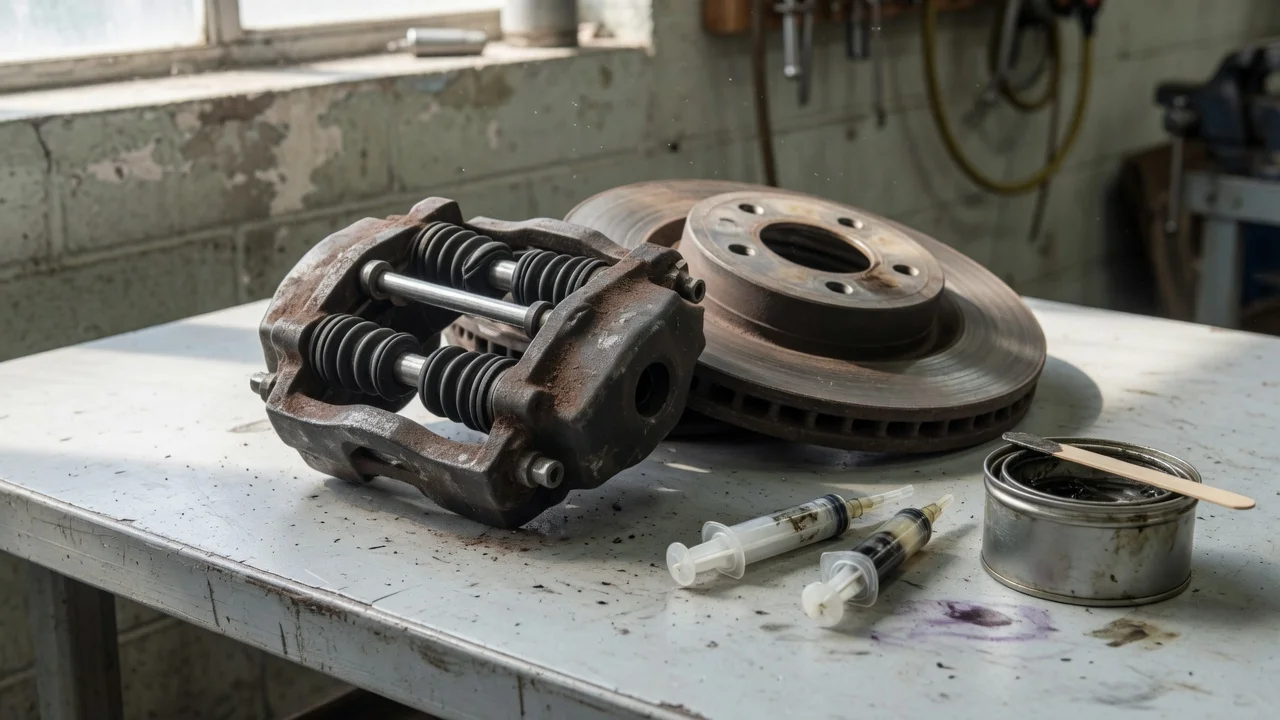
A typical floating caliper has two areas that may need lubrication, and each needs something different.
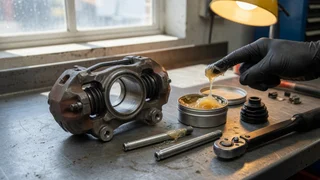
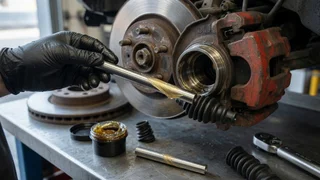
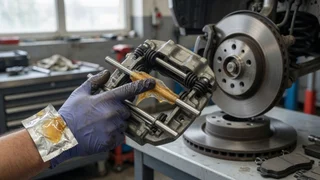
Slide pins (also called guide pins): the caliper slides on these and they sit inside rubber boots. The grease must not attack rubber, so petroleum-based or mineral grease is usually unsuitable because it can swell the boots and cause the pins to stick. Pad contact points: these are where the pad backing plate or its ears touch the caliper bracket or the abutment clips. These areas see high heat and vibration, so a high-temperature anti-squeal or anti-seize style paste is common. That product is not always rubber-safe, so it should not go on the slide pins unless the label says it is suitable for both.
Some brake lubricants are sold as suitable for both areas. If you only want to buy one tube, look for a label that clearly lists slide pins and rubber components as approved uses, along with high-temperature metal contact points.
What to check on the label in store
Stated use: the words caliper, slide pin or brake should appear in the intended applications. Rubber and seal compatibility: look for wording such as safe on rubber, EPDM-compatible or suitable for boots and seals. This matters most for slide pins. Base type: synthetic, silicone or ceramic brake lubricants are the usual choices. Be cautious about using petroleum-based grease near rubber. Temperature rating: brake products usually state an operating range. Compare this with how you use the vehicle, for example towing or mountain driving, rather than assuming every product is equivalent. Copper content: copper anti-seize is widely sold, but some vehicle makers advise against it near ABS sensors or on certain components. Check your manual before using it.
Where never to put it
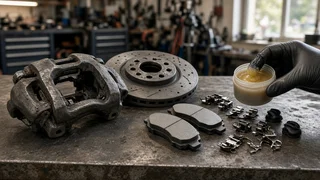
Keep all grease off the pad friction material, the disc rotor faces and the inside of the caliper piston bore. Brake fluid systems use their own assembly lubricants, and contaminating the friction surfaces reduces braking performance. If grease reaches the pads, they generally need replacing rather than cleaning.
Matching the product to your vehicle
Lubrication requirements can vary between makes, model years and brake designs. Fixed multi-piston calipers have no slide pins, while some systems use coated pads or shims that the maker says should be left dry. Before buying, check the brake section of the service manual for your exact vehicle, including model year, market and trim, or ask the parts counter to confirm the recommendation for your vehicle.
Information gaps
This guide does not include Supercheap's current range, brand names, pack sizes, prices or stock levels, because that information was not available when it was written. Check the store or its listings for what is currently on the shelf, then use the label checks above to choose between the options.