Why Does a Car Use More Energy in Strong Headwinds?
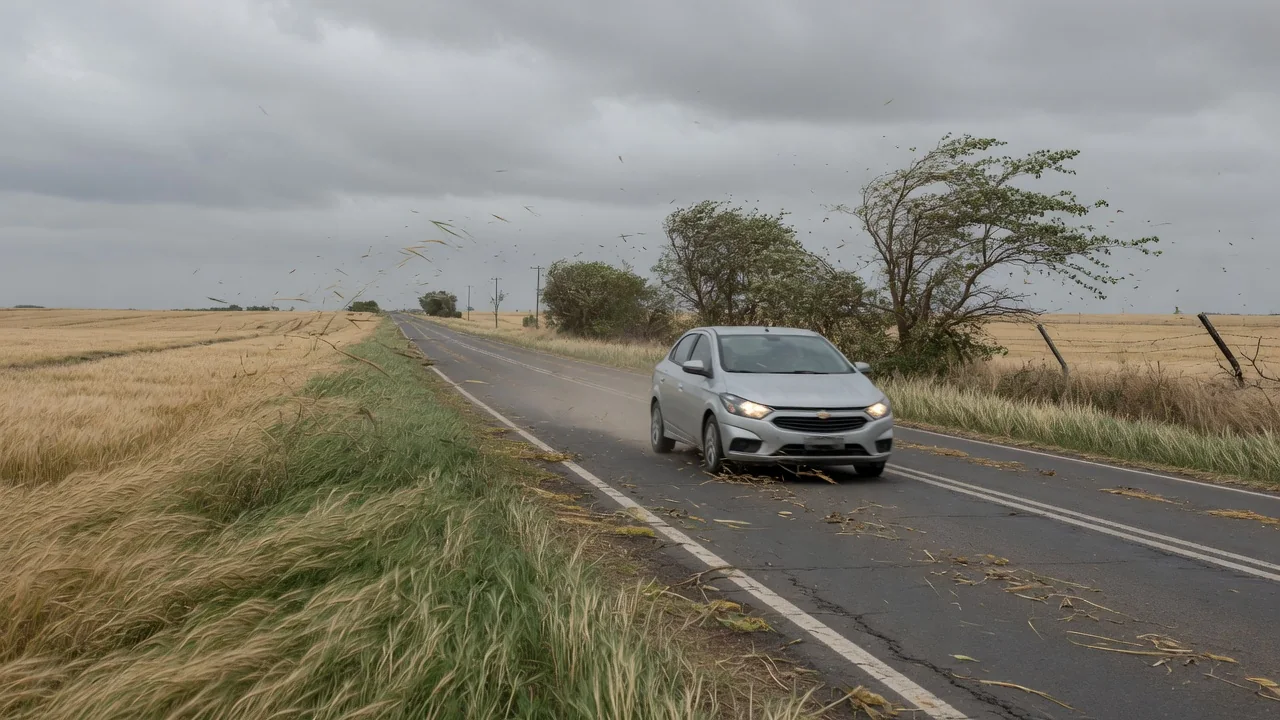
Drivers often ask why does a car use more energy in strong headwinds, even when the speedometer shows the usual cruising pace. The answer lies in how air resistance behaves: the car must push through air that is already moving toward it, so the aerodynamic load rises well beyond what road speed alone suggests. Understanding that relationship helps with fuel planning, electric range and realistic trip expectations.
Relative air speed
Aerodynamic drag depends on how fast air moves across the body, not how fast the tires roll over the pavement. On a calm day the two are the same. With a headwind, the wind speed adds to the road speed, so a car holding a steady highway pace meets air as though it were traveling considerably faster. Because drag force grows with the square of that relative air speed, a modest increase in airflow produces a disproportionately larger push against the vehicle.
The power needed to overcome drag climbs even more steeply, since the engine or motor must supply that greater force continuously over every mile covered. Body shape matters here: a low sedan with a smooth underbody disturbs less air than a tall pickup, a boxy van or a vehicle carrying a roof box. Drivers may notice a louder rush of wind around the mirrors and pillars, a deeper throttle position at the same speed, or a transmission downshifting on grades it normally climbs easily.
Range estimate
A range estimate, whether a distance-to-empty figure in a gasoline car or a projected mileage readout in an electric vehicle, is usually built from recent consumption and the energy remaining. A sustained headwind raises consumption per mile, so the displayed figure tends to fall faster than the odometer advances. The drop can look alarming because the estimate was often calculated in calmer conditions, perhaps in town at lower speeds where aerodynamic drag plays a much smaller role.
How quickly the readout adapts varies by manufacturer. Some systems lean on a long driving history and respond slowly, while others weigh the last few miles heavily and swing sharply. Certain navigation-linked systems account for forecast weather and elevation, while others consider only past efficiency. Electric vehicles tend to make the effect more visible, simply because their drivers watch remaining range closely and highway cruising already draws heavily on the battery. The instantaneous consumption display usually reveals the change sooner than the range number does.
Planning margin
Because wind strength and direction shift along a route, a sensible planning margin matters more than any single rule of thumb. A trip that comfortably reaches a charger or fuel station in still air may arrive with far less reserve when the wind blows against the car for hours. Open plains, coastal highways and long bridges offer little shelter, while wooded or hilly sections may break up the flow. Checking the forecast against the direction of travel shows which legs deserve extra reserve.
Speed is the most effective adjustment available to the driver. Since the load depends on combined air speed, easing off slightly lowers the relative airflow and can recover a meaningful share of the lost efficiency without adding much time. Stopping earlier than planned, choosing a closer charging point, or leaving with a fuller tank or battery are equally practical buffers. The return leg may benefit from a tailwind, though the gain does not fully cancel the penalty, because drag rises faster against the wind than it falls with it.
Everyday Use and Observations
In daily driving the effect is easiest to spot on a familiar commute. A highway stretch that normally returns a consistent trip-computer average may show noticeably worse figures on a blustery day, then better ones on the way home. Around town, where speeds are low and stops are frequent, wind makes far less difference because rolling resistance, acceleration and accessory loads dominate. Cruise control can make the change obvious, as the vehicle adds power on its own to hold the set speed.
Winds are rarely perfectly head-on. A quartering wind strikes the car at an angle, which can increase the effective area presented to the airflow and raise drag while also tugging at the steering. Roof racks, bike carriers, open windows and towed trailers amplify the penalty because they add turbulence. Following a large truck at a safe, legal distance may slightly calm the air, but tailgating for the sake of efficiency is dangerous and never worth the risk. Cold, dense air can deepen the effect further.
Limits and Next Steps
Wind explains many temporary efficiency drops, but not all of them. Rain-soaked roads, low temperatures, heater or air-conditioning use, underinflated tires, heavy cargo and climbing terrain raise consumption as well, and several often arrive together with stormy weather. No universal figure describes the loss, because it depends on vehicle shape, speed, wind angle and drivetrain. Comparing trips on the same route in calm and windy conditions gives a more honest picture than any generic estimate.
If consumption stays high after the weather settles, the cause probably lies elsewhere. Checking tire pressures against the placard, removing unused roof accessories and noting whether the brakes feel like they are dragging are reasonable first observations. A persistent change accompanied by warning lights or rough running merits a professional inspection, since diagnosis depends on the specific vehicle. Otherwise, treating strong headwinds as a normal, predictable load, and adjusting speed and reserve accordingly, keeps journeys relaxed and well within the vehicle's real capability.