What Is Gross Vehicle Weight Rating?
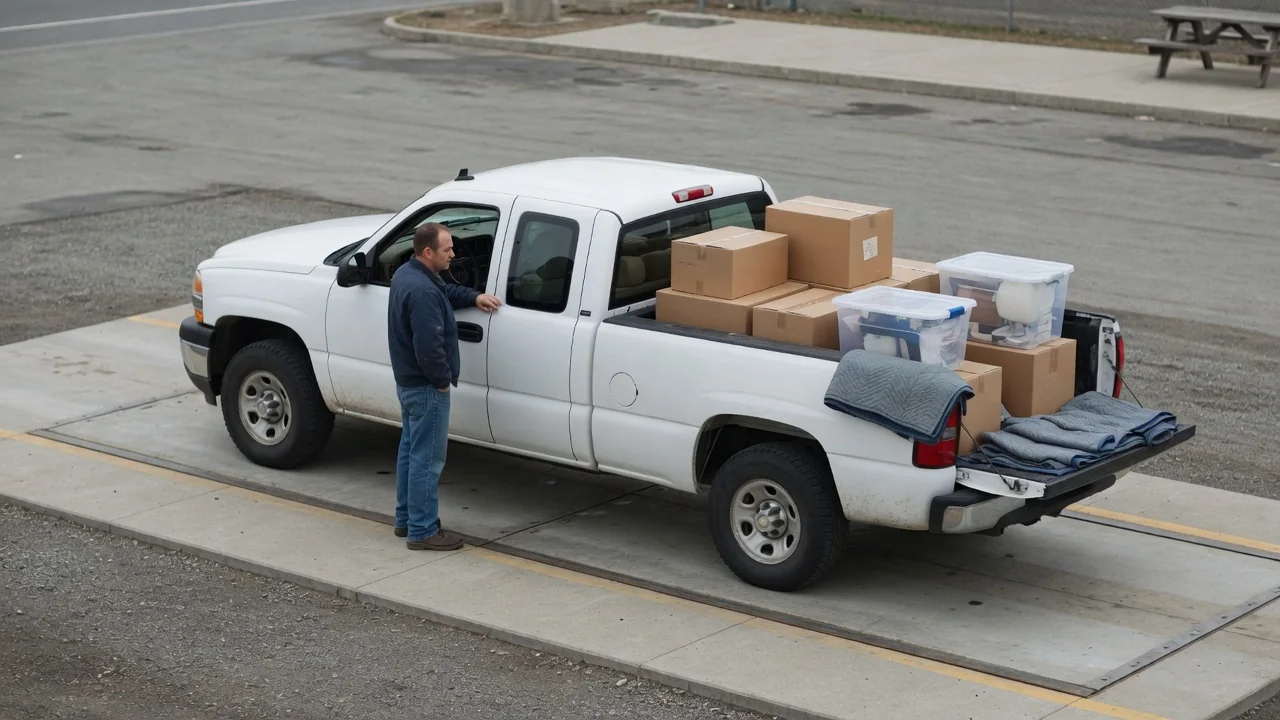
Gross vehicle weight rating, usually shortened to GVWR, is the maximum total weight a manufacturer says a vehicle may safely weigh when fully loaded. So what is gross vehicle weight rating in practical terms? It is a ceiling that covers the vehicle itself plus everything it carries: people, luggage, fuel, accessories, and the downward force of any trailer on the hitch.
Passengers and cargo
The rating counts everything on board, and the vehicle's own empty weight uses up most of it. What remains is payload, the allowance for occupants, cargo, and added equipment. Every person in a seat draws from that allowance just as a suitcase or a bag of concrete does. A family of five with a packed cargo area can consume the available margin faster than many drivers expect, especially in smaller crossovers and sedans where the gap between empty weight and the rating is modest.
Cargo is not limited to items in the trunk or bed. Roof boxes, bike racks, toolboxes, aftermarket bumpers, and a bed cover all add weight that stays with the vehicle on every trip. When towing, the tongue weight pressing down on the hitch also counts against the rating, even though the trailer rides on its own wheels. Payload varies widely between trim levels of the same model, because options such as four-wheel drive, larger engines, and sunroofs raise the empty weight.
Placard
The rating is not a number drivers have to estimate. Manufacturers print it on a certification label, typically found on the driver's door edge or door jamb, alongside gross axle weight ratings for the front and rear. A separate tire and loading information placard usually sits nearby and states the combined weight of occupants and cargo that should never be exceeded, together with the original tire size and recommended cold inflation pressures.
These labels apply to the vehicle as it left the factory, which is why two trucks that look identical can show different figures. Cab style, bed length, drivetrain, suspension package, and tire specification all influence the numbers. Dealer-installed or owner-added equipment is generally not reflected, so its weight has to be subtracted from the stated allowance. If a label is missing, faded, or unreadable, the owner's manual and the manufacturer or dealer can confirm the correct values for that specific vehicle.
Loading
Staying under the total is only part of loading correctly, because where the weight sits matters as well. Each axle carries its own rating, and a vehicle can remain below its overall limit while overloading the rear axle. Heavy items stacked behind the rear wheels of a pickup, or a trailer with substantial tongue weight, shift load rearward and lighten the front end. That can affect steering feel, headlight aim, and the grip available at the front tires under braking.
Placing dense cargo low and as close to the space between the axles as practical helps keep the vehicle balanced and its center of gravity down. Loads carried on the roof raise that center of gravity and are subject to their own limit, which is commonly well below what the cabin can hold. Securing items so they cannot slide during a hard stop is equally important. Tire pressure recommendations may also differ for a fully loaded vehicle, a detail often noted in the owner's manual.
Everyday Use and Observations
Most commuting never approaches the rating, yet certain situations bring it close surprisingly quickly: a vacation with every seat filled, a home improvement run for pavers or bagged soil, or a weekend with a camper in tow. Building materials are particularly deceptive because they are dense, so a load that barely fills a truck bed may weigh far more than it appears. Wet materials such as soil, sand, or firewood weigh more again than the same volume when dry.
A heavily loaded vehicle usually gives clues. The rear may sit visibly lower, the suspension can bottom out over bumps, and tire sidewalls may bulge more than usual. Drivers often notice slower acceleration, longer stopping distances, more body lean in corners, and steering that feels vague or light. None of these signs measures weight precisely, and a stiffly sprung truck may look level while overloaded. A public scale, such as those at truck stops or landscape suppliers, provides an actual figure to compare against the label.
Limits and Next Steps
The rating reflects what the manufacturer engineered and tested the frame, suspension, axles, brakes, wheels, and tires to handle together. Exceeding it can lengthen braking distances, overheat tires, accelerate wear on driveline and suspension parts, and reduce stability in an emergency maneuver. Aftermarket helper springs or air bags may level the stance, but they do not change the certified figure on the label. Depending on where the vehicle is driven and how it is used, overloading may also carry legal, warranty, or insurance consequences.
It also helps to separate this rating from related terms. Curb weight describes the vehicle empty, gross axle weight ratings cap each axle, towing capacity addresses the trailer being pulled, and gross combined weight rating covers the vehicle and trailer together. A sensible next step is to read the door labels, add up the realistic weight of passengers, gear, and accessories, and weigh the loaded vehicle when the estimate runs close. If the numbers regularly exceed the allowance, lightening the load or choosing a more capable vehicle is the reliable answer.