What Does Curb Weight Mean for a Car?
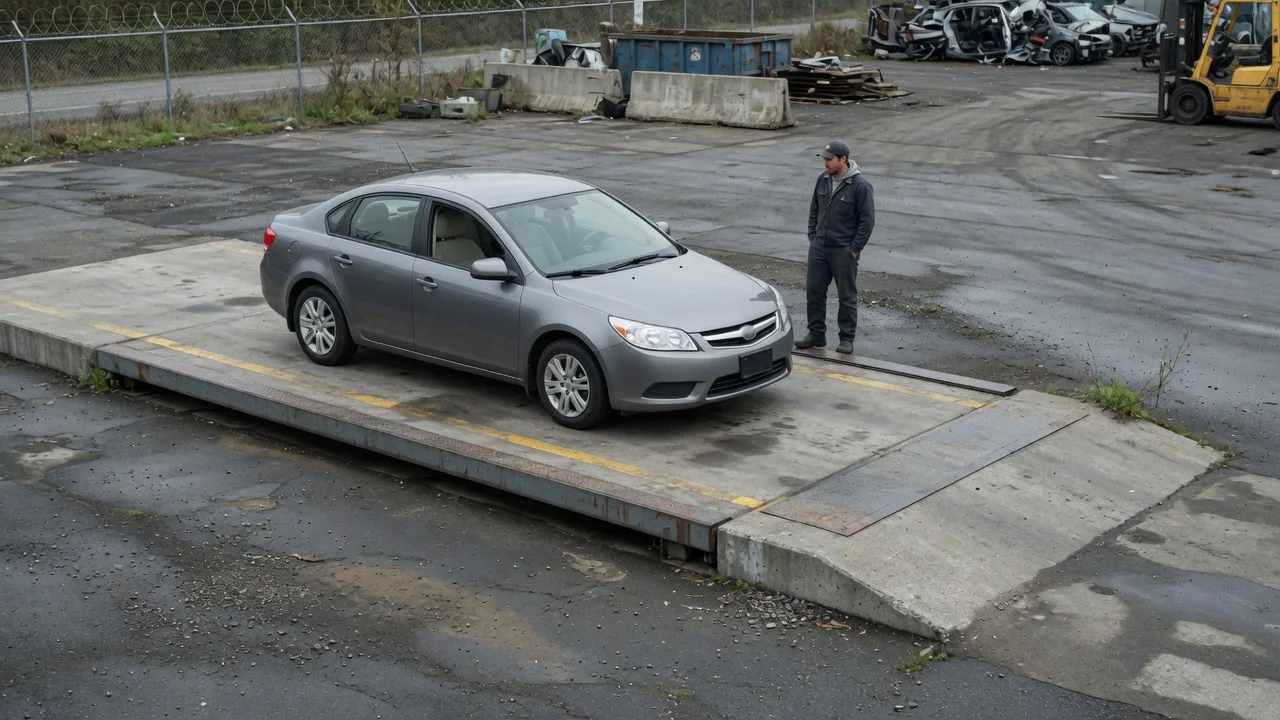
Curb weight is the figure a manufacturer publishes for a vehicle as it sits ready to drive, with standard equipment and necessary operating fluids on board but no passengers or cargo. Understanding what curb weight means for a car helps you compare models, read towing and payload ratings correctly, and make sense of why two similar-looking vehicles can weigh noticeably different amounts.
Included fluids
A curb weight figure assumes the car is ready to run rather than drained and dry. That generally means engine oil, coolant, transmission fluid, brake fluid, power steering fluid where fitted, and washer fluid are all at their normal levels. Fuel is counted as well, though how much depends on the standard the manufacturer follows; many figures assume a full tank, while some regional conventions use a partly filled tank. That difference alone can shift the published number by a meaningful amount on a vehicle with a large tank.
Fuel is the fluid drivers can most easily observe changing the real weight. Gasoline weighs roughly six pounds per gallon, so a car on a near-empty tank sits measurably lighter than the same car just filled up. Electric vehicles work differently, because the battery pack is a fixed mass that does not change with state of charge, yet they still carry coolant for the battery and motors. Dry weight, a figure sometimes quoted for motorcycles and sports cars, excludes these fluids and should not be confused with curb weight.
Options
Published curb weight usually describes a specific trim with standard equipment, and options push the real figure upward. A larger engine, all-wheel drive hardware, a panoramic glass roof, power-adjustable seats, bigger wheels, and premium audio systems all add mass. A base sedan with a four-cylinder engine and front-wheel drive can weigh considerably less than the top trim of the same model with a larger engine, an extra differential, and a driveshaft running to the rear axle. Manufacturers often list a separate figure for each configuration.
Dealer-installed and aftermarket additions fall outside the factory figure altogether. A trailer hitch, running boards, a bed liner, roof rack, skid plates, or a winch bumper all become part of what the vehicle actually weighs, even though the brochure never accounted for them. Trucks show the widest spread, since cab size, bed length, and drivetrain choices combine into many variants. When precision matters, the number tied to your exact configuration is more trustworthy than a general figure quoted for the model line.
Why it matters
Curb weight is the starting point for nearly every other weight rating. Subtracting it from the gross vehicle weight rating, the maximum the vehicle is designed to weigh when loaded, gives the payload available for passengers, luggage, and cargo. A heavier optioned vehicle with the same gross rating therefore has less capacity left over. Towing calculations depend on it too, because the combined weight of vehicle, occupants, and trailer has to stay within limits the manufacturer sets for the drivetrain, brakes, and chassis.
Mass also shapes how a car behaves. A heavier vehicle needs more energy to accelerate and more braking effort to stop, which influences fuel economy, electric driving range, tire wear, and brake life. Lighter cars tend to feel more responsive in corners, while added weight can contribute to a planted, settled ride on the highway. Engineers tune suspension springs, dampers, and tire load ratings around the expected weight, which is why comparing curb weights between two models offers a useful clue about their character.
Everyday Use and Observations
In daily driving, the car almost never weighs its curb figure. Add a driver, a passenger or two, groceries, tools in the trunk, and a child seat, and the actual weight climbs well above the published number. Most owners notice the effect indirectly: the rear sits lower with a loaded cargo area, acceleration feels softer with a full cabin, and stopping distances stretch slightly. Fuel consumption on a vacation trip with a packed car commonly runs higher than on a solo commute.
Finding the figure for your own vehicle takes a little looking. The owner's manual and manufacturer specification sheets typically list curb weight, while the placard on the driver's door jamb usually shows the gross vehicle weight rating, axle ratings, and the combined weight of occupants and cargo the vehicle can carry rather than curb weight itself. Registration documents in some states record an empty or shipping weight that may follow a different definition, so numbers from separate sources will not always match exactly.
Limits and Next Steps
Curb weight has limits as a measurement. It is a nominal figure for a representative vehicle, not a guarantee for the one in your driveway, and definitions vary between manufacturers and markets. Some European figures, for example, include an allowance for a driver, which makes direct comparison with a US figure misleading. It also says nothing about how weight is distributed between the front and rear axles, which matters for handling, traction, and staying within each axle's individual rating.
When an accurate number matters, such as before buying a trailer, loading a truck camper, or choosing a vehicle lift or jack, weighing the vehicle is the most reliable step. Public scales at truck stops, landscape supply yards, and some recycling centers can provide an actual reading with your usual equipment aboard. Compare that result with the ratings on the door placard and in the owner's manual, and treat the manufacturer's vehicle-specific documentation as the final authority whenever published figures disagree.