How to Approach Your Vehicle Parked at a Curb
Approaching a vehicle parked at a curb demands a moment of deliberate observation before you reach for the door handle. Your safety depends on reading traffic flow, checking mirrors and blind spots, and understanding how the operating state of nearby vehicles may change. Whether you are returning to a driver-side door beside moving cars or approaching from the passenger side, the sequence you follow reduces risk. This guide explains the essential answer, then outlines a practical procedure. It covers visual scanning, key readiness, door control, and the system response you should expect from your own vehicle before entering traffic.
Direct answer
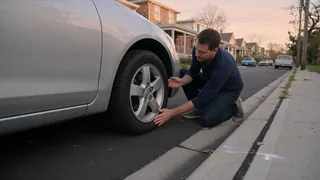
Before approaching your vehicle parked at a curb, stop at a safe distance and scan the full scene. Check for moving traffic in the adjacent lane, bicycles, pedestrians, and vehicles pulling away from the curb. Approach from the sidewalk side when possible, and if you must walk in the roadway, stay close to parked cars while facing oncoming traffic. The core answer is to establish a clear view of hazards, keep your key or fob ready without distraction, and avoid stepping into a travel lane until you have confirmed it is clear.
The vehicle configuration also shapes the correct approach. A driver-side door against traffic requires a different look than a passenger-side door opening into a bike lane. The function label on a mirror or door switch may tell you how the vehicle will respond when unlocked, but it will not replace your own visual check. The goal is to match your movement and door opening sequence to the road environment. This prevents the common mistake of opening a door into a vehicle, cyclist, or pedestrian that was hidden behind a pillar or mirror.
How to proceed
Stop roughly one arm’s length from the rear corner of the vehicle and look back over your shoulder toward approaching traffic. Continue watching as you walk along the curb side, keeping the key fob in your hand but not unlocking the doors until you are close. At the door, glance at the side mirror and through the rear window before pressing the unlock switch input. A quick press should produce a predictable system response, such as a flash of the turn signals or the sound of the locks cycling. Do not pull the handle immediately.
Open the door only after a final check of the mirror and a shoulder glance. Use the hand farthest from the hinge to limit how wide the door swings, and enter without lingering in the roadway. Once seated, close the door firmly and note the control module indicators on the instrument cluster. Confirm the door-ajar warning is off, then fasten your belt and adjust mirrors. This completion check verifies that the vehicle is secure and that you have not left a door partially open before starting the engine.