What Is Brake Bedding?
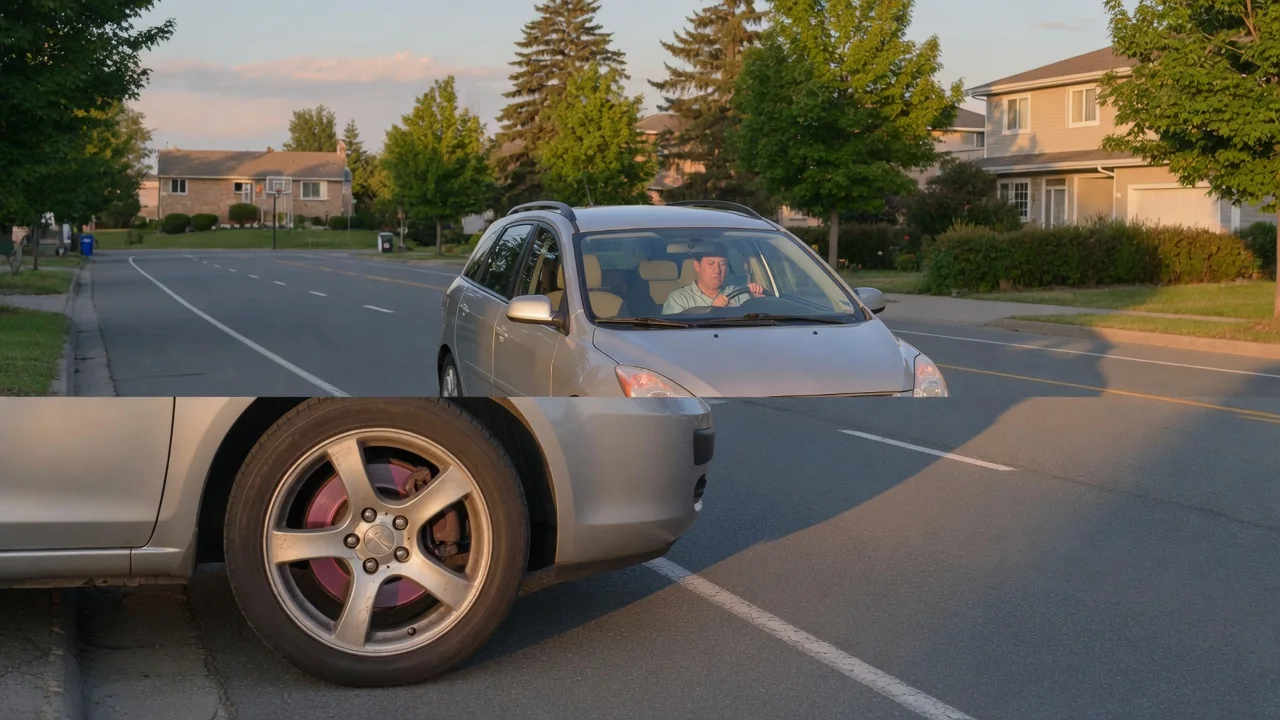
Anyone asking what is brake bedding is really asking how new pads and rotors learn to work together. Bedding, sometimes called break-in or burnishing, is a controlled series of stops after brake service that conditions the friction surfaces. Done properly, it helps the pedal feel consistent and the brakes work smoothly and quietly from the first weeks of driving.
Surface transfer
A brake pad does not simply rub against bare metal. During controlled heating, a thin, even film of friction material moves from the pad onto the rotor face, and much of the stopping force then comes from pad material gripping that deposited layer. Bedding is the deliberate process of building this transfer layer gradually, so it forms uniformly around the whole rotor instead of collecting in random patches where the pad happened to rest while hot.
On a freshly bedded rotor, drivers can often see the result: the swept area takes on a uniform gray or slightly bluish-gray tint rather than the bright machined finish of a new part. The appearance varies with pad chemistry. Organic and ceramic compounds tend to leave a lighter, smoother film, while semi-metallic pads may leave a darker one. Some rotors also arrive with a protective coating that the pads wipe from the swept area during the first stops.
Following installer guidance
There is no single universal bedding routine. Most procedures share a general shape, which is a series of moderate decelerations from road speed without coming to a full stop, followed by a period of driving with little braking so the parts can cool. The number of stops, the speeds involved, and the pedal effort differ among pad manufacturers and friction compounds, so the instructions packed with the parts or supplied by the shop should take priority over generic advice.
It is worth asking the installer whether bedding was already performed on the test drive, because some shops complete it before handing back the keys and some pads are pre-treated at the factory to shorten the process. If the job is left to the owner, it needs a quiet, open road where repeated slowing will not endanger anyone. Performance pads, towing packages, and vehicles with regenerative braking may call for a different approach, so vehicle-specific guidance matters.
Warning signs
When the transfer layer forms unevenly, the most common complaint is a vibration or pulsation felt through the pedal or steering wheel during braking. Drivers often describe this as warped rotors, yet patchy pad deposits that create slight variations in rotor thickness can produce the same sensation. Dark spots, a visible pad-shaped imprint, or blotchy bands on the rotor face point toward uneven deposits, though a measurement by a technician is needed to confirm the cause.
Overheating new pads before they are conditioned can glaze them, leaving a hard, shiny surface that grips poorly and may squeal. A strong burning odor, light smoke, or a pedal that grows long and soft after hard use suggests the brakes got too hot. A mild smell during the first drives is often just resins curing, but a pull to one side, grinding, or one wheel that is noticeably hotter than the others deserves prompt inspection.
Everyday Use and Observations
Even with a proper initial procedure, the surfaces keep settling during the first few hundred miles of ordinary driving. Many drivers notice that the pedal feels slightly different at first, with less initial bite or a little more travel than expected, and that the response firms up and becomes more predictable as the pads seat fully against the rotors. Leaving extra following distance during this period is sensible, since full friction performance may not be available yet.
Driving habits during those early miles shape the outcome. Holding the car stationary with firm pedal pressure right after a hard stop can press hot pad material into one spot on the rotor, so easing forward slightly or relying on a gentle hold is kinder to fresh parts. Long downhill grades, heavy loads, and repeated hard stops are best avoided at first. Light surface rust after rain or washing is normal and usually wipes away within a few stops.
Limits and Next Steps
Bedding conditions healthy parts; it does not repair faults. It will not cure a sticking caliper, seized slide pins, contaminated pads, air in the hydraulic system, or a rotor that is worn beyond its limit or mounted against a rusty hub face. If the old rotors were reused without resurfacing, leftover deposits from the previous pads can also interfere with the new transfer layer, particularly when the replacement pads use a different friction compound.
If vibration, noise, or weak braking continues after the break-in period, the next step is a return visit to the installer rather than repeating hard stops in hope of improvement. A technician can measure rotor runout and thickness variation, check pad contact and hardware, and decide whether a re-bed, a resurface, or replacement makes sense. Any warning light, fluid leak, or sinking pedal is a separate safety concern and should be checked before the vehicle is driven further.