What to Record After a Car Repair
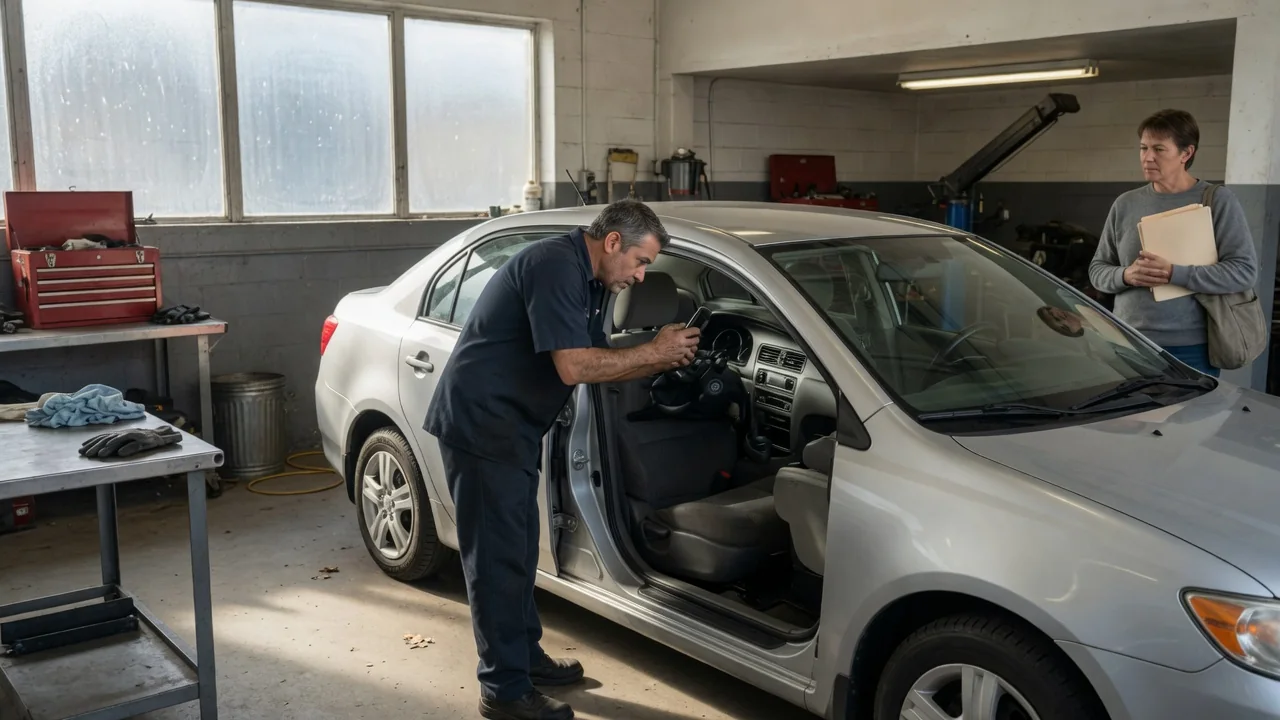
Knowing what to record after a car repair turns a stack of loose invoices into a usable history of the vehicle. A concise service log captures the date, the odometer reading, the work done, the parts fitted and anything that needs watching afterward. A few lines written the same day are enough, and they pay off when a symptom returns or the car changes hands.
Work performed
Start each entry with the date, the odometer reading and who did the work, whether a dealership, an independent shop or you in the driveway. Then describe the repair in plain terms that name the component and its location, such as front brake pads and rotors replaced, or the serpentine belt and tensioner renewed. Location matters because a later reader cannot tell which wheel bearing or which oxygen sensor was changed from a vague note that simply says a bearing or sensor was replaced.
Record the reason for the visit alongside the fix. Note the original complaint, such as a grinding noise under braking or a warning light, and any diagnostic trouble codes the shop read. A code points to a circuit or system that reported something out of range, so write down what testing confirmed rather than treating the code as the verdict. Some codes are manufacturer specific, and their meaning should be confirmed for your particular vehicle. Also log related work like fluid top-ups, alignments or software updates performed at the same time.
Parts and warranty details
For each part, copy the brand, the part number and whether it was original equipment, aftermarket, remanufactured or used, as shown on the invoice. That detail explains later behavior: an aftermarket brake pad compound may feel or dust differently from the factory one, and a remanufactured alternator carries different coverage from a new unit. Fluids deserve the same care, so note the type and specification of oil, coolant or transmission fluid that went in, because the correct grade depends on the vehicle and mixing incompatible products can cause trouble.
Warranty terms belong on the same line as the repair they cover. Write down how long parts and labor are covered, whether the limit is time, mileage or both, and who honors the claim, since a shop's labor guarantee and a part maker's warranty are often separate. Keep the invoice number and store the original receipt, or a photo of it, with the log. Terms vary widely between shops and suppliers, so record what your paperwork actually states rather than assuming a standard period applies.
Next checks
Many repairs come with follow-up items, and the log is the place to keep them from being forgotten. A shop may ask you to return so wheel fasteners can be rechecked after a tire or brake job, or advise a gentle bedding period for new pads. After cooling system work, the reservoir level is worth checking once the engine is fully cold over the next several drives. Write each instruction with the mileage or date it applies to, using the figures your shop or owner's manual gives.
Technicians also notice things they did not fix. If the invoice mentions a seeping valve cover gasket, tires wearing toward replacement or a battery that tested weak, copy that advisory into the log with the date. These notes turn into a watch list you can review before the next visit. When a fault code was cleared, note that the vehicle's self-tests need some ordinary driving to run again, which matters if an emissions inspection is coming up, and record whether the warning light stayed off.
Everyday Use and Observations
The first days of driving after a repair provide the best evidence of whether it worked. Jot down what you notice: whether the brake pedal feels firm and consistent, whether the steering wheel sits straight after an alignment, whether the original noise is gone at the speed where it used to appear. Include conditions, because a vibration that shows up only on a cold start or at highway speed tells a technician far more than a note saying the car feels strange.
Check the ground where you park and glance under the hood for fresh drips or residue, noting the color and position of anything you find. A new smell, a changed idle or a returning dashboard light is worth a dated line too, with the odometer reading. What counts as normal varies by vehicle; some new brake pads produce a brief odor, and certain transmissions shift differently for a while after service as they readapt. If an observation involves braking, steering or overheating, stop driving and contact the shop rather than just logging it.
Limits and Next Steps
A service log is a record, not a diagnosis. It shows what was done and what you observed, but it cannot prove that a part was faulty or that a repair addressed the root cause. If the same symptom or code returns, the entries give the technician a timeline to work from, including which components are already new. That narrows the testing but does not replace it, and a repeat fault may point to wiring, a connector or a related system rather than the replaced part.
Keep the format simple enough that you will actually maintain it, whether a notebook in the glovebox, a spreadsheet or a phone app, and back up photos of receipts. Compare your entries against the maintenance schedule in the owner's manual, since intervals and fluid requirements differ by make, model, engine and driving conditions. When coverage questions arise, the dated record and receipts support a warranty claim, and at sale time they show a buyer how the car was cared for. Anything unclear on an invoice is worth asking the shop to explain.