What Is a Two-Box Car Design?
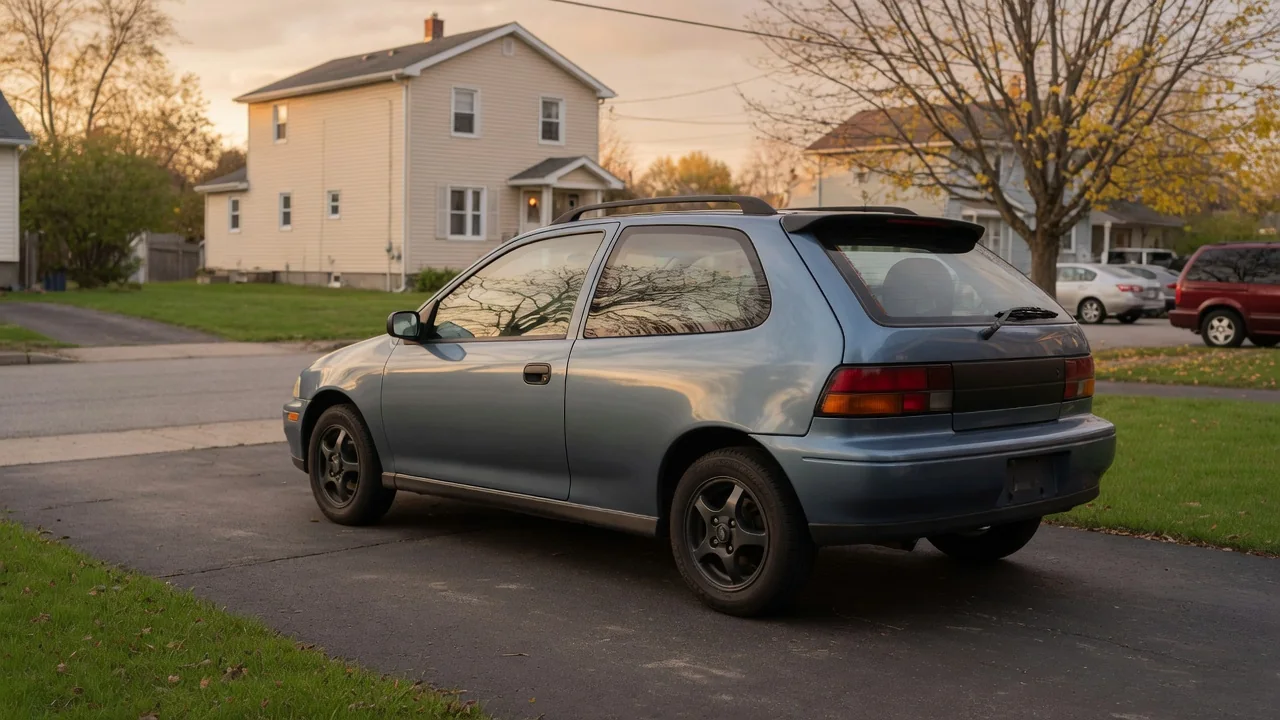
What is a two box car design? It is a body layout in which the engine compartment forms one visual volume while the passenger cabin and cargo area share a second. Hatchbacks, station wagons, and most SUVs follow this pattern. Understanding the silhouette helps explain why these vehicles load, sound, and feel different from sedans that carry luggage in a separate trunk.
Two volumes
Designers often describe car bodies by counting the distinct volumes visible in profile. A traditional sedan shows three: hood, cabin, and trunk, with the body stepping down at each end of the roof. A two-box body merges the last two, so the roof continues rearward over the cargo area before dropping at a tailgate. The first box holds the engine or, in many electric vehicles, a shorter front section containing electronics and sometimes a small storage compartment.
From the side, study the roofline and the rear pillars. If the glass and roof extend close to the rear edge of the vehicle with no separate deck lid, you are looking at two boxes. Compact hatchbacks, station wagons, crossovers, and full-size SUVs all qualify despite very different sizes. The boundaries blur with fastback and liftback shapes, where a sloping tail resembles a sedan, and with minivans whose short, steeply raked hoods approach a one-box profile.
Rear opening
Because the cabin and cargo area share one volume, the rear opening is usually a hatch or liftgate hinged at the roof, lifting the rear window along with the panel. This creates an aperture far taller than a sedan trunk lid allows, letting bulky objects such as boxed furniture or a bicycle pass through. Some wagons and SUVs have used split tailgates, side-hinged doors, or separately opening glass, so the hardware differs from one model to another.
Details worth checking in person include the height of the load lip, the width between the taillights, and how high the open gate rises. A tall liftgate may clear your head comfortably yet strike a low garage ceiling, and some powered versions allow an adjustable opening height, though that depends on the vehicle and trim. Gas struts or electric actuators support the panel, and their condition affects how reliably it stays raised on an older vehicle.
Packaging tradeoffs
The main advantage is flexibility within a given overall length. Folding rear seatbacks turn the cabin and cargo bay into one continuous space, so a short hatchback can swallow items that a longer sedan cannot. The squared-off tail also uses the room above the beltline, which a trunk leaves empty. Manufacturers vary in how flat the folded seats lie and whether the floor has a step, so published volume figures do not always reflect the usable shape.
The shared volume has costs. Without a fixed bulkhead behind the rear seat, road and tire noise from the rear suspension reaches occupants more readily, and engineers typically add insulation and reinforcement around the large opening to preserve body stiffness. Cargo is visible through the glass unless a cover is fitted, and odors or loose items share air with passengers. A blunt tail can also increase aerodynamic drag and collect road grime on the rear window, which explains the common rear wiper.
Everyday Use and Observations
In daily driving, the layout shows itself in small ways. Groceries sit directly behind the seatback instead of in a sealed compartment, so a cargo cover, net, or tie-down points help keep things in place under hard braking. The climate system must heat or cool a larger air volume, which some owners notice on very hot or cold days. Rear visibility depends heavily on pillar thickness, head restraints, and window size, and these differ widely between a boxy wagon and a coupe-styled crossover.
Parking is another practical point. Since the body ends shortly behind the rear wheels, small hatchbacks are easy to place in tight spaces, yet you still need clearance behind the vehicle to swing the gate upward. Pets and tall plants can travel upright in a way a trunk does not permit. During a test drive, listen for rattles from the cargo cover or the spare tire well, because sounds from the back reach the front seats directly.
Limits and Next Steps
The term is a styling and packaging description, not an engineering standard, so it has limits. It says nothing about drivetrain, ride height, crash performance, or build quality, and designers themselves disagree on where a fastback or a cab-forward van belongs. Marketing labels add confusion, since the same basic shape may be sold as a hatchback, sportback, crossover, or wagon. Treat the box count as a quick way to read a profile, not as a strict classification.
When comparing vehicles, use the silhouette as a starting point and then verify the specifics. Consult the manufacturer's published cargo dimensions, fold the seats yourself, and measure the opening against the items you carry most often. Check the owner's manual for load limits and tie-down locations, as these vary by model. Where a sedan and a hatchback version of the same car both exist, viewing them side by side makes the difference between three boxes and two immediately clear.