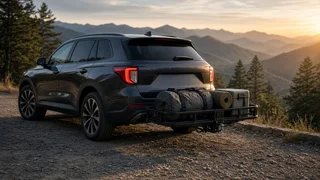
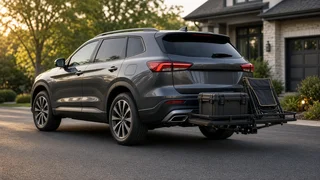
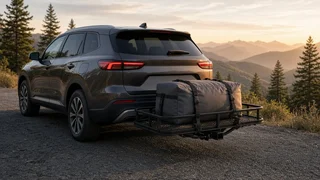
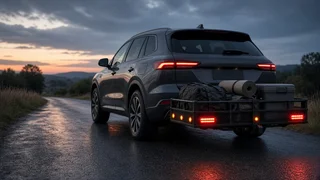
Enclosed hitch mounted cargo box
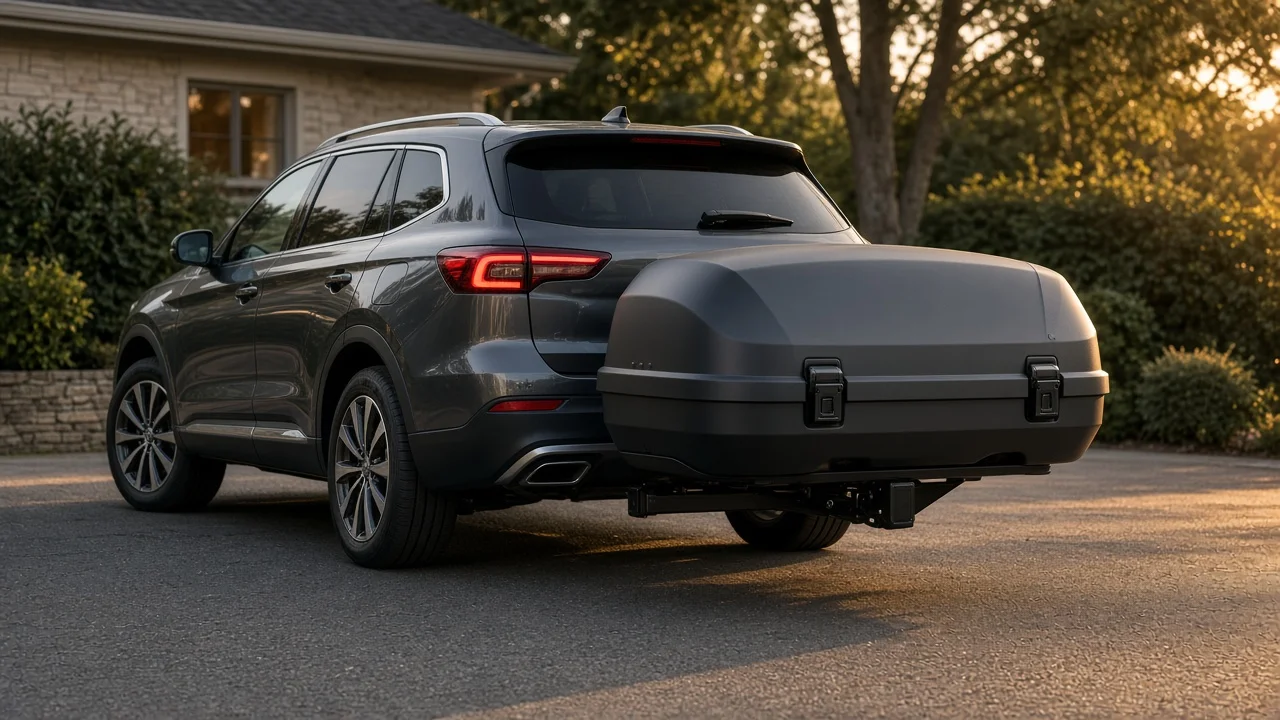
Choosing an enclosed hitch mounted cargo box starts with one practical question: how much lockable, weather-shielded capacity does your vehicle actually need beyond its cabin? A hitch-mounted enclosed cargo carrier turns the receiver hitch into a secure extension of the trunk, but only when the box matches the hitch rating, shank dimensions, ground clearance, and liftgate path. This guide explains the key purchase checks and trade-offs so you can evaluate surface material, corrosion protection, mounting points, and load rating without relying on unsupported claims or one-size-fits-all answers.
The direct answer
The immediate answer is that an enclosed hitch mounted cargo box can add useful secure storage, but it is not universally compatible. The receiver hitch must accept the carrier's shank size, the vehicle and hitch must have enough load rating for the empty box plus cargo, and the lifted tailgate or hatch must clear the box. If any of those conditions fails, the carrier will be unsafe or unusable even when the box itself is well built. Narrow your search by confirming hitch class, receiver opening, and the maximum tongue weight before comparing brands.
A cargo box for a hitch mounted carrier works best when the design seals out road spray and dust, the lid or door remains latched under vibration, and the mounting points transmit load without excessive rocking. Surface material and corrosion protection matter because the open location behind the vehicle exposes the box to stone strikes, wet spray, and winter de-icing chemicals. Check the mounting system for a way to reduce wobble, verify that the box can be opened without removing it where access matters, and keep total loaded weight comfortably below the lowest applicable limit.