Best Hitch-Mounted Cargo Carriers
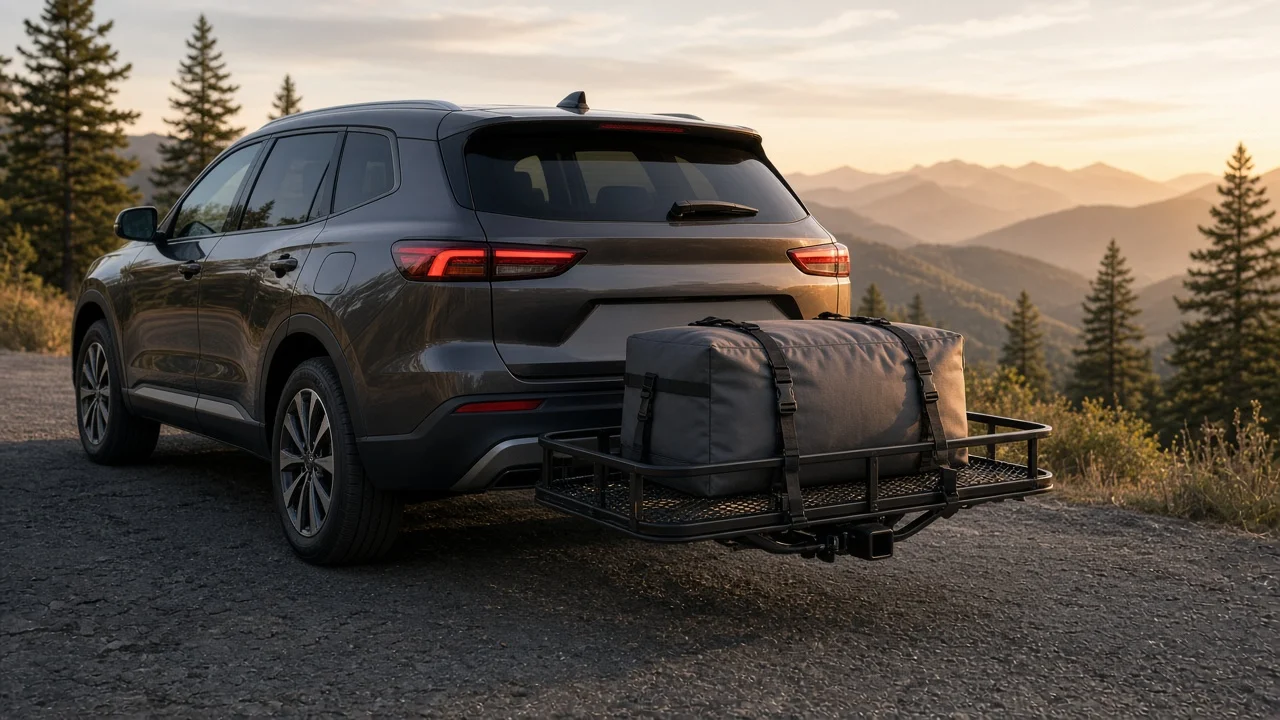
Choosing a receiver hitch mounted cargo carrier means matching the platform to your vehicle's hitch, loading needs, and routine driving conditions. The right carrier expands usable space without forcing gear inside the cabin or onto the roof. Important differences appear in load rating, platform size, mounting points, clearance around the bumper and exhaust, surface material, and corrosion protection. Product compatibility matters as much as capacity. A large carrier that suits a truck may compromise rear access or ground clearance on a compact hybrid. Understanding these variables helps you select a carrier that carries bulky luggage, camping equipment, or supplies securely.
Relevant entries
A useful selection starts with the receiver hitch itself, because the shank must fit the vehicle's hitch tube and remain stable under load. Most cargo platforms insert into a square receiver, and the connection benefits from a pin or locking device that limits wobble and movement. Load rating reflects what the rack can support, but the vehicle's hitch tongue weight is a separate limit. When comparing carrier designs, check whether the folded or fixed shank positions the platform far enough from the rear bumper to avoid contact during suspension movement or when opening a hatch.
Some platforms use steel tubing with a mesh or solid floor, while others use aluminum to reduce weight. Steel can feel rigid under heavy boxes, but it is more dependent on powder coating or paint for corrosion protection. Aluminum resists rust, though joints and hardware still need attention. A large hitch mounted cargo carrier with a raised rail can keep soft bags from sliding, while a smaller tray may suit a Prius or another car where hitch capacity is modest. The largest hitch mounted cargo carrier is not automatically the best choice when rear overhang and leverage reduce practical tongue capacity.
Several brands appear in owner searches, including K2, Kilimanjaro, Lund, Pro Series, Reese, and Rola, each representing a slightly different approach to tray design and features. A Rola 59502 style platform may focus on simple basket construction, while a Pro Series hitch mounted cargo carrier can offer foldable shanks or reinforced corners. The important comparison is not only the name but how the carrier's mounting points align with your hitch height and available clearance from the ground, exhaust outlet, and rear sensors. Confirm that the shank length and pin hole placement work with your receiver before assuming a universal fit.
A small hitch mounted cargo carrier makes sense when you need a stable base for a cooler or a few bins without adding excessive rear overhang. It also tends to weigh less, making it easier to install and remove from the hitch. A K2 hitch-mounted cargo carrier or similar compact tray may preserve more departure angle on driveways, while a large platform can scrape when the rear suspension compresses. Look for tie-down loops or rail slots that let you secure cargo from multiple angles, since shifting weight changes handling through corners and over bumps even when the gross load is within the stated rating.