What Is a Three-Box Car Design?
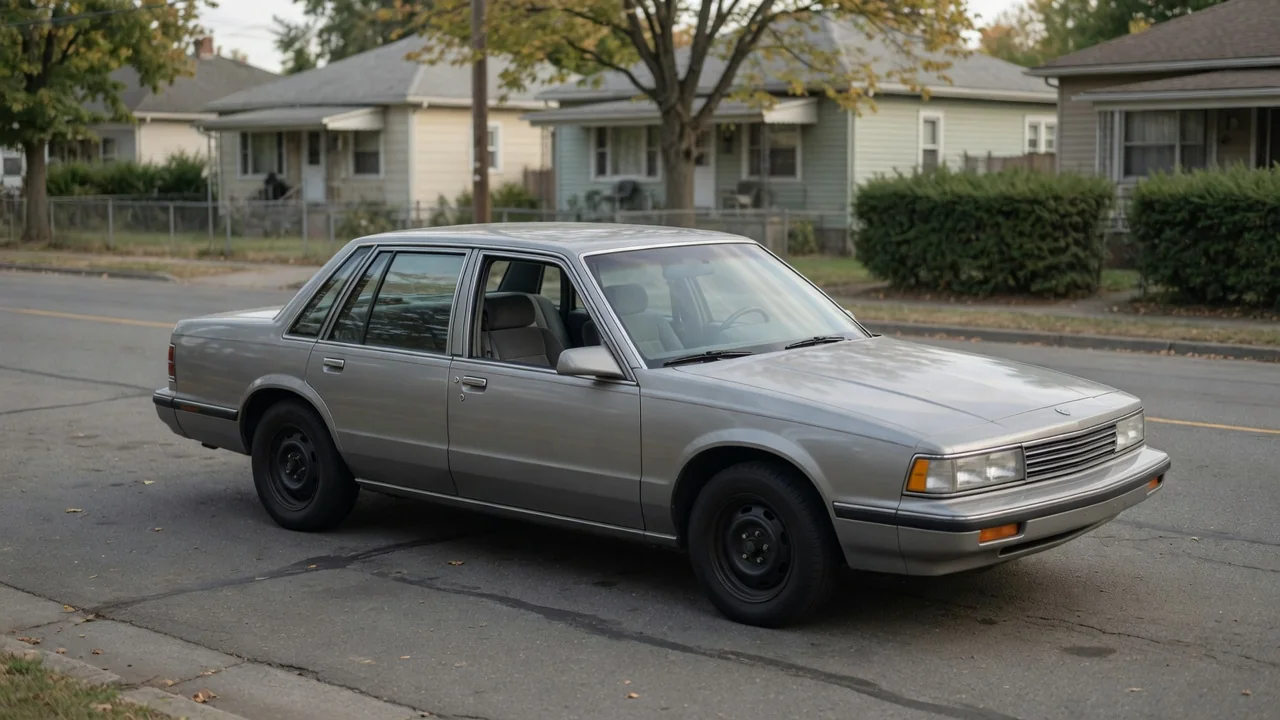
Anyone asking what is a three box car design is really asking about proportions. Viewed from the side, a traditional sedan divides into three distinct volumes: a hood covering the engine, a taller passenger cabin, and a separate trunk at the rear. That stepped silhouette shapes how the car looks, how it carries people and luggage, and how it compares with hatchbacks and wagons.
Three volumes
The first box sits ahead of the windshield and houses the engine or, in many electric cars, power electronics and sometimes a small storage compartment. The second box is the passenger cabin, defined by the roof, the pillars and the glass area that designers call the greenhouse. The third box is the trunk, a closed cargo compartment behind the rear seat. Each volume has its own visual mass, and the lines where they meet create the familiar notchback profile.
From the side, the clearest clue is the rear window. On a three-box car it drops to a roughly horizontal deck, forming a visible step before the tail, and the trunk lid opens separately while the glass stays fixed. The base of the windshield marks the other break, between hood and cabin. Proportions vary widely, though: a long hood and short deck suggest a rear-drive layout with a lengthwise engine, while a shorter nose and longer cabin often accompany a transverse engine driving the front wheels.
Common variations
Not every sedan wears its boxes equally. Many modern four-doors use a fastback-style roofline that sweeps gently into a short, high deck, softening the step so that the third box is suggested rather than sharply drawn. Aerodynamics drives much of this, since a smoothly tapering tail helps air leave the body cleanly. Coupes with a separate trunk follow the same three-volume logic with two doors, and many convertibles keep it as well, even with the roof folded.
The contrast becomes clearer beside other body styles. A hatchback or wagon is a two-box design, because cabin and cargo area share one volume reached through a rear door that lifts with the glass. Minivans and some city cars approach a one-box shape, with the hood blended into the windshield line. Liftbacks blur the categories: they can look like sedans in profile while the whole rear panel, window included, swings upward. Checking how the tailgate or lid opens settles the question faster than studying the silhouette.
Interior use
Separating the trunk from the cabin changes how the interior works. A fixed panel behind the rear seat, along with the parcel shelf beneath the back window, puts a barrier between passengers and whatever is rolling around in the cargo hold. That barrier tends to keep road noise from the rear wheel area, as well as odors from groceries or sports gear, out of the passenger space. It also hides luggage from view, which many owners value when parking in public.
The trade-off is flexibility. The trunk opening is limited by the lid's size and the height of the deck, so a bulky box that would slide into a hatchback may not pass through even when the volume inside is generous. Many sedans answer this with split-folding rear seatbacks or a small pass-through for long items such as skis, but the feature and the size of the opening differ by model and trim. Rear headroom also depends on how steeply the roof falls toward the trunk.
Everyday Use and Observations
In daily driving, the three-box shape shows itself in small ways. Loading suitcases means lifting them over a rear sill and into a deep, enclosed well, where they stay put instead of sliding toward the seats. A long trunk can be hard to judge when backing up, because the rear edge of the deck is often invisible from the driver's seat; that is one reason backup cameras and parking sensors are so helpful on sedans. The fixed rear window typically goes without a wiper.
A walk through any parking lot offers a quick lesson in proportions. Compare how far the hood extends ahead of the front wheels, how much of the overall length the doors and glass occupy, and how long the deck runs behind the rear window. Compact sedans often show a stubby trunk and a tall cabin, while larger luxury models stretch all three volumes. Electric sedans frequently shorten the hood and lengthen the wheelbase, since a battery under the floor frees designers from packaging a bulky engine.
Limits and Next Steps
The term describes a silhouette, not a specification. It says nothing certain about cargo capacity, rear legroom, drivetrain layout or crash performance, and two cars with nearly identical profiles can differ greatly in each. The label is also informal, so manufacturers may call a sloping-roof sedan a coupe or a liftback a sedan for marketing reasons. Treat the three-box idea as a way of reading shapes rather than a rule that sorts every vehicle into a tidy category.
For anyone comparing vehicles, the practical step is to look past the outline and check the details that matter in use. Open the trunk and note the width of the aperture and the height of the liftover edge. Fold the rear seats, if they fold, and see how large the pass-through really is. Sit in the back to judge headroom under the roofline. Published cargo figures and the owner's manual for the specific model fill in what the proportions alone cannot reveal.