What Is a Notchback Car?
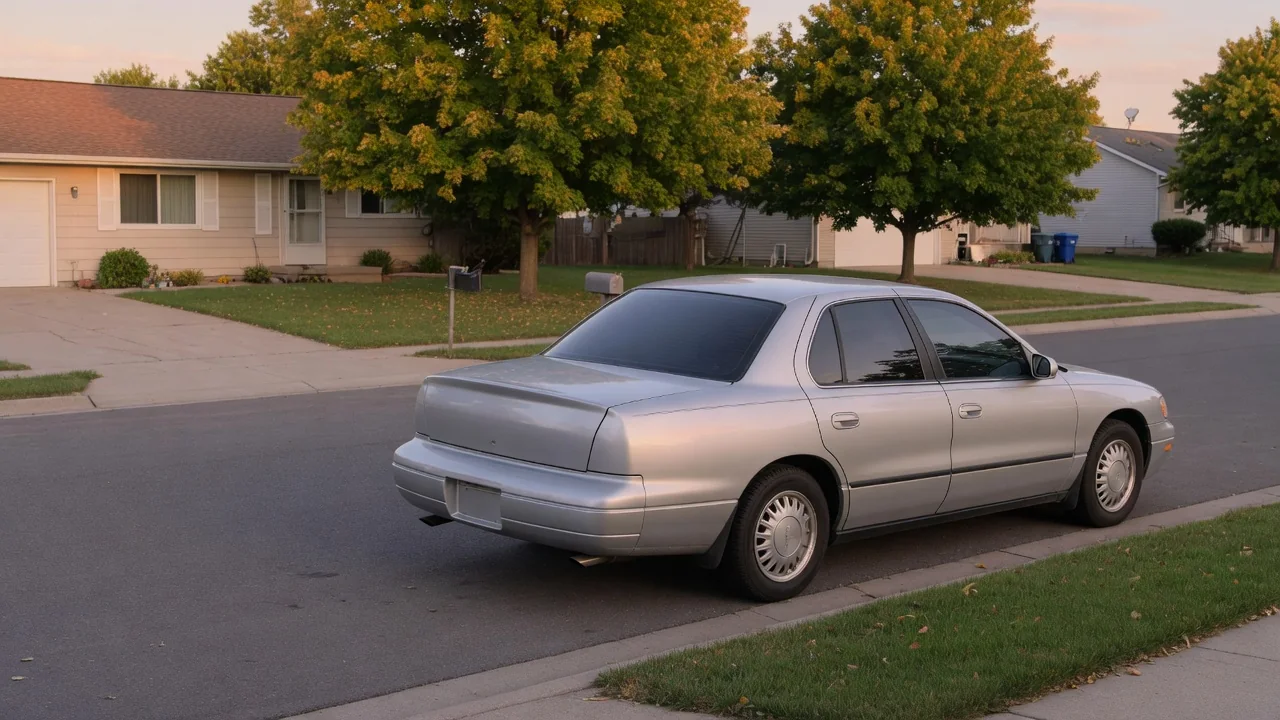
What is a notchback car? It is a body style in which the rear window drops to a distinct, roughly horizontal trunk deck, creating a visible step or notch in the side profile. That step gives the car a three-box shape: engine compartment, passenger cabin and cargo area read as separate volumes. The layout shapes how luggage, passengers and visibility are packaged.
Spot the separate deck
Stand beside the car and trace the roofline rearward. On a notchback, the roof ends at a rear window that slopes down to meet a flat or gently angled deck lid, and the line changes direction sharply at the base of the glass. That angle is the notch. A fastback, by contrast, carries one continuous slope from the roof to the tail, while a hatchback or wagon extends the roof over the cargo area, producing a two-box shape with no separate deck behind the glass.
The classic example is the conventional four-door sedan, though two-door coupes can be notchbacks as well, and some model lines have offered both a notchback and a fastback or hatchback body on the same platform. The boundaries are not always crisp. Many modern sedans use steeply raked rear glass and a short, high deck to reduce aerodynamic drag, so the notch may be subtle. Manufacturers also apply body style names loosely, which means the profile itself is a better guide than the badge or brochure wording.
Trunk opening layouts
In the traditional notchback layout, the rear window is fixed to the body and only the deck lid lifts. The hinges sit below the glass, and the opening is bounded by the rear panel, the tail lamps and the structure beneath the window. This creates an enclosed trunk that is separated from the cabin by the rear seatback and a parcel shelf. The opening height and the liftover lip vary widely, so two cars with similar profiles can load very differently.
Not every car with a stepped profile opens this way. Some designs, often called liftbacks, keep a notchback-like silhouette but hinge the tailgate at the roof so the glass rises with the lid, giving a much larger aperture. Hinge design also differs among true trunk lids: gooseneck arms swing down into the cargo space and can press on luggage, while strut-supported hinges mounted outside the load area leave the space clear. Checking where the cut lines run around the rear glass reveals which arrangement a particular vehicle uses.
Everyday use
A separate trunk has practical advantages in daily driving. Cargo is hidden from view without needing a retractable cover, and the fixed bulkhead and shelf help isolate the cabin from road noise, odors and loose items shifting behind the seats. The enclosed rear structure can also contribute to body stiffness, since there is no large tailgate opening cut into the shell. For commuters who carry groceries, briefcases or suitcases, the format works well, and the cabin can warm or cool faster because it does not share air with the cargo area.
The trade-off is flexibility. A trunk opening limits the height and width of what fits, so bulky objects such as boxed furniture or bicycles may not pass through even when the volume figure looks generous. Many notchbacks offer folding rear seatbacks or a center pass-through for long items like skis, but the opening between trunk and cabin is usually smaller than the seat itself, and some models have fixed seatbacks. Whether the feature is present, and how the seat splits, depends on the vehicle and trim level.
Everyday Use and Observations
From the driver's seat, the three-box shape changes what can be seen. The deck sits below the rear window line, so the very end of the car is often hidden in the mirror, and a high trunk can make judging distance while reversing harder. Backup cameras and parking sensors, where fitted, offset much of this. Rear glass on a notchback tends to stay cleaner than the upright glass of a hatchback because airflow detaches differently, which is one reason many sedans do without a rear wiper.
Rear passengers notice the profile too. Where the roof holds its height before dropping to the window, headroom over the back seat can be good; where designers pull the roofline down early for a sleeker look, taller occupants may find their heads close to the glass or headliner. Opening the trunk in rain is another small observation: because the lid does not expose the cabin, the interior stays dry, although water may run off the lid toward the opening depending on how the channels and seals are shaped.
Limits and Next Steps
The term has limits. Notchback describes a silhouette, not a size class, drivetrain or level of equipment, and it is not a regulated definition. One manufacturer may call a car a sedan, another a coupe or saloon, and a third may reserve notchback for a specific variant in its lineup. Published cargo volumes are also measured by differing methods, so numbers alone do not show whether a notchback will suit a given load compared with a hatchback of similar footprint.
The practical next step is to inspect the vehicle in person. Open the lid and look at the shape of the aperture, the height of the lip, the hinge type and whether the rear seatbacks release from the trunk or the cabin. Bring the items carried most often, such as a stroller, golf bag or large suitcase, and try them. Sit in the back seat to check headroom, then confirm the view rearward from the driver's position. The owner's manual and manufacturer documentation settle model-specific details.