Why Does a Glove Box Rattle?
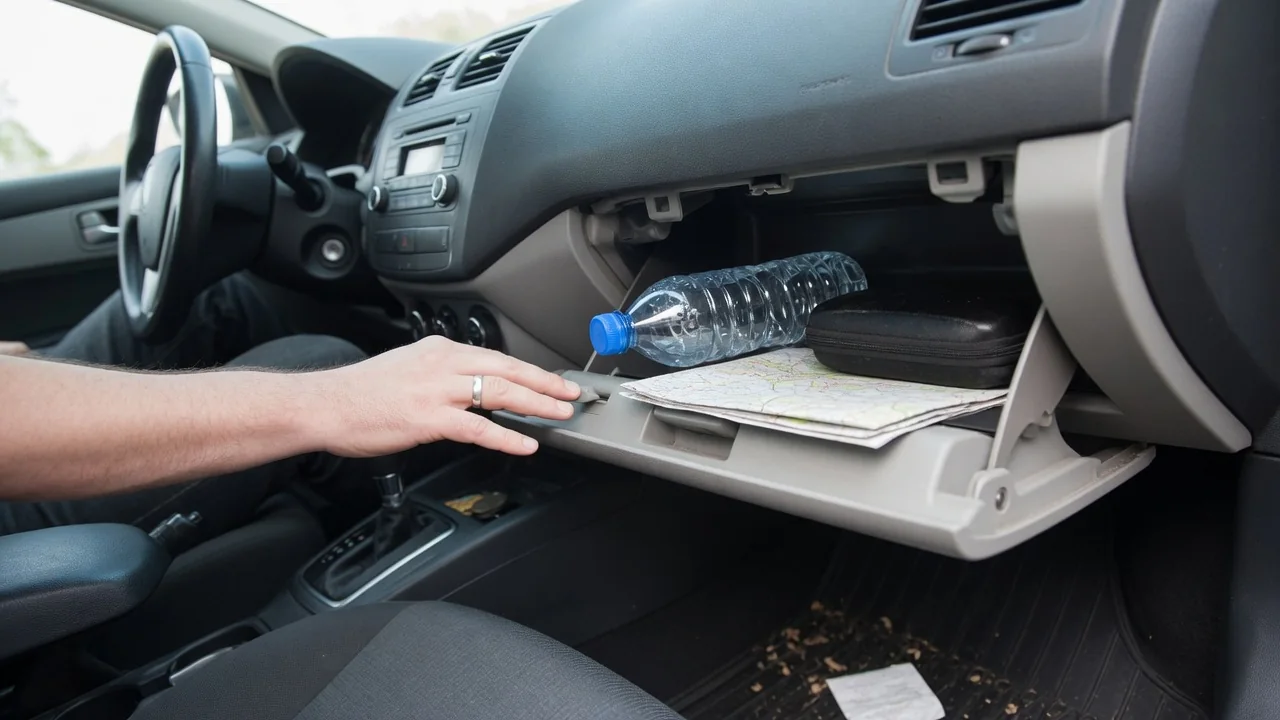
If you have ever wondered why does a glove box rattle, the answer usually comes down to three areas: loose contents shifting inside, a latch that no longer holds the door firmly against the dashboard, or hinges and stops that have developed play. Sorting through them in a sensible order saves time and avoids unnecessary parts.
Empty it
The simplest starting point is removing everything from the compartment. Tire pressure gauges, loose coins, pens, spare fuses, sunglasses and a hard-cover owner's manual can all tap against the plastic liner over rough pavement. Because the bin acts like a hollow drum, a small object can sound much larger than it is, and the noise often seems to come from deeper in the dashboard. Drive the same stretch of road with the compartment completely empty and listen for whether the sound changes or disappears.
If the noise vanishes, return items one group at a time until it comes back, which identifies the offender quickly. Soft pouches or a thin liner mat keep hard objects from touching bare plastic. If the rattle continues with nothing inside, the contents are ruled out and attention shifts to the door itself. Some vehicles also have a removable shelf, a cabin air filter access panel or a lamp housing inside the bin, and any of these can buzz when not fully seated.
Check latch
A glove box door is held shut by a latch that engages a striker, and the door rests against rubber or foam bumpers. When the latch wears, the striker shifts, or the bumpers compress or fall out, the door is no longer preloaded against the dash and can chatter over bumps. With the door closed, press gently on different corners while a passenger listens during driving. If light pressure silences the noise, the door is moving in its opening rather than something behind the panel.
Look at how the door sits when closed. Uneven gaps, a corner that stands proud, or a door that pops open with almost no effort all point toward latch or striker alignment. Designs vary considerably: some use a single center latch, others use twin side pins operated by a handle, and some lock with a key cylinder that adds its own small parts. Missing bumpers are easy to overlook, so compare both sides for matching stops and check for shiny rub marks on the plastic.
Add proper repair
Once the source is identified, the lasting fix addresses that part rather than masking the sound. Worn or missing bump stops are generally replaced with matching pieces, and many are threaded or adjustable so the door can be set to close with slight tension. A loose striker can often be repositioned and secured, while a latch with a broken spring or cracked housing usually needs replacement. Parts and adjustment methods differ between manufacturers, so vehicle-specific service information is worth consulting before removing anything.
Improvised fixes have limits. Stuffing foam or tape into the gap may quiet the door briefly, but adhesives soften in a hot cabin and thick padding can strain the latch or prevent it from catching fully. Thin felt tape designed for interior trim is a reasonable aid where two plastic surfaces rub, provided it does not change how the door closes. Take care around the passenger side of the dashboard, because airbag components and wiring may sit close to the compartment on many vehicles.
Everyday Use and Observations
Paying attention to when the noise occurs narrows the possibilities. A rattle that appears only on coarse or broken pavement suggests a loose door or contents, while a buzz at a particular engine speed points toward a vibration resonating through trim. Temperature matters as well, since interior plastics contract in cold weather and gaps open up, then tighten again as the cabin warms. A noise that fades after several minutes of heater use often fits that pattern rather than a broken component.
Hinges and dampers deserve a look during normal use. Many doors pivot on molded plastic pins or tabs at the lower edge, and these can crack or wear after years of the door being dropped open. Some compartments use a damper arm or side stops to control the opening, and a detached arm can swing and tap inside the dash. Open the door slowly and feel for side-to-side play, uneven movement or a door that falls open abruptly when it once lowered smoothly.
Limits and Next Steps
Not every noise from that side of the cabin belongs to the glove box. Sound travels through the dashboard structure, so a loose trim panel, a vent louver, a wiring harness clip, the blower motor area or a cabin filter cover can mimic a rattling door. If the compartment is empty, the latch holds firmly, the bumpers are present and the hinges are tight, yet the noise remains, the search needs to widen. Pressing on neighboring panels while driving safely with a helper can help locate it.
When the source stays hidden, a technician can use listening tools and trim-specific knowledge to trace it without damaging clips or panels. That is also the sensible route if the repair would involve removing dashboard sections near airbag components, or if the door or latch is broken in a way that keeps the compartment from staying closed. Describe when the noise happens, what has already been checked and whether pressure on the door changes it, since those details shorten the diagnosis considerably.