Weize Car Battery: What to Check Before You Buy

A Weize car battery can be a reasonable replacement if it matches your vehicle's group size, terminal layout, cold cranking amps (CCA) and battery chemistry, and if its warranty and return terms work for you. Weize is a brand sold mainly through online marketplaces. Its lineup has included AGM automotive batteries and lithium deep-cycle batteries. Two conditions change the answer. First, if your car has start-stop or a battery management system, the replacement usually has to be AGM, and some vehicles also need the new battery registered. Second, if the old battery died because of a charging or wiring fault, any new battery, Weize or otherwise, will fail the same way. Check the charging system before you buy.
First, Confirm the Battery Is Actually the Problem
Slow cranking, dim lights and a battery warning light often lead people to buy a new battery right away. These symptoms can also come from a weak alternator, corroded battery terminals, a loose ground strap or a parasitic draw. A parasitic draw is a circuit that keeps pulling current after the car is switched off. A quick look at the system can save you from installing a new battery into the same fault.
Measure resting voltage with the engine off and the car settled for a while. A healthy, fully charged 12-volt lead-acid battery typically reads around 12.6 volts. Readings well below that suggest a discharged or worn battery. Check charging output with the engine running. Most conventional charging systems hold system voltage somewhere in the high 13s to mid-14s. Smart charging systems may vary this on purpose, so compare against your vehicle's service information. Inspect the battery terminals and cables for corrosion, looseness or heat damage. Measuring voltage drop across a cable or connection while cranking shows resistance that a simple visual check can miss. If the battery keeps going flat after sitting, test for parasitic draw before replacing it. A shorter rest period between drains points toward a draw rather than an aging battery. Many parts stores will load-test a battery and check the alternator. That is a useful second opinion if you don't own a multimeter.
What to Match When Choosing a Weize Battery
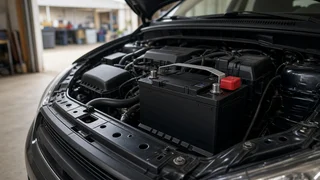
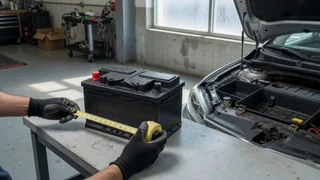
Battery fitment depends on the exact vehicle. Model year, market, trim and engine can all change the factory battery, and so can options such as a cold-weather package or start-stop. Start with your owner's manual, the label on your current battery, or a fitment lookup that asks for your full vehicle details. Then compare those requirements with the specifications on the Weize listing you are considering.
Specification | Where to find it | Why it matters; BCI group size (or DIN/EN size) | Old battery label, owner's manual, fitment lookup | Controls physical dimensions so the battery fits the tray and hold-down; Terminal position and type | Old battery, group size suffix such as R | Reversed posts can leave cables too short or put the positive terminal near metal; Cold cranking amps (CCA) | Owner's manual, old battery label | Starting power in cold weather; meet or exceed the original rating; Reserve capacity or amp-hour rating | Old battery label, listing | How long the battery can support electrical loads if charging stops; Chemistry (flooded, EFB, AGM, lithium) | Old battery label, manual, start-stop presence | Must suit the vehicle's charging strategy and electrical demand; Hold-down style and venting | Battery tray, factory hardware | Secure mounting; batteries inside the cabin or trunk may need a vent tube
If a listing gives a group size but leaves out the dimensions, terminal orientation or CCA, ask the seller or pick a listing that gives them. A battery that almost fits, or that has reversed terminals, causes more trouble than it saves.
AGM, Flooded and Lithium: Which Type Fits Your Car
An AGM (absorbent glass mat) battery is sealed and resists vibration. It also handles frequent deep cycling better than a standard flooded battery. Vehicles that came with AGM from the factory should generally stay with AGM. Going back to a flooded battery can shorten its life and may confuse the charging control. You can usually upgrade a car that originally had a flooded battery to AGM of the correct size, but on vehicles with a battery management system you may need to change the battery type setting.
Lithium batteries need extra care. Many lithium batteries sold under consumer brands are deep-cycle units for RVs, boats, solar setups or trolling motors, not engine-starting batteries. A deep-cycle lithium battery is not a drop-in starter replacement unless it is specifically rated for starting. It also needs to be compatible with your vehicle's charging output and the temperatures where you drive. Read the listing's intended use carefully before you buy any lithium product for a daily driver.
Start-Stop Vehicles and Battery Registration
Cars with automatic engine start-stop draw heavily on the battery and usually need an AGM or EFB battery. Many of these vehicles, along with others that use an intelligent battery sensor, also expect the new battery to be registered with the vehicle's computer. Registration tells the charging system that a fresh battery has been fitted, and sometimes what type and capacity it is. If you skip this step on a vehicle that needs it, the system can overcharge or undercharge the new battery. Check whether your specific vehicle needs registration and whether you have a scan tool that can do it, or plan for a shop to handle it.
Buying Online: Terms to Check
Weize batteries are mostly sold online, so the purchase terms matter as much as the battery itself. Read these on the specific listing at the time you buy, because they can change.
Warranty length, what it covers, and how claims work: who you contact, whether you need proof of a failed test, and who pays return shipping on a heavy battery. Return policy if the battery doesn't fit or arrives damaged. Manufacturing or ship date, if listed. Batteries slowly self-discharge on the shelf, so check the voltage on arrival and charge it if needed. Core charge and disposal. Online purchases may not include a way to return your old battery, so find a local retailer or recycling point that accepts lead-acid batteries. Whether the listing includes hardware such as terminal adapters, a vent elbow or a hold-down. Factory pieces usually need to be reused.
Installation Points That Affect Reliability
Disconnect the negative cable first and reconnect it last. This lowers the chance of shorting a wrench to the body. A memory saver keeps radio presets and learned settings on some vehicles, but use one carefully. Clean the battery terminals and cable clamps until you see bright metal, tighten them firmly without overtightening, and make sure the hold-down secures the battery so it cannot move.
If you find damaged cables or blown fuses near the battery, check the factory wiring diagram before you replace anything. Replace each fuse with one of the same fuse rating. A higher-rated fuse can let a fault overheat the wiring. If the original battery sat in the trunk or under a seat, reconnect the vent tube on the new one so gases are routed outside.
After Installation: Verify the System
Once the battery is in, start the engine and check charging output again to confirm the alternator is charging the new battery. If the old battery was going flat repeatedly, recheck for parasitic draw after the car's modules have gone to sleep. A battery that tests healthy but keeps dying usually points to a draw, a weak charging system or very short trips, not a defective replacement.
When Another Option May Suit You Better
An online brand may not be the best fit in some situations. If you need the battery today, a local store can test, install and register it on the spot. If warranty support matters most to you, a battery from a retailer with nearby locations makes claims simpler, because you won't have to ship a heavy battery. And if your vehicle needs a less common group size or a specific AGM specification that a listing doesn't clearly confirm, stick with a battery whose fitment you can verify.
Quick Checklist
Rule out charging, terminal and parasitic draw problems before replacing the battery. Match group size, terminal orientation and hold-down style to your exact vehicle. Meet or exceed the original CCA and reserve capacity. Keep the factory chemistry, and use AGM or EFB for start-stop vehicles. Only use a lithium battery if it is rated for engine starting and suits your charging system. Check whether your vehicle needs battery registration. Read the warranty, return and core disposal terms on the listing. After installation, confirm charging output and that the battery holds charge.