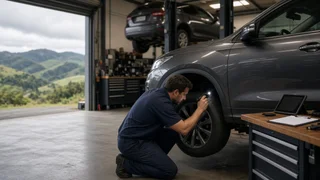
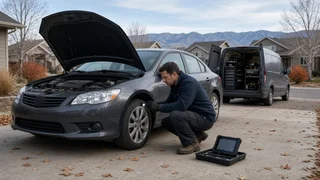
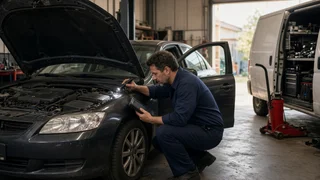
Walk-in pre-purchase vehicle inspections
The short answer
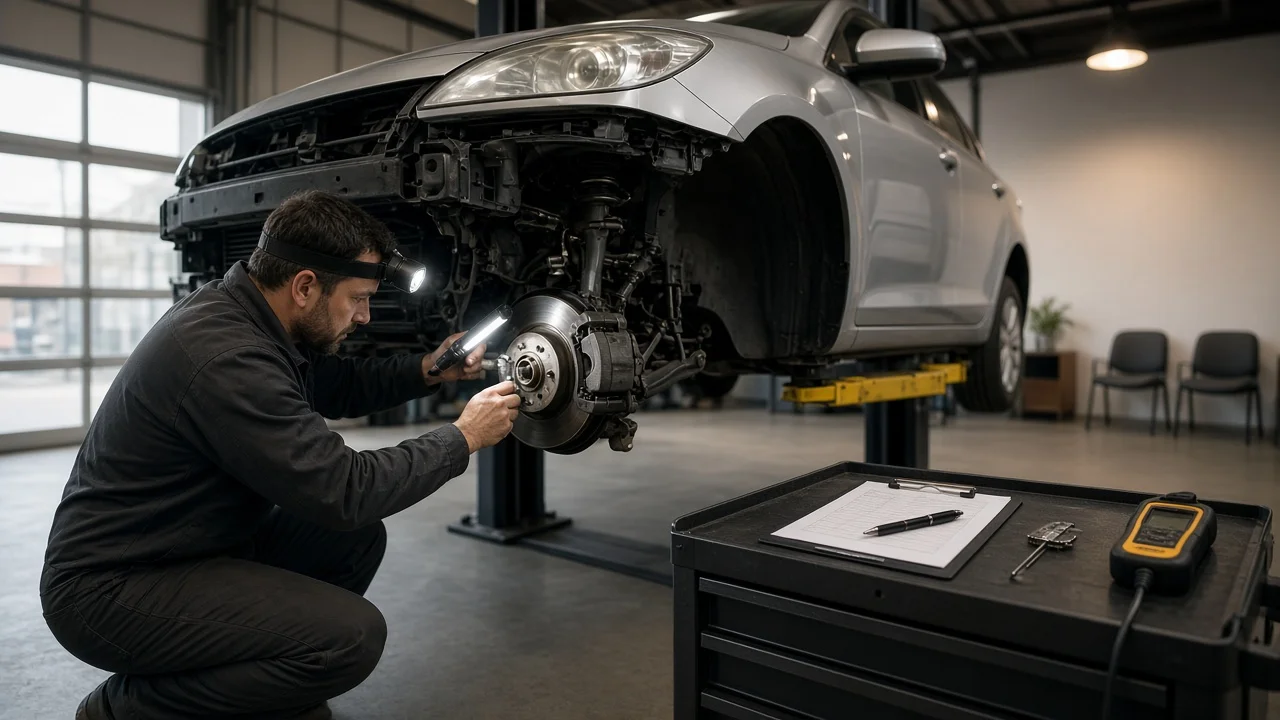
Some independent repair shops, inspection businesses and dealership service departments will look over a used car without an appointment. Many others ask you to book ahead, because a proper pre-purchase inspection ties up a technician and often a lift. The usual practice is to call first, even at a shop that advertises walk-ins, to confirm it can take the car that day and that it offers a full pre-purchase inspection rather than a quick visual check.
A few conditions change the answer. The seller has to agree to let the car go to a shop, or come along. The shop has to be able to inspect your particular vehicle. Hybrids, electric vehicles, diesels, performance models and some imports may need tools or experience a general walk-in shop does not have. The level of detail also matters: a walk-in slot is often shorter than a scheduled appointment, so the inspection may be less thorough.
In the US, "vehicle inspection" can also mean a state-required safety or emissions inspection. Those inspections check whether a car meets legal requirements on the day. They are not designed to judge whether a used car is worth buying. A pre-purchase inspection is a separate, voluntary service paid for by the buyer.
When a walk-in inspection makes sense
The seller is nearby and willing to drive the car to a shop on short notice. You are comparing several similar cars and need a fast way to rule some out. The car is a common, conventional model that most general shops service regularly. You mainly want a lift inspection, a diagnostic scan and a test drive, not a specialist assessment.
Booking a scheduled inspection, or using a specialist or mobile inspector, is usually the better choice in these cases: the car is expensive, rare or modified; it has a high-voltage battery; it has a history of accident repair; or the shop says it would only have time for a brief look.
What to confirm with the shop before you go
Whether it accepts walk-ins for pre-purchase inspections specifically, and how long the inspection takes. What the inspection includes. Typical items are a lift inspection of the underbody, suspension, brakes, tires, leaks and corrosion; an onboard diagnostic scan; and a road test. Whether you get a written or photo report, or only a verbal summary. Whether the shop works on your make, model year and powertrain, and has the right scan tools for it. What the quoted fee covers, and what costs extra. Common extras include compression or leak-down tests, battery health checks, paint-depth readings or removing panels. Whether you can be present, and whether the technician will talk you through the findings.
Understanding the cost
This article has no verified prices for walk-in inspections. Fees vary by region, shop type and vehicle, so treat any figure you see as a quote that needs checking. When comparing quotes, confirm the date of the quote, that it is in US dollars, whether tax is included, and exactly which checks it covers. A low advertised price may cover only a visual check, and the final bill can differ if the shop recommends additional tests. Agree in advance on what the shop should do if it wants to go beyond the quoted scope.
Apply the same caution to the car's price. An asking price on a listing is not the same as what similar cars actually sold for. If the inspection finds problems, get a written repair estimate and use it to negotiate from realistic figures, not guesses.
Checks that could change your decision
Most inspections turn up some wear items, such as tires, brake pads or wiper blades. Those are normal running costs. Pay closer attention to findings like the following, which can make a car a poor buy at almost any price.
Finding | Why it matters | Possible next step; Frame or structural damage, or poor accident repair | Can affect safety, alignment and resale value | Walk away, or get a body-shop assessment; Signs of flood exposure, such as silt, corrosion in unusual places or damp carpets | Can cause ongoing electrical faults | Usually walk away; Stored or pending trouble codes | Point to faults that may not show on a test drive | Ask the shop to interpret them and estimate repairs; Emissions readiness monitors reported as not ready | Often means codes were cleared or the battery was disconnected recently, which can hide faults | Ask the seller why, and re-scan after more driving if possible; Oil, coolant or transmission fluid leaks | Repair cost ranges from minor to major | Get a written estimate before negotiating; Transmission slipping, harsh shifts or warning lights | Often expensive to repair | Get a specialist opinion or walk away; Uncertain high-voltage battery condition on a hybrid or EV | Battery condition strongly affects value and range | Use a shop with the right diagnostic tools
Checks the inspection will not cover
A mechanical inspection does not verify the paperwork. Before you pay, also check these items:
Title status: whether it is clean, salvage, rebuilt or carries a lien, and whether the seller is the person named on the title. That the VIN on the car matches the title and registration. Whether there are open safety recalls for that VIN. The federal safety regulator and the manufacturer both offer recall lookups. A vehicle history report, read alongside service records the seller can provide. Whether the car will pass your state's safety or emissions inspection, if your state requires one for registration.
Limits of any pre-purchase inspection
An inspection shows the car's condition on that day, as far as the technician can see without taking components apart. It is not a warranty and cannot rule out every future failure. A shorter walk-in inspection has even narrower limits. A clean report lowers your risk; it does not remove it. Model-specific known issues depend on model year, trim and powertrain, so ask the technician directly whether there is anything they routinely check on that exact version.
Choosing your next step
Call one or two nearby shops, confirm they take walk-in pre-purchase inspections for your vehicle type, and compare what each includes and charges. Get the seller's agreement before you arrive. If the car is high-value or specialized, or the shop can only offer a quick look, book a scheduled inspection with a specialist instead. Have the paperwork checks done before you commit.