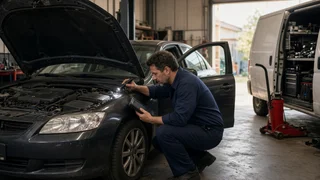
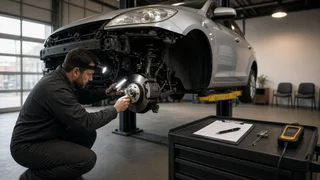
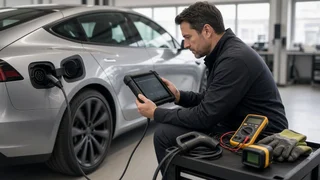
Pre-purchase vehicle inspections in Rotorua: what to check before you buy
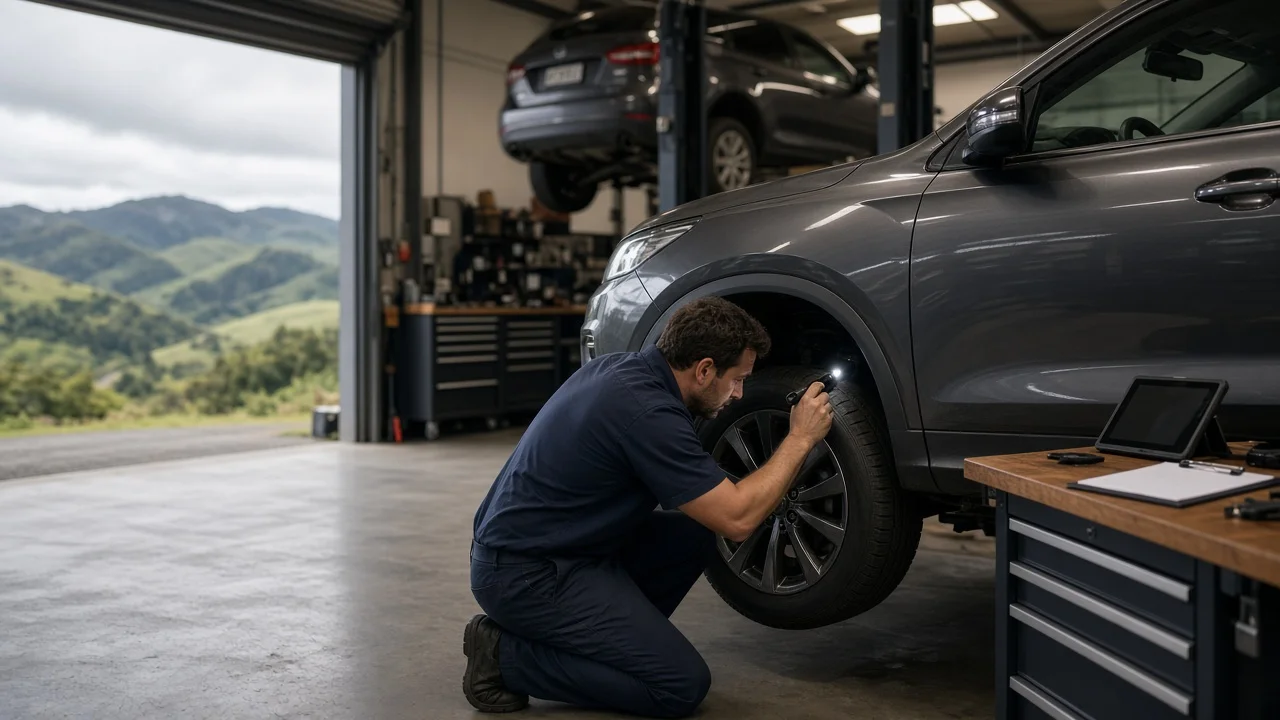
The short answer
If you are buying a used vehicle in or around Rotorua, an independent pre-purchase inspection is worth arranging before you pay or sign anything. A pre-purchase inspection is a mechanical and condition check done on your behalf by a party with no interest in the sale. Its job is to find faults that could change whether you buy, or what you are willing to pay. It should be booked with the vehicle's ownership and finance history also confirmed, because a mechanically sound vehicle can still carry legal or financial problems that an inspection will not show.
Two conditions change the answer materially. First, a current Warrant of Fitness (WoF) is not a substitute for a pre-purchase inspection: a WoF checks minimum safety standards on the day it is issued, not overall mechanical condition, wear or likely repair costs. Second, your legal protections depend on who is selling. Buying from a registered motor vehicle trader generally gives you more consumer protection than a private sale, which makes an independent inspection even more important when buying privately.
Evidence gaps in this guide
No confirmed local evidence was available for this article: there are no verified inspection prices, provider names, turnaround times, opening hours or reviews for Rotorua. Where costs are discussed below, the guide explains what to confirm rather than quoting figures. Check current prices and inclusions directly with any provider you are considering, and note the date you received the quote.
What to check when choosing an inspection provider
Independence: the inspector should have no connection to the seller or the dealer selling the vehicle. Scope in writing: ask for a list of what is and is not checked, such as engine, transmission, brakes, suspension, steering, underbody, body condition, electrical systems and a road test. Diagnostic scan: confirm whether the inspection includes reading stored fault codes from the vehicle's computer, which can reveal problems that are not obvious on a test drive. Hoist or underbody access: an inspection with the vehicle lifted can show rust, leaks and accident repairs that are hard to see from ground level. Mobile or workshop: some providers travel to the vehicle, others require it at their premises. Workshop inspections usually allow more thorough underbody checks; mobile inspections are more convenient when the seller will not move the car. Report format: ask whether you receive a written report, photos, or only a verbal summary, and how quickly it is delivered. Vehicle type: if the vehicle is a hybrid, electric vehicle, diesel, four-wheel drive, imported model or performance car, confirm the inspector is equipped and experienced for that powertrain.
Understanding inspection costs
Inspection prices vary by provider, vehicle type and inspection depth, and no verified Rotorua prices were available for this guide. When comparing quotes, confirm the currency (New Zealand dollars), whether GST is included, whether a road test and diagnostic scan are part of the price, whether there is a call-out or travel charge for mobile inspections, and whether specialist checks such as hybrid battery health or compression testing cost extra. An advertised starting price may not reflect the price for your specific vehicle.
Weigh the inspection fee against the cost of the faults it could uncover. A single significant repair, such as transmission, timing belt or rust work, can far exceed the cost of an inspection, and finding it before purchase gives you the option to negotiate or walk away.
Local considerations in the Rotorua area
Rotorua's geothermal environment produces hydrogen sulphide in the air, which is widely associated with faster corrosion of copper and some metal components, including electrical connections. For vehicles that have spent long periods in the area, it is reasonable to ask the inspector to pay attention to electrical connectors, air-conditioning components and exposed metal. Treat this as a reason to look closely, not as evidence that any particular vehicle is affected.
Vehicles used for rural, forestry, lake or unsealed-road driving may also show more underbody wear, stone damage or water exposure. Tell the inspector how the vehicle appears to have been used so they can focus on the relevant areas.
Checks that could change your purchase decision
An inspection covers physical condition. These additional checks cover the vehicle's history and legal status, and any of them can be a reason not to proceed:
Money owing: check whether the vehicle is listed as security for a debt on New Zealand's Personal Property Securities Register. If finance is owed, the lender may have a claim on the vehicle even after you buy it. Ownership and registration: confirm the seller is the registered person and that the registration details match the vehicle. Identity numbers: compare the VIN and chassis number on the vehicle with the registration documents. Odometer history: compare the displayed reading with recorded odometer readings from past WoF checks; an unexplained drop or gap is a warning sign. Stolen or written-off status: confirm the vehicle is not reported stolen and check for any record of it being written off or imported as damaged. Service records: look for a consistent history matching the odometer, and confirm whether major scheduled work, such as a timing belt replacement where applicable, has been done. WoF and registration status: note when each expires, as this affects immediate running costs.
Dealer sale versus private sale
Registered motor vehicle traders in New Zealand must display a Consumer Information Notice on vehicles they offer for sale, which includes details such as whether money is owing and whether the vehicle has been imported as damaged. Dealer sales are also generally covered by the Consumer Guarantees Act, which requires goods to be of acceptable quality. Private sales generally do not carry these guarantees, so problems discovered after purchase are usually your responsibility. An inspection is valuable in both cases, but it is the main safeguard you have in a private sale.
Using the inspection result
Separate safety-critical faults from wear items and cosmetic issues; safety faults should be resolved before the vehicle is driven regularly. Get repair quotes for significant findings so you can negotiate on documented costs rather than estimates. If faults are found, you can ask the seller to repair them before sale, reduce the price, or decline the purchase. Keep the written report with your purchase records. Remember that an inspection reflects the vehicle's condition on the day; it is not a warranty and cannot detect every intermittent fault.
Practical next step
Before arranging a viewing, ask the seller whether they will allow an independent inspection and, if needed, whether the vehicle can be taken to a workshop. A seller who refuses a reasonable inspection request is giving you useful information. Then contact two or three inspection providers, confirm their scope, report format and total price for your specific vehicle, and run the history and money-owing checks before any money changes hands.