What a pre-purchase car inspection guarantee covers
A pre-purchase car inspection guarantee is the written commitment an inspection service makes about the condition assessment performed before you buy a used vehicle. It defines what the inspector examined, how findings were documented, and what remedy exists if a covered defect was missed. Buyers often assume a general safety inspection or test certificate guarantees everything, but the actual coverage is usually narrower. Before relying on such a guarantee, you need to understand its scope, inspection criteria, vehicle identification methods, and any retest or correction terms, because those details determine whether the promise has practical value or is mostly a marketing reassurance.
Essential answer
A pre-purchase car inspection guarantee typically covers the completeness and reasonable accuracy of the inspection report, not the future reliability of the vehicle. The provider may promise that a qualified inspector checked specific systems, recorded visible defects, and followed a defined inspection criteria list. If a covered condition was present at the time of inspection and should have been found, the guarantee may offer a refund of the inspection fee or a corrected report after a retest.
The qualification that changes the answer is that such guarantees rarely cover hidden faults, intermittent problems, or deterioration after the inspection. They also do not function as a warranty on the car itself. Emissions test failures, accident damage that was concealed, or wear that emerges later may fall outside the stated coverage. Treat the guarantee as accountability for the inspection process rather than protection against all possible used-car risks.
How it works
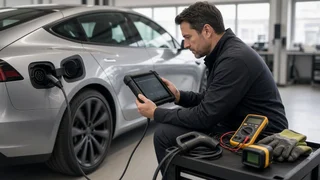
The guarantee works by tying the inspection report to a documented procedure. The inspector records vehicle identification details such as the VIN, mileage, and visible equipment, then evaluates systems against the provider's inspection criteria. Those criteria usually include structure, brakes, suspension, fluids, tires, lights, and evidence of previous repairs. The resulting report becomes the baseline for the guarantee, and the provider's obligation depends on comparing later findings to that documented condition.
In practice, the guarantee protects the buyer's decision-making window. If you rely on the report to negotiate or complete a purchase, and a later check shows the inspector overlooked a defect that was detectable during the original inspection, the provider may pay for a follow-up evaluation. Some guarantees also address emissions test readiness only when that check was explicitly ordered. The practical effect is to make the inspection service accountable for diligence, not to make the car flawless.
Strengths, limitations and suitability
The main strength is that a written guarantee encourages the inspection provider to follow a consistent method rather than give a quick visual opinion. For a private-party purchase or a vehicle located far from you, this can add useful discipline to the inspection criteria and give you a clear document to compare against the seller's description. It suits buyers who want independent evidence before committing money, especially when the vehicle has an incomplete service history.
The limitation is that the guarantee is bounded by access and time. The inspector cannot reasonably see inside sealed components, and an intermittent electrical problem may not appear during a single visit. A safety inspection checklist may not include every system that matters to you, and a test certificate for emissions does not establish overall condition. The guarantee is most suitable when you understand it as a professional screen for observable problems, not a substitute for continued maintenance or a full mechanical teardown.
Procedure
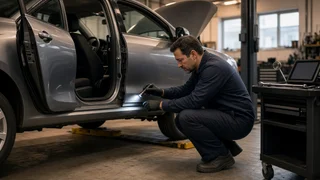
Before booking, confirm what the inspection covers and whether the guarantee includes a retest if you dispute the findings. Ask the provider to describe the inspection criteria, how the vehicle identification will be recorded, and whether the report will state limitations such as rust, underbody access, or aftermarket modifications. Have the vehicle available at a location where the inspector can safely lift or access the underside, and provide any seller disclosures you already have.
After the inspection, read the report for qualified language and excluded items. If a defect appears later, compare its location and nature with the report's scope. A new oil leak from a previously dry area may not be covered, while an obviously rusted brake line that the report described as sound may justify a correction request. Keep photos and maintenance records from the purchase period, because they help show whether the problem existed at the time of the original inspection.
Diagnosing a problem
If you discover a fault after purchase, begin by distinguishing a missed observable condition from a later failure. A tire with visible sidewall damage and an inspection report stating all tires passed may indicate the inspector did not follow the stated criteria. A check-engine light that appears weeks later could be a new emissions-related issue, and the original test certificate only confirms the vehicle's status on that date, not that no future fault would occur.
Avoid replacing parts based only on the guarantee dispute. Instead, document the symptom with photos or a second professional opinion that identifies when the defect likely began. If the problem affects safe operation, stop driving and address the mechanical issue before pursuing the inspection provider. The guarantee addresses reporting accuracy, so your next step is to compare the evidence to the exact written scope rather than assume every used-car problem falls within it.