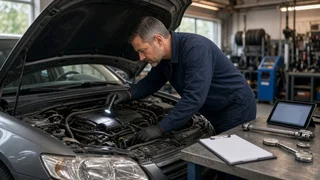
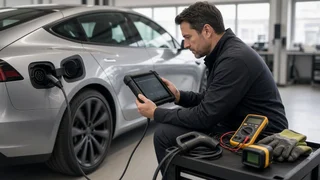
How long a pre-purchase vehicle inspection takes
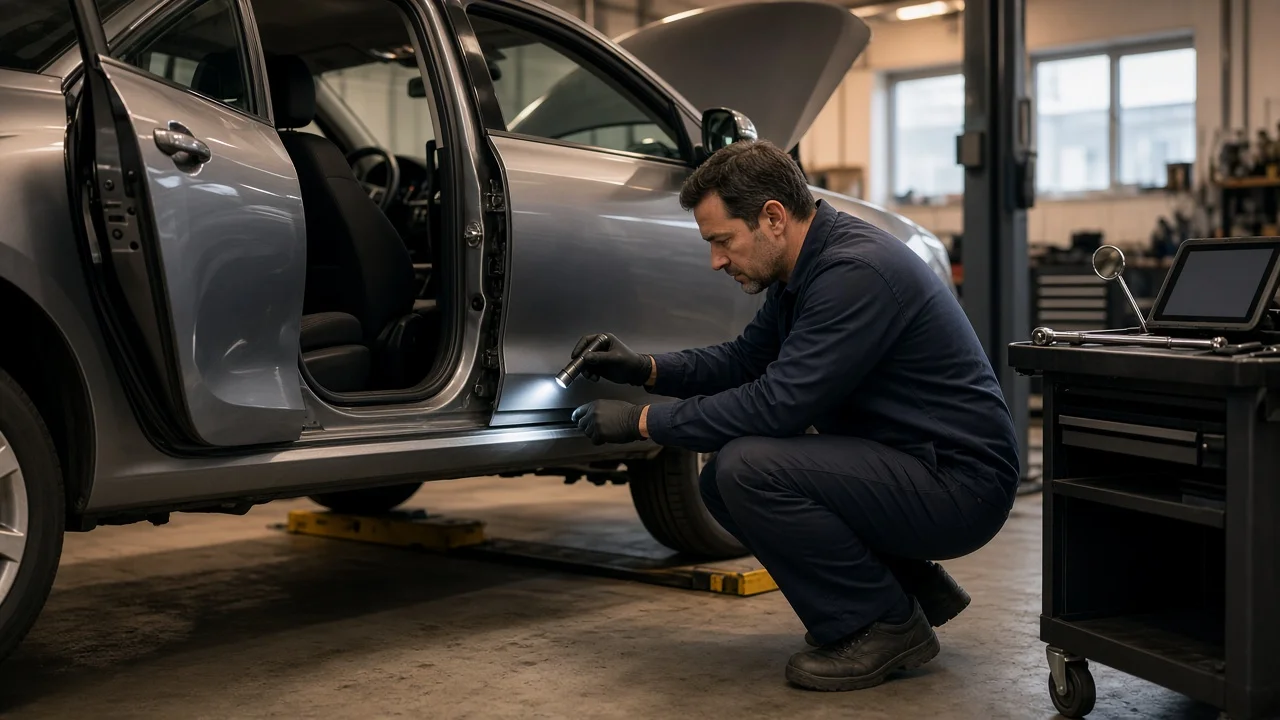
The short answer
There is no single fixed duration for a pre-purchase vehicle inspection. The time depends mainly on how thorough the inspection is, what kind of vehicle is being checked, and whether the work happens at a repair shop or at the seller's location. A basic visual check takes less time than a comprehensive inspection that includes a road test, a look underneath the vehicle on a lift and a scan of the onboard computer for stored fault codes.
No verified timing figures were available for this guide, so it does not quote a typical number of minutes or hours. The most reliable estimate comes from the inspector or inspection service you plan to use, based on the specific package and vehicle you describe to them.
What a pre-purchase inspection is and how it differs
A pre-purchase inspection is an evaluation of a used vehicle's condition, carried out before you commit to buying it. It is usually performed by an independent mechanic or inspection service with no stake in the sale, so its findings are separate from the seller's own claims about the vehicle.
It is not the same as a state safety or emissions inspection. Those inspections, where required, check whether a vehicle meets specific legal standards. A pre-purchase inspection is broader and buyer-focused: its purpose is to identify existing problems, signs of past damage or likely upcoming repair costs that could affect your decision or your negotiation.
What affects how long the inspection takes
Scope of the package: a visual walkaround is quicker than an inspection that adds a road test, lift inspection and diagnostic scan. Vehicle type and powertrain: hybrids and electric vehicles may need checks of high-voltage battery health, while diesel engines and some performance or specialty models have their own systems to examine. Age and condition: older or heavily used vehicles often present more items to investigate, and visible problems can prompt closer checks. Location: a mobile inspector working at the seller's home or dealership may have no lift and limited tools, which changes both what can be checked and how long it takes. Findings during the inspection: a leak, warning light or unusual noise may lead the inspector to spend extra time narrowing down the cause. Report preparation: some services deliver a written report with photos after the physical inspection, which adds time before you receive the results.
Inspection time versus total time
The hands-on inspection is only part of the overall timeline. Before it starts, you may need to find an available inspector, get the seller's permission and agree on where and when the vehicle will be available. If the vehicle has to be driven to a shop, travel time is added. After the inspection, there may be a wait for the written report. When planning a purchase, it helps to think about the full span from booking to receiving results, not just the time the vehicle spends being examined.
How to plan your inspection timing
Ask the inspector for a time estimate based on the exact vehicle, including model year, powertrain and mileage. Confirm what the package includes, such as a road test, lift inspection, diagnostic scan or battery check, since each affects duration. Ask how and when the report will be delivered. Arrange access with the seller in advance and make sure they understand how long the vehicle may be needed. If possible, ask the seller not to run the engine beforehand, so the inspector can observe a cold start. Leave extra time in your schedule in case the inspector finds something that needs further investigation.
Gaps in this guide
This guide does not include typical durations, prices or comparisons of specific inspection services because no confirmed figures were available. Inspection times and package contents vary between providers, so check the details directly with the service you choose before booking.