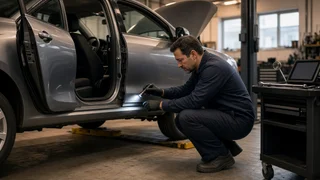
What to check in a pre-purchase car inspection contract
A pre purchase car inspection contract sets the terms for examining a used vehicle before money changes hands, and the buyer should review its scope as carefully as the car itself. The document should identify the vehicle, define what the inspector will check, and state whether the service covers mechanical systems, structure, safety inspection items, or an emissions test. Clear inspection criteria protect the buyer from paying for a vague walkaround. A sound agreement also describes the report, photographs, and any retest terms, so the result is useful rather than merely reassuring.
Essential answer
The essential content of a pre purchase car inspection contract is the defined scope of work. It must start with accurate vehicle identification, usually including the VIN, year, make, model, and odometer reading, so the report describes the actual car being considered. Without that identification, a buyer cannot reliably connect findings to the vehicle or use the document later during price discussions.
The agreement should also state what the inspector will and will not evaluate. Some contracts cover visible body damage, suspension wear, fluid condition, tire depth, and underbody rust, while others include a road test, warning light scan, safety inspection, or emissions test. A clearly bounded contract prevents the surprise of discovering after payment that major areas were excluded or that a retest requires another fee.
How it works
A pre purchase car inspection works best when the contract converts general promises into observable inspection criteria. The inspector should list the systems examined, such as brakes, steering, cooling, electrical accessories, and structural points, and record whether each is satisfactory, worn, leaking, or in need of follow-up. This structure helps the buyer compare the condition notes against the seller's description and the asking price.
The practical effect comes from documentation, not simply from an inspector's opinion. A useful agreement gives the buyer a written or digital report with photographs, defect descriptions, and a priority rating for serious concerns. A test certificate style pass or fail may be enough for a state safety inspection, but a purchase decision usually requires more nuance about deferred maintenance, previous collision repair, and items that could fail soon.
Strengths, limitations and suitability
The main strength of a well-written pre purchase car inspection contract is that it manages expectations. A buyer benefits when the document covers common used-car weaknesses, including frame alignment, oil leaks, coolant condition, brake lining thickness, suspension bushing wear, and evidence of flood exposure. These checks are especially valuable for vehicles with high mileage, northern road salt history, or multiple prior owners.
The limitation is that an inspection is observational and time-limited. It cannot guarantee future reliability, uncover every hidden defect, or measure every internal engine condition without disassembly. Buyers who want the most value should look for a contract that permits the inspector to raise the vehicle, scan for stored diagnostic evidence, and note manufacturer recalls or incomplete service history, while still understanding that no inspection removes all risk.
Procedure
Before signing, a buyer should review the practical steps the contract requires. Confirm the inspection location, whether the vehicle must be delivered or the inspector travels, and who may attend. The agreement should specify payment terms, report delivery timing, and whether the inspector can road-test the vehicle on public roads with appropriate insurance. Clearing these logistics early prevents a useful inspection from being delayed by a scheduling conflict.
The completion check is the written output. A buyer should receive a dated report that matches the vehicle identification, includes the inspector's observations and photographs, and clearly separates safety failures from cosmetic or maintenance recommendations. If the contract includes a retest clause, it should state what is rechecked after repairs and whether a partial reinspection is included or billed separately.
Diagnosing a problem
When a buyer receives an inspection report, the first task is to distinguish a failed item from a symptom that needs diagnosis. For example, a note about an intermittent misfire code or an evaporative emissions fault should lead to further testing, not an automatic conclusion that a particular sensor or catalytic converter must be replaced. The inspection identifies evidence; repair decisions require confirming the cause.
The next step is to use the findings in negotiation or withdrawal. Recurring rust near suspension mounts, brake fluid contamination, transmission flare, or mismatched body panel gaps may indicate larger expense than the seller disclosed. A buyer should ask the inspector which findings make the vehicle unsafe to drive and which are routine wear, then decide whether the contract's documented condition supports the price or justifies walking away.