Independent Pre-Purchase Vehicle Inspection Services: How to Choose One and What to Check
The short answer
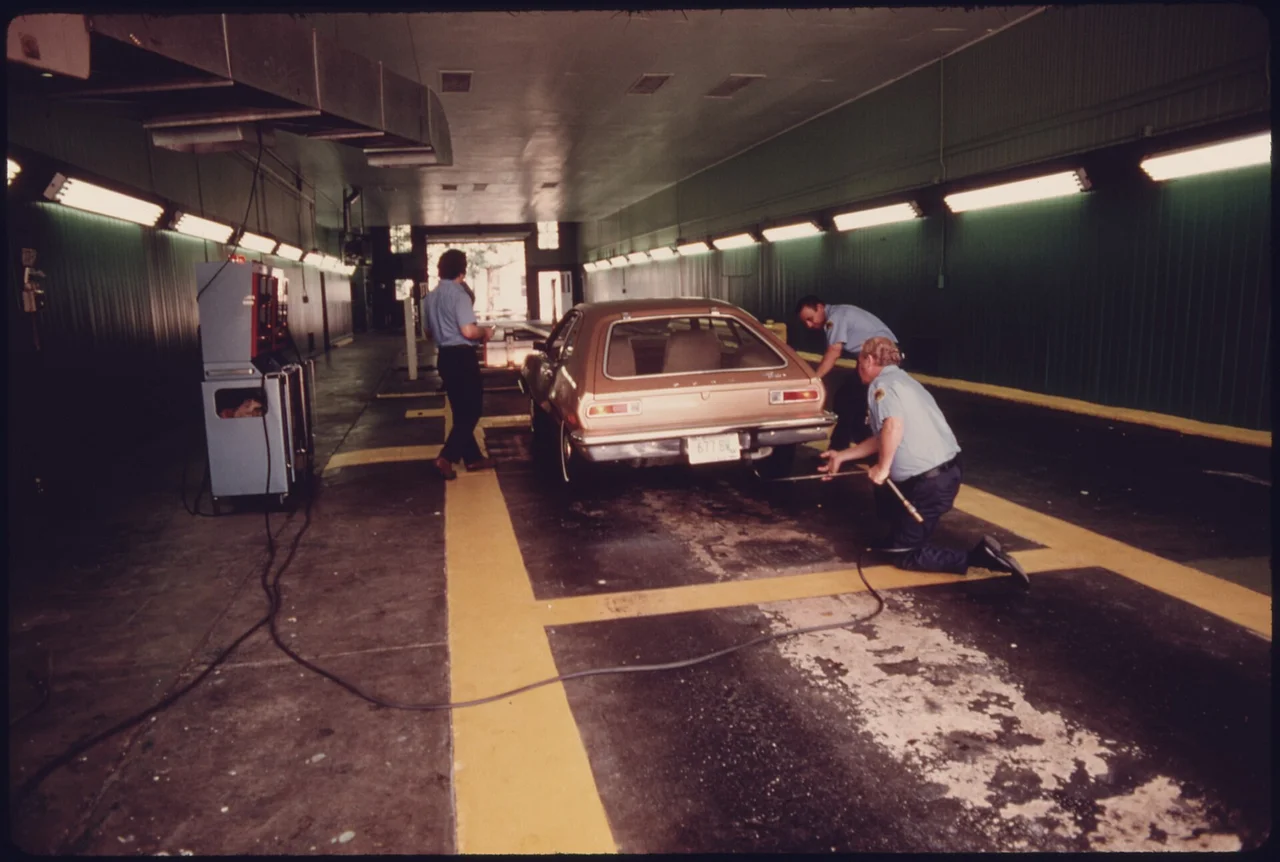
If you are about to buy a used vehicle, the service you most likely need is an independent pre-purchase inspection (often called a PPI or pre-buy inspection): a mechanic or inspection company with no stake in the sale examines the vehicle and gives you a written report on its condition before you pay. This is different from a state vehicle inspection station, which checks whether a vehicle meets legal safety or emissions requirements where those programs exist. A vehicle can pass a state test and still have problems that matter to a buyer, so if your goal is to judge whether a particular car is worth its asking price, look for a pre-purchase inspection rather than relying on a state inspection.
Two conditions change this advice. If you only need a vehicle to pass a required state safety or emissions test, a licensed state testing station is the right stop and a pre-purchase inspection is optional. If you are buying a new vehicle from a franchised dealer, a full pre-purchase inspection is usually less relevant than reviewing the delivery paperwork and checking for transport damage.
State inspection stations versus pre-purchase inspections
Feature | State inspection or testing station | Independent pre-purchase inspection; Purpose | Confirms the vehicle meets legal requirements in that state | Assesses overall condition to inform a buying decision; Who sets the checklist | State rules | The inspector, often adjustable to your request; Scope | Limited to items the state program requires | Can include mechanical, body, frame, electrical, test drive and diagnostic scan; Result | Pass or fail, sometimes with a sticker or certificate | Written report describing findings and their severity; Useful for negotiating price | Limited | Yes, findings can support a lower offer or a decision to walk away
Requirements for state safety and emissions testing vary by state, and some states have no periodic safety inspection at all. Check your state motor vehicle agency for what applies to a vehicle you plan to register.
Types of independent inspection providers
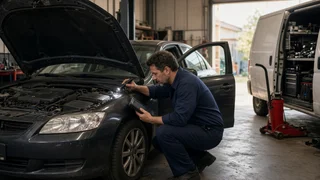
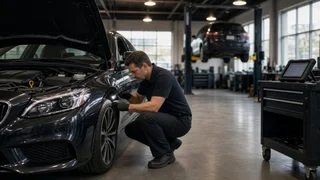
Independent repair shops: you take the vehicle to a shop with a lift and diagnostic equipment. This usually allows the most thorough underbody check. Mobile inspection services: an inspector travels to the seller's home or dealer lot. Convenient when the vehicle is far away, but most cannot lift the vehicle, which limits what they can see underneath. Brand or specialist shops: shops that focus on a particular make or on electric, hybrid, diesel or performance vehicles may know model-specific weak points and have manufacturer-level scan tools. Dealer service departments: a franchised dealer of the same brand, other than the one selling the vehicle, can access brand-specific diagnostics and service records in some cases.
What to check before choosing an inspection provider
Independence: avoid shops recommended or owned by the seller. Choose the inspector yourself and pay them directly. Relevant expertise: confirm the inspector regularly works on the make, powertrain and type of vehicle you are considering, especially for electric vehicles, hybrids, diesels or older vehicles. Equipment and location: ask whether the inspection includes a lift, a diagnostic scan tool and a road test. If a mobile inspector cannot lift the vehicle, ask how they assess the underbody. Written checklist: request a sample report or checklist in advance so you know exactly what is and is not covered. Report format: look for a written report with photos, clear severity ratings and plain explanations rather than a verbal summary only. Turnaround: ask how quickly you will receive the report, since sellers may not hold a vehicle for long. Reviews: read reviews on general review sites and map listings, focusing on detailed comments about thoroughness and communication. Treat very short or uniformly glowing reviews with caution.
What a thorough pre-purchase inspection should cover
Identity and paperwork: matching the vehicle identification number (VIN) on the vehicle to the title and registration, and noting any signs of tampering. Diagnostic scan: reading stored and pending trouble codes through the OBD-II port, the standard diagnostic connector on most vehicles sold in the US since the mid-1990s. A good inspector also checks readiness monitors, which can reveal whether codes were recently cleared. Engine and transmission: leaks, fluid condition, unusual noises, cold-start behavior where possible, and shifting quality. Underbody and frame: rust, corrosion, damage, prior repairs and leaks, ideally seen on a lift. Body and paint: signs of accident repair such as mismatched panels, uneven gaps, overspray or repainted areas. Suspension, steering and brakes: worn components, brake condition and alignment-related tire wear. Tires: tread depth, uneven wear and age markings. Electrical and interior: lights, climate control, power accessories, warning lights and infotainment. Road test: braking, steering, vibration, noises and transmission behavior under normal driving. Electric and hybrid systems: where the inspector has the right tools, a report on high-voltage battery health and charging function.
Common weak points differ by model year, trim and powertrain, even within the same model name. Tell the inspector the exact year, trim and engine or motor so they can look for known issues for that configuration. You can also check for open safety recalls by entering the VIN in the federal recall lookup run by the National Highway Traffic Safety Administration.
Understanding inspection costs
No verified pricing was available for this guide, so no figures are given here. Inspection prices depend on the region, the type of vehicle, the provider and what is included. When comparing quotes, confirm the date of the quote and exactly what the price covers, such as travel fees for mobile inspections, lift time, diagnostic scanning, a road test, photos, and specialist checks for electric or high-performance vehicles. A lower price that leaves out the diagnostic scan or underbody check may not be the better deal. Ask whether there are extra charges if the inspector finds something that needs further diagnosis.
Arranging the inspection with the seller
Ask the seller for permission before booking, and agree on where the inspection will happen. Private sellers and many dealers allow inspections, though some may ask you to use a nearby shop or have a mobile inspector come to them. If a seller refuses any independent inspection without a reasonable explanation, treat that as a warning sign and weigh it in your decision. Do not sign purchase documents or pay a nonrefundable deposit until you have the report, unless the agreement clearly makes the sale conditional on the inspection result.
Using the report to decide
Separate safety issues and major mechanical faults from routine wear items such as tires, brakes and fluids. Get repair estimates for significant findings so you can compare the asking price plus repair costs against similar vehicles. Use documented findings to negotiate a lower price or request repairs before purchase. Walk away if the inspection reveals frame damage, evidence of flood exposure, major undisclosed accident repair, or problems that would cost more to fix than the vehicle is worth to you.
Limits of any pre-purchase inspection
An inspection is a snapshot of the vehicle's condition on the day it is examined. It is not a warranty, and inspectors generally do not disassemble the engine or transmission, so internal wear and intermittent faults may not show up. Pair the inspection with a vehicle history report, the seller's service records and a check for open recalls to get a fuller picture before you buy.