Trailer Interchange Insurance: What It Covers and What to Check Before You Buy
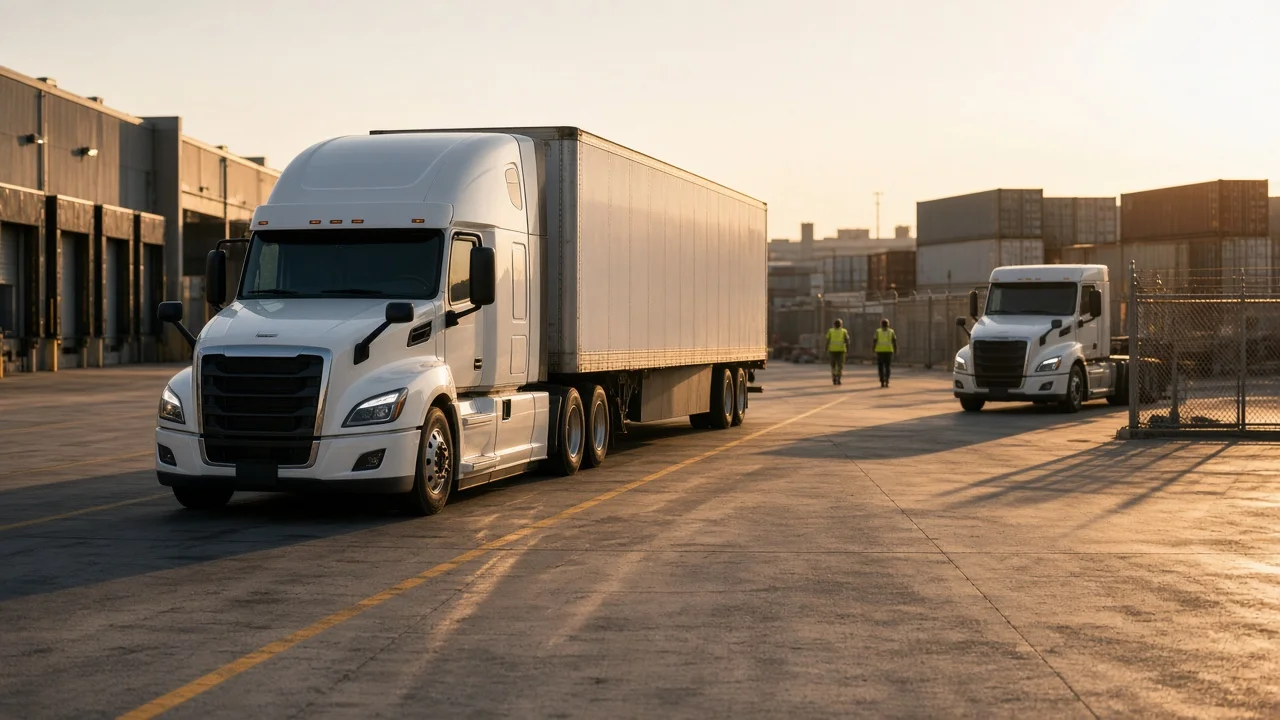
Trailer interchange insurance pays for physical damage to a trailer you don't own while it's in your possession under a written trailer interchange agreement. It's usually added to a commercial auto or motor carrier policy, not sold as a standalone product. If you regularly swap trailers with other carriers, or pull intermodal equipment under an interchange contract, this coverage usually fills a gap your liability coverage leaves open. One condition changes the answer: if there's no written interchange agreement, standard trailer interchange coverage may not respond, and you may need a different coverage such as non-owned trailer physical damage.
Why liability coverage doesn't protect the trailer you're pulling
Commercial auto liability coverage pays for injuries and property damage you cause to others. Most liability forms exclude damage to property in your care, custody or control. A trailer hitched to your tractor is in your control, so if it's damaged in a crash, fire or theft, your liability policy generally won't pay to repair or replace it. Interchange agreements typically make the receiving carrier responsible for the trailer while it's in their possession. Trailer interchange coverage is the insurance that backs that contractual responsibility.
What trailer interchange coverage typically includes
Collision coverage: damage from impact with another vehicle or object, or from an overturn. Comprehensive coverage or specified causes of loss: fire, theft, vandalism, weather and similar non-collision events. Some policies cover all non-collision causes; others cover only a named list, so check which one you have. Defense costs: many forms pay to defend you if the trailer owner sues over damage to their trailer. Loss of use: some policies pay the owner's charges for the time the trailer is out of service. This is often an optional add-on, not automatic.
How it compares with related coverages
Coverage | What it protects | When it applies; Trailer interchange | Physical damage to a non-owned trailer | While in your possession under a written interchange agreement; Non-owned trailer physical damage | Physical damage to a non-owned trailer | Varies by insurer; may apply without an interchange agreement; Physical damage on owned equipment | Your own tractor or trailer | Equipment listed on your policy; Motor truck cargo | Freight inside the trailer | Goods you haul for others; Auto liability | Other people's injuries and property | Damage you cause to third parties
Trailer interchange coverage doesn't cover the freight inside the trailer. That needs motor truck cargo insurance. It also doesn't replace liability coverage for damage the trailer causes to someone else's vehicle or property.
Who usually needs it
Motor carriers that exchange trailers with other carriers to complete a shipment. Drayage and intermodal carriers that pull containers or chassis under an equipment interchange agreement, many of which set insurance requirements for access. Owner-operators who pull trailers they don't own, especially those running under their own authority. Leased owner-operators. Your motor carrier may or may not extend its coverage to you, so read your lease agreement to see who is responsible for trailer damage.
What to check when choosing a policy
Start with your interchange agreements
Before you request quotes, read the agreements you sign or expect to sign. They often state the minimum insurance you must carry, whether coverage has to be primary, whether the trailer owner must be named on your policy, and what you owe for downtime. Your policy should meet those terms. If it doesn't, you could be personally responsible for the shortfall.
Policy limits
Limits are usually written per trailer, and some policies also cap the total for one accident or occurrence. Set the per-trailer limit at or above the value of the most expensive trailer you might pull. That could be a refrigerated or specialized unit, not a standard dry van. If you pull more than one trailer at once, check how the limit applies to combinations.
Valuation method
Find out whether losses are paid at actual cash value, which subtracts depreciation, or another basis. If your interchange agreement holds you responsible for replacement cost and your policy pays actual cash value, you would pay the difference yourself.
Deductible
The deductible is what you pay toward each covered loss before the insurer pays. A higher deductible usually lowers the premium but increases your out-of-pocket cost after a claim. Some policies have separate deductibles for collision and comprehensive losses.
Primary or excess, direct or legal liability
Some trailer interchange forms pay only when you are legally liable for the damage. Others pay for covered damage regardless of fault. Some act as primary coverage, while others pay only after another policy, such as the trailer owner's, has paid. These differences decide whether a claim is paid quickly or turns into a dispute. Ask the agent or underwriter to explain in writing which structure the policy uses.
Exclusions
Read the exclusions section closely. Exclusions commonly found on physical damage coverage include:
Wear and tear, gradual deterioration and mechanical or electrical breakdown. Tire damage that isn't part of a larger covered loss. Cargo and contents of the trailer. Trailers held without a written interchange agreement, unless the policy says otherwise. Intentional damage and certain theft situations defined by the policy.
Loss of use and towing
Many interchange agreements charge a daily rate while a damaged trailer is being repaired. If loss-of-use coverage isn't included, ask whether it's available and how its limit is set. Also check whether towing and recovery of the damaged trailer are covered.
How a claim usually works
Report the loss to your insurer promptly, along with the trailer owner's details, a copy of the interchange agreement, photos and any police or incident report. The insurer will usually inspect the trailer or review repair estimates. It then pays according to the policy's valuation method, minus your deductible, within the policy limits. Keep your own records of the trailer's condition at pickup, such as inspection reports or photos. These help separate new damage from damage that was already there.
Next steps
Collect the interchange or equipment agreements you use and note their insurance requirements. List the types and approximate values of trailers you pull so you can set an adequate per-trailer limit. Ask an agent who works with commercial trucking to quote trailer interchange coverage. Ask whether non-owned trailer physical damage would better fit loads you pull without a written agreement. Compare quotes on limits, deductible, valuation, primary or excess status, loss of use and exclusions, not on premium alone. Confirm that the final policy and any certificates of insurance match what your agreements require.