Progressive Trailer Insurance: What It Covers and What to Check Before You Buy
The short answer
Progressive is one of the US insurers that offers coverage for trailers, including travel trailers and utility or cargo trailers. Whether you need a separate trailer policy depends mainly on two things: what kind of trailer you own and whether you want protection for damage to the trailer itself, not just for damage it causes to others.
Auto policies often extend liability coverage to a trailer while it is attached to the insured tow vehicle. Liability covers injury or damage you cause to other people or their property. That extension usually does not pay to repair or replace your own trailer, protect it when it is unhooked, or cover the belongings inside a camper. Policy language and state rules vary, so confirm how your current auto policy treats trailers before you buy additional coverage.
What changes the answer
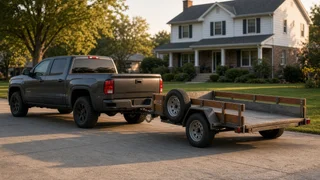
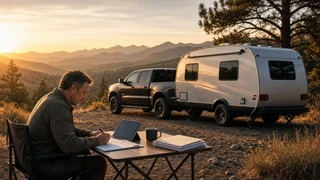
Trailer type: a small utility trailer, an enclosed cargo trailer, a boat trailer and a travel trailer used for camping carry different risks and may be insured under different policy types. How you use it: personal use is treated differently from business or commercial hauling, which may require a commercial policy. Whether you live in it: using a travel trailer as a full-time residence can affect which coverages apply and whether a standard policy fits. Where it is kept: storage location and whether the trailer sits unattached for long periods affect theft and weather exposure. Your state: required coverages, available options and policy wording differ by state, so a quote in one state may not reflect terms in another.
Coverage terms to understand
Insurers use similar names for the core building blocks of trailer coverage. Ask a Progressive representative or check your quote to see which of these are included, optional or unavailable for your trailer.
Liability: pays for injury or property damage you cause to others; check whether it comes from your auto policy, the trailer policy or both. Collision: pays for damage to your trailer from a crash, such as hitting another vehicle or object. Comprehensive: pays for non-collision damage, such as theft, fire, vandalism, falling objects, hail or flood. Personal belongings or contents: covers items kept inside a travel trailer or cargo trailer; often relevant to campers. Custom equipment or attachments: covers added parts such as awnings, racks, solar panels or upgraded electronics, which may have limits unless declared. Emergency or roadside help: may cover towing or help if the trailer breaks down; confirm whether it applies to the trailer separately from the tow vehicle. Campsite or vacation liability: for travel trailers, protects you when the trailer is parked and used as living space, a situation auto liability may not cover.
What to check before buying
Read your current auto policy to see exactly what it says about attached and detached trailers. Confirm the trailer types Progressive will insure in your state and under which policy type. Ask how the trailer will be valued after a total loss: actual cash value, which accounts for depreciation, versus agreed value or replacement options, if offered. Compare deductibles for collision and comprehensive and how they change the premium. List any aftermarket equipment and ask whether it needs to be declared separately to be covered. Ask whether coverage applies when the trailer is in storage, parked at a campsite or towed by a vehicle other than yours. If you use the trailer for work, confirm whether personal coverage excludes business use. Ask whether bundling with your auto policy changes the price or terms.
Information gaps to resolve with a quote
This article does not include prices, discount amounts, coverage limits or eligibility rules, because no confirmed figures were available. Premiums depend on factors such as the trailer's value, type, use, location and your insurance history. Get a written quote, and review the policy documents rather than marketing summaries, to confirm exact terms before you buy.
Choosing your next step
If you only tow a low-value utility trailer occasionally and your auto policy extends liability to it, you may decide that physical damage coverage is not worth the cost. If you own a travel trailer, a valuable enclosed trailer or anything you would struggle to replace, get a dedicated quote from Progressive and at least one other insurer, then compare the same coverages, limits and deductibles side by side.