Progressive Travel Trailer Insurance: What to Check Before You Buy
The short answer
Progressive is one of the US insurers that sells RV policies that can cover towable units such as travel trailers. Whether a Progressive policy suits you depends on a few things: how you use the trailer (occasional trips, seasonal storage or living in it full time), whether it is financed, and which coverage options are offered in your state. Prices, limits and optional coverages vary by state and by individual quote. This article contains no confirmed figures for any of them, so treat a written quote and the policy documents as the authority.
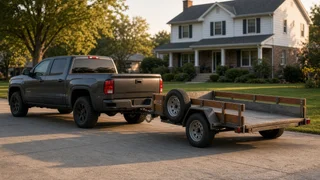
A common misunderstanding changes the answer. In many cases, the liability coverage on your tow vehicle's auto policy applies to damage or injury caused while the trailer is hitched and being towed. A separate trailer policy is mainly about protecting the trailer itself and what is inside it, plus any liability when it is parked and detached. Confirm how this works for your own auto policy and state before deciding how much trailer coverage you need.
Is travel trailer insurance required?
Requirements come from two different places, so check both:
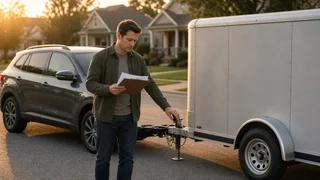
State law: Rules for towable trailers differ from the rules for motorized vehicles and vary by state. Check with your state's motor vehicle agency or ask the insurer what applies where the trailer is registered. Your lender: If the trailer is financed, the loan agreement usually requires physical damage coverage, meaning comprehensive and collision. It may also set a maximum deductible. Read the loan terms before choosing a deductible. Campgrounds and storage facilities: Some ask for proof of insurance. Ask them directly about any requirement.
Coverage types to ask about
Insurers use slightly different names, and availability differs by state and policy. Use the list below as a checklist of questions for the agent or quote tool. It does not confirm what Progressive includes in any given policy.
Coverage | What it generally means | What to confirm; Collision | Pays for damage to the trailer from a crash, including while towing | Deductible amount, and whether it applies when the tow vehicle is at fault; Comprehensive | Pays for non-collision damage such as theft, fire, storms, falling objects or animals | Whether specific weather events or water damage have separate deductibles or exclusions; Liability while parked | Covers injury or property damage linked to the trailer when it is detached, such as at a campsite | Whether it is included, optional or not offered; Personal belongings | Covers items kept inside the trailer | Limits and exclusions for electronics, tools or high-value items; Total loss or replacement options | Decides whether a totaled trailer is paid at actual cash value, purchase price or replacement cost | Which valuation method applies, and any age or ownership-time limits; Emergency or vacation expenses | Helps with lodging or transport if the trailer becomes unusable far from home | Distance requirements and payout caps; Roadside assistance | Towing or service help for the trailer | Whether it covers the trailer separately from the tow vehicle; Full-time use | Coverage designed for people who live in the trailer | Whether you qualify, and how it differs from a recreational-use policy
Two terms recur in quotes. Actual cash value means the payout reflects depreciation, so an older trailer may be worth much less than you paid. Replacement cost or purchase price options aim to pay closer to the cost of a comparable new unit or your original price, usually with conditions attached.
Details to have ready for a quote
Year, make, model and length of the trailer, plus the vehicle identification number; Purchase price and date, and whether it was bought new or used; Whether it is financed, and the lienholder's name; How you use it: occasional trips, seasonal use or full-time living; Where it is stored when not in use; Aftermarket additions such as solar panels, awnings or upgraded appliances, which may need to be listed to be covered; Your tow vehicle's insurer and liability limits
How to compare Progressive with other insurers
Get quotes with the same deductibles, limits and valuation method so the prices are actually comparable. Ask whether bundling with your auto or home policy changes the price, and compare the bundled total with buying separately. Ask whether the trailer can be insured through the same company as your tow vehicle. This can make a claim simpler when both are damaged in one incident. Read the exclusions section, especially for water damage, mold, wear and tear, and use as a rental. Check whether coverage can be reduced during storage months, and what protection stays in place if you do that. For any claim scenario that matters to you, ask the agent to confirm in writing how it would be handled.
What this article cannot confirm
No verified Progressive-specific data was available for this article. That means no premiums, discount names, coverage limits, deductible ranges, state availability, claims-handling timelines or customer satisfaction results. Get those details from a current quote, the policy declarations page and the full policy wording. Your state's insurance department can also tell you whether an insurer is licensed there and how to file a complaint if needed.
Next step
Start by finding out what your tow vehicle's auto policy already covers when the trailer is hitched, and what your lender requires. Then request a Progressive quote and at least one competing quote using identical coverage choices. Before you buy, compare the valuation method, deductibles and exclusions, not just the premium.