Progressive utility trailer insurance
The short answer
Progressive offers coverage for trailers. Whether you need a separate utility trailer policy depends on what you want protected. In US auto insurance, the liability coverage on your tow vehicle often extends to a trailer while it is hitched. Liability covers injury or damage you cause to other people or their property. That extension usually does not pay to repair or replace the trailer itself, or the items you haul in it. Protecting the trailer and its contents generally requires coverage you add on purpose.
Policy wording, state rules and Progressive's own eligibility terms decide the final answer. This article had no confirmed Progressive policy details, prices or limits to draw on. Treat what follows as the questions to settle with Progressive directly, not as a statement of what your policy includes.
Conditions that change the answer
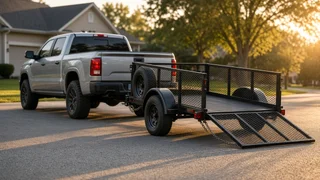
Attached or detached: An extension of auto liability typically applies only while the trailer is connected to an insured vehicle. Ask what happens if the trailer is unhitched and parked, stolen from your driveway, or rolls away. Personal or business use: Hauling for pay, or using the trailer for a business, may fall outside a personal auto policy and call for commercial coverage. Owned, financed or borrowed: A lender may require physical damage coverage on a financed trailer. A borrowed or rented trailer may be treated differently from one you own. Type of trailer: Utility trailers are usually handled differently from travel trailers, campers or toy haulers, which often have their own product with different options. Your state: Requirements and standard policy language vary by state, so the same question can have a different answer depending on where the trailer is registered.
Coverage terms worth knowing
Comprehensive: Pays for damage to the trailer from events other than a collision, such as theft, fire, vandalism or weather. Collision: Pays for damage to the trailer when it hits, or is hit by, another object or vehicle. Contents or cargo coverage: Pays for items carried in or on the trailer. A personal auto policy usually excludes these items, and homeowners or renters insurance may cover only part of their value. Deductible: The amount you pay toward a covered claim before the insurer pays the rest. A higher deductible generally lowers the premium. Agreed value versus actual cash value: Agreed value pays an amount fixed when the policy is written. Actual cash value pays the depreciated value at the time of loss, which can be well below the cost of a replacement.
What to check before you buy
Ask whether your current Progressive auto policy, or another insurer's policy, already extends liability to the trailer, and under what conditions. Confirm whether the trailer is listed on the policy, and have it added by VIN if Progressive requires that. Ask whether comprehensive and collision are available for the trailer, and how the trailer's value is set at claim time. Check whether cargo or contents coverage is offered, and what limits and exclusions apply, especially for tools, equipment or landscaping gear. Clarify how theft is handled when the trailer is unhitched, parked at home or stored off site. Tell Progressive about any business or for-hire use so the quote reflects how you actually use the trailer. Compare the deductible and premium across a few coverage combinations instead of accepting the first quote. Get the coverage confirmation in writing, through your policy documents or a declarations page, before you rely on it.
Gaps in this guide
No verified figures were available on Progressive's trailer insurance pricing, coverage limits, deductibles, discounts, eligibility rules or claims handling. This guide also does not compare Progressive with other insurers, because no supporting evidence was supplied. A Progressive quote or agent is the reliable source for those details for your state and trailer.
A sensible next step
Have your trailer's VIN, purchase price or estimated value, and a typical load list ready. Then ask Progressive two questions. First, what your existing auto policy covers when the trailer is hitched. Second, what it would cost to add protection for the trailer and its contents when the trailer is hitched, parked or stored. Those two answers show whether you already have enough coverage or need to add a trailer policy.