5th Wheel Trailer Insurance
The Short Answer
In the US, a fifth wheel usually needs its own insurance policy if you want the trailer itself protected against damage or theft. Liability for accidents that happen while you are towing often comes from the tow vehicle's auto policy, but that liability coverage generally does not pay to repair or replace the fifth wheel. Two conditions change the answer. If the trailer is financed, the lender will almost always require physical damage coverage. If you live in the fifth wheel full-time, you typically need coverage built for full-time use, because a standard recreational policy may not cover it as a primary residence.
State rules and insurer practices differ, so confirm with your own auto insurer and your state's motor vehicle agency how your tow vehicle's policy applies when a trailer is attached.
What the Tow Vehicle's Auto Policy May and May Not Cover
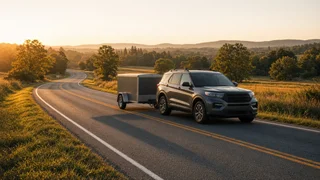
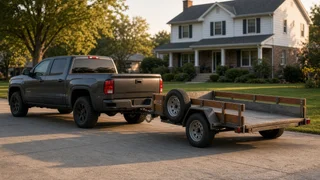
A fifth wheel has no engine, so it is treated as a towable rather than a motorhome. When it is hitched to your truck, many auto policies extend the truck's liability coverage to the combined vehicle. That covers injuries or property damage you cause to others. It does not usually cover damage to the trailer itself, theft of the trailer, damage while it is unhitched at a campsite or in storage, or the belongings inside it.
Read the trailer and towing sections of your auto policy, or ask your agent directly, before assuming any of this applies. Some policies limit or exclude certain trailer types, weights or uses.
Coverage Types Offered for Fifth Wheels
Coverage | What it generally addresses | Who should consider it; Collision | Damage to the trailer from an accident while towing or being moved | Owners who could not easily absorb a repair or replacement cost; usually required by lenders; Comprehensive | Non-collision damage such as theft, fire, vandalism, falling objects, hail and some weather events | Nearly all owners, including during storage; Personal effects or contents | Belongings kept inside the trailer | Owners who leave clothing, electronics, tools or gear aboard; Vacation or campsite liability | Injuries to others or damage you cause while the trailer is parked and used as lodging | Owners who host guests or spend extended time at campsites; Full-timer coverage | Liability and protections closer to a homeowner's policy for people who live in the RV | Anyone using the fifth wheel as a primary residence; Emergency expense | Lodging and transportation if a covered loss leaves you stranded away from home | Owners who travel long distances; Roadside assistance | Towing and service calls for the trailer | Owners whose auto roadside plan excludes or limits trailers
Not every insurer offers every item above, and names vary between companies. Treat the table as a checklist for questions rather than a description of any specific policy.
How Claims Are Valued
The valuation method determines what you are paid after a total loss, and it is one of the most important differences between policies.
Actual cash value: pays the trailer's depreciated value at the time of loss, which may be well below what you paid or what you still owe. Agreed value: you and the insurer set a value when the policy is written, and that amount is paid for a covered total loss. Replacement cost or total loss replacement: pays to replace the trailer with a comparable new or similar unit, usually only available for newer trailers and subject to conditions set by the insurer. Purchase price protection: some insurers offer to pay the original purchase price for a covered total loss within a set period of ownership.
If the trailer is financed, compare the payout method with your loan balance. Actual cash value coverage can leave a gap between the settlement and what you owe; ask whether gap or loan payoff coverage is available.
What to Check Before Buying
Confirm in writing how your tow vehicle's liability coverage applies to the fifth wheel. Decide whether you need collision, comprehensive or both, and whether a lender requires them. Choose a valuation method that fits the trailer's age and your loan balance. Check whether permanently attached items such as awnings, slide-outs, solar equipment and aftermarket upgrades are covered, and whether add-ons must be declared. Check the personal effects limit and whether high-value items need separate scheduling. Ask whether coverage continues when the trailer is parked long-term at a seasonal site or kept in storage. If you live in the trailer, disclose that and confirm the policy is written for full-time use. Review deductibles for each coverage, since a higher deductible lowers the premium but raises your out-of-pocket cost on a claim. Ask about exclusions such as wear and tear, mold, freezing damage, pests and gradual water leaks, which are commonly excluded.
Storage Season and Coverage Gaps
Some owners cancel coverage during the months the trailer is stored. That leaves it unprotected against theft, fire and storm damage, and a lapse may affect future pricing or eligibility. Many insurers allow you to reduce coverage to comprehensive only during storage instead; ask whether that option exists and how to reinstate full coverage before your next trip.
What This Guide Cannot Tell You
No verified pricing, insurer-specific terms or state-by-state requirements were available for this article, so it does not quote premiums or name carriers. Cost generally depends on factors such as the trailer's value and age, how and where it is used and stored, your location, your driving and claims history, and the coverages and deductibles you select. The reliable way to compare is to request quotes for identical coverage limits, deductibles and valuation methods from several insurers, including your current auto insurer, which may offer a multi-policy discount.
Next Step
Start by asking your auto insurer exactly what it covers when your truck tows the fifth wheel. Then use the checklist above to request quotes for the physical damage, contents and liability protections that the auto policy does not provide, and confirm any lender or full-time-use requirements before choosing.