Cargo Trailer Insurance: What It Covers and What to Check Before You Buy
The short answer
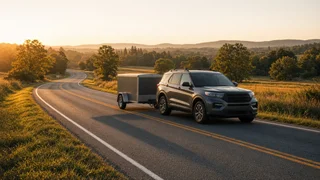
Many personal auto policies in the US extend liability coverage to a cargo trailer while it is attached to an insured vehicle. That usually means damage or injury your trailer causes to others while towing may be covered. Liability coverage generally does not pay to repair or replace the trailer itself, and an auto policy typically does not cover what you carry inside it. To protect the trailer against collision, theft, weather or vandalism, you normally need to add the trailer to your policy or buy a separate trailer policy that includes physical damage coverage.
Several conditions can change this answer: whether the trailer is used for business, whether it is financed, whether it is attached or parked when something happens, and how your specific insurer and state handle trailers. Policy wording varies, so the declarations page and policy language, or a direct question to your insurer, are the final authority.
What each type of coverage does
Trailer insurance is usually built from the same components as auto insurance. Knowing what each one covers helps you see where a gap might be.
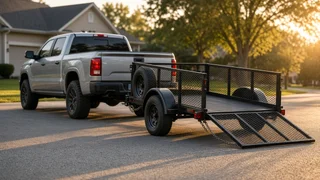
Liability: pays for injury or property damage you cause to other people. For trailers, this often follows the towing vehicle's policy while the trailer is hitched. Collision: pays to repair or replace the trailer after it hits something or overturns, minus your deductible. Comprehensive: pays for non-collision losses to the trailer, such as theft, fire, falling objects, hail, flood or vandalism, minus your deductible. Contents or cargo coverage: pays for property carried inside the trailer. This is often excluded from auto and trailer physical damage coverage and may need to come from another policy. Custom equipment coverage: pays for added shelving, ramps, racks, lighting, wiring or interior build-outs that a standard policy may not value.
Attached versus detached
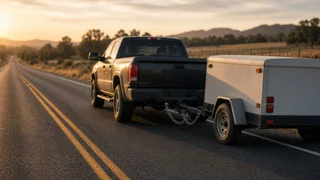
A common gap appears when the trailer is unhitched. Liability that extends from the towing vehicle may apply only while the trailer is connected to it. A trailer parked in a driveway, storage lot or job site may have no liability coverage from the auto policy, and theft of a parked trailer is covered only if the trailer has its own comprehensive coverage. If the trailer spends much of its time parked away from home, ask the insurer specifically how a loss involving a detached trailer would be handled.
Personal use versus business use
If the trailer hauls tools, inventory or equipment for a business, or is used to earn income, a personal auto policy may exclude or limit coverage. Business use generally calls for a commercial auto policy for the towing vehicle and trailer. Business property inside the trailer is often covered under separate commercial coverage, such as an inland marine or tools-and-equipment policy, rather than the auto policy. Tell the insurer how the trailer is actually used; misstating use can lead to a denied claim.
Covering what is inside the trailer
For personal belongings, such as household goods during a move or recreational gear, a homeowners or renters policy may provide some off-premises coverage for personal property. That coverage is commonly subject to limits, deductibles and exclusions, so confirm how much of your property's value would actually be reimbursed. For business cargo, look to commercial coverage as described above. If you are hauling property for someone else, determine in advance whose insurance responds if it is damaged.
Financed trailers and state requirements
If the trailer is financed, the lender will likely require collision and comprehensive coverage and may require being listed on the policy. Registration, titling and any insurance requirements for trailers are set by each state and can depend on trailer type and weight. Check with your state's motor vehicle agency, since this article does not cover state-specific rules.
Rented trailers
When renting a cargo trailer, your auto policy's liability coverage may extend to it while towing, but damage to the rental trailer itself may not be covered. Rental companies typically offer their own damage protection. Before declining it, ask your insurer whether your policy covers physical damage to a non-owned trailer.
What to check when choosing a policy
Whether liability applies only while the trailer is attached, or also while it is parked. Whether the trailer is listed on the policy with its own collision and comprehensive coverage. How the trailer would be valued after a total loss: actual cash value, which accounts for depreciation, or an agreed or stated value set when the policy is written. The deductible for trailer physical damage, and whether it differs from the towing vehicle's deductible. Whether added equipment and interior modifications are covered, and up to what limit. Whether contents are covered at all, and if not, which other policy covers them. Whether business use is permitted, excluded or requires a commercial policy. Whether coverage applies when the trailer is towed by a vehicle not listed on your policy. What lender, storage facility or contract requirements you must meet.
Information to have ready for a quote
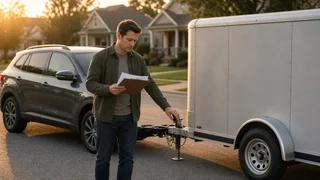
Trailer VIN, make, model year and size. Purchase documentation and the value of any added equipment. How and where the trailer is used and stored. Which vehicles will tow it. Lender information, if financed. Photos of the trailer and its interior, which can also help with a future claim.
If you need to file a claim
Report the loss to your insurer promptly. Photograph the trailer, the scene and any damaged contents. For theft or vandalism, file a police report and keep the report number. Gather proof of ownership and value for the trailer and its contents, and expect separate claims if the trailer and its contents are covered by different policies.
What this article cannot tell you
No pricing, insurer-specific terms or state-by-state rules were available for this article, so it does not estimate premiums, deductibles or required limits. Coverage for trailers differs between insurers and policy forms. Use the checklist above to compare quotes, and confirm any point that matters to you in writing with the insurer or agent before you rely on it.