Trailer Liability Insurance: What It Covers and When You Need It
The short answer
In the US, liability coverage for a trailer usually comes from the auto policy on the vehicle that tows it. Liability insurance pays for injuries to other people and damage to their property when you are legally responsible. While a trailer is hitched, it is generally treated as an extension of the tow vehicle, so many personal auto policies extend their liability coverage to it. That coverage is limited, though. It typically does not pay to repair or replace your own trailer, it may not apply once the trailer is unhitched, and commercial use is handled under different rules. Policy wording and state rules differ, so your own policy and your insurer are the final word.
What liability coverage does and does not do for a trailer
Liability coverage protects other people from harm you cause. It does not protect your own property. The distinction matters with trailers because owners often assume an attached trailer is fully insured when only third-party liability may be in force.
Usually within the scope of liability coverage while the trailer is attached: • Injuries to other drivers, passengers or pedestrians caused by the towing setup; • Damage to other vehicles or property, such as a trailer swinging into another car or striking a structure; Usually outside liability coverage: • Damage to your own trailer from a collision, theft, fire or weather; • Cargo or personal belongings carried in or on the trailer; • Damage to the tow vehicle itself, which falls under that vehicle's own collision or comprehensive coverage, if you carry it
Situations that change the answer
Several factors can narrow or remove the protection a tow vehicle's policy provides. Ask your insurer about each one that applies to you.
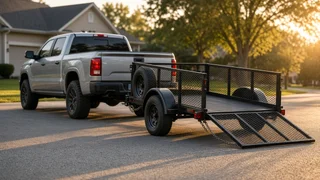
• Detached or parked trailers: Coverage tied to towing may not extend to a trailer that is unhitched, for example one that rolls away from a driveway or campsite. Some policies address this and some do not. • Trailer type: Small utility, boat and cargo trailers are often treated differently from travel trailers and fifth-wheel campers. Travel trailers are frequently insured under a separate RV or trailer policy, which can bundle liability, physical damage and contents coverage. • Business or commercial use: A personal auto policy generally excludes or limits business use. Commercial towing typically needs a commercial auto policy. Hauling another party's trailer can require specialized coverages such as trailer interchange or non-owned trailer coverage. • Rented or borrowed trailers: Rental companies may offer their own protection plans. Whether your personal policy extends to a trailer you do not own depends on its terms. • Policy exclusions and listing requirements: Some insurers require a trailer to be listed on the policy, or exclude certain trailer sizes or uses.
How it differs from other trailer coverages
Coverage | What it pays for | Typical source; Liability | Injuries and property damage you cause to others | Tow vehicle's auto policy, or a separate trailer or RV policy; Collision (physical damage) | Repairs to your trailer after a crash | Added for the trailer specifically, or included in a trailer or RV policy; Comprehensive (physical damage) | Theft, fire, vandalism, weather and similar non-collision losses to the trailer | Added for the trailer specifically, or included in a trailer or RV policy; Contents or personal effects | Belongings inside or on the trailer | Trailer or RV policy endorsement, or possibly homeowners or renters insurance, subject to its limits; Commercial coverages | Liability and physical damage for business towing, including non-owned trailers | Commercial auto or motor carrier policy
Legal requirements
Nearly every US state requires liability insurance on registered motor vehicles. Whether a trailer needs its own separate liability policy is a state-level question, as are registration and minimum limits. This guide does not include confirmed state-by-state minimums, prices or rules, so check your state's motor vehicle agency for registration requirements and your insurer for how its policy applies. Commercial operations may also face federal and state financial-responsibility rules beyond what applies to personal towing.
What to confirm before you tow
• Does my auto policy extend liability coverage to trailers I tow, and are any trailer types, sizes or uses excluded? • Does any coverage apply when the trailer is unhitched or parked? • Do I need to list the trailer on my policy? • Are my liability limits high enough, given that a towing accident can involve more vehicles and more property? • If I want my trailer protected, what would collision and comprehensive coverage for it cost? • Are the trailer's contents covered anywhere, under this policy or my homeowners or renters policy? • If I tow for business, do I need a commercial policy instead?
Information gaps
No confirmed figures were available for this guide. It does not cover premiums, state minimum liability limits, insurer-specific terms or registration thresholds. Treat the points above as general principles of how US auto and trailer insurance typically works, and confirm the details for your state, insurer and trailer.