Car Trailer Insurance
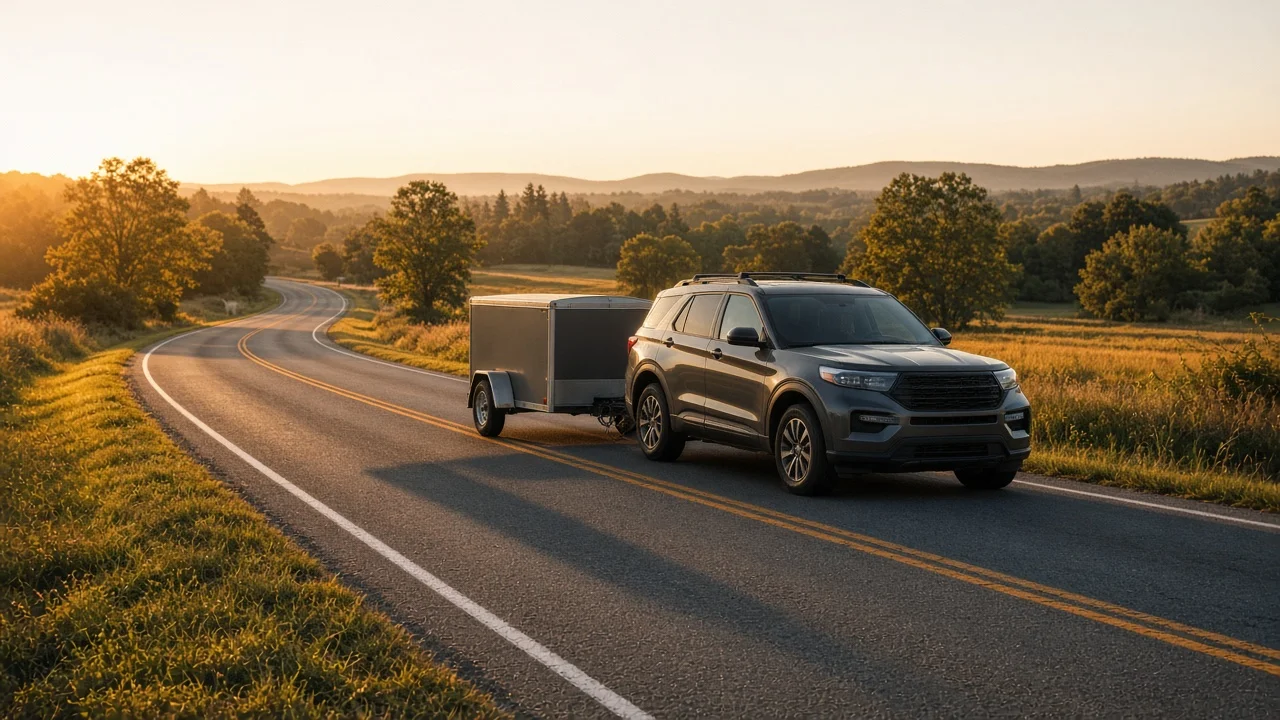
Short answer: for a car trailer you own and tow for personal use in the US, the liability coverage on your tow vehicle's auto policy often extends to the trailer while it is hitched. Liability coverage pays for injuries or property damage you cause to others. Damage to the trailer itself is usually not covered unless you add it through a separate trailer policy or an endorsement, which is an add-on to an existing policy. The vehicle you are hauling may also need attention. This answer changes if you rent or borrow the trailer, haul vehicles for pay, finance the trailer, or your policy defines "trailer" narrowly.
What your auto policy typically covers when you tow
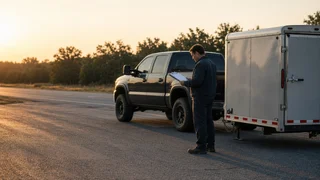
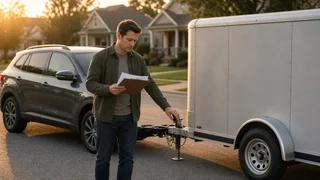
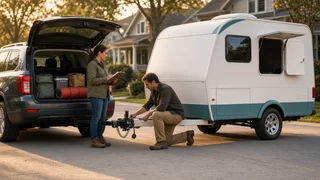
Many personal auto policies treat a trailer attached to an insured vehicle as part of that vehicle for liability purposes. If the trailer swings into another lane, detaches and strikes a car, or causes an injury while you are towing, the liability portion of your tow vehicle's policy is generally the first place to look. Policies differ in how they define a trailer, so read that definition in your policy or ask your insurer to confirm that your type of car trailer qualifies.
Coverage can also differ once the trailer is unhitched and parked. Ask whether liability still applies when the trailer is detached, such as when it is stored at home or left at a site.
What usually needs separate coverage
Physical damage to the trailer: collision coverage, which pays for damage from a crash, and comprehensive coverage, which pays for damage from events such as theft, fire, weather or vandalism, usually have to be added specifically for the trailer. The vehicle being hauled: the hauled car's own collision and comprehensive coverage may or may not respond while it is being carried as cargo. Confirm this with the insurer of that vehicle before the trip. Equipment and accessories: winches, ramps, tie-down systems and other added equipment may need to be listed or scheduled to be covered. Custom or enclosed trailers: trailers with modifications or interior build-outs may need coverage that accounts for those additions.
Situations that change the answer
Situation | What typically changes | What to confirm; You own the trailer and use it personally | Liability often extends from the tow vehicle; trailer damage needs its own coverage | Policy definition of trailer and whether physical damage can be added; You rent the trailer | Your auto policy may not cover damage to a rented trailer; the rental company may offer a damage waiver or protection plan | The rental agreement terms and what your own policy says about rented equipment; You borrow the trailer | The owner's insurance and your insurance may each play a role | Whose policy pays first, and whether the owner's coverage includes damage; You haul vehicles for pay or for a business | Personal auto policies commonly exclude business use; commercial auto coverage is usually needed, and federal or state carrier rules may apply | Whether your use counts as commercial and what coverage and registration the work requires; The trailer is financed | The lender may require physical damage coverage | Coverage types and deductible limits in the loan agreement; You use a tow dolly rather than a full car trailer | Some policies treat dollies and trailers differently | How your policy classifies the equipment
Coverage options you may be offered
Insurers that write trailer coverage, either as a standalone policy or an endorsement, may offer some combination of liability, collision, comprehensive, coverage for contents or cargo, and roadside assistance that includes the trailer. Availability and terms vary by insurer and state.
Pay attention to how a loss would be valued. Actual cash value pays the trailer's value at the time of loss, which accounts for depreciation. Agreed value pays an amount you and the insurer settle on when the policy is written, which can matter for custom or heavily equipped trailers. Not every insurer offers both.
State registration and insurance rules
Trailer registration, titling and insurance requirements are set at the state level and vary. Some states require trailers to be registered, and rules can depend on the trailer's weight or type. Whether a state mandates separate insurance for a trailer also varies. Check with your state's motor vehicle agency for the rules that apply to your trailer, and check again if you move or tow across state lines regularly.
What to check before you buy
Does my current auto policy extend liability to this trailer while it is attached, and while it is detached? How does my policy define a trailer, and does my car trailer or tow dolly fit that definition? Is physical damage to the trailer covered, and if not, can I add collision and comprehensive? Is the vehicle I haul covered while it is on the trailer, and under which policy? Are ramps, winches and other equipment covered, and do they need to be listed? Would a loss be paid at actual cash value or agreed value? What deductible applies, and is it separate from the tow vehicle's deductible? Does any of my use count as business or commercial use under the policy? If I rent or borrow a trailer, what does my policy cover and what does it exclude?
Filing a claim involving a car trailer
If an incident involves a towed trailer, report it promptly to the insurer of the tow vehicle and, if they are different, to the insurers of the trailer and the hauled vehicle, since more than one policy may apply. Document the scene, the trailer, the hitch and the cargo with photos, and keep any police report and rental or loan paperwork. Your insurers determine which policy pays first, so give each one the same complete account.
What it costs
No verified pricing information was available for this article, so no premium figures are given here. Cost generally depends on factors such as the trailer's value and type, how you use it, where it is kept, the deductible you choose and your driving record. The most reliable way to compare is to request quotes for the same coverage types and deductibles from several insurers, including your current auto insurer.
Next step
Start with your current auto policy and the questions above. If it covers only liability and you want protection for the trailer or the vehicle on it, ask your insurer about a trailer endorsement or standalone policy. If you haul vehicles for pay, ask about commercial coverage before taking on any work.